
India Stuns The World As Delhi Luxury Hotels Become Elite Diplomatic Addresses During BRICS Summit 2026
India Stuns The World As Delhi Luxury Hotels Become Elite Diplomatic Addresses During BRICS Summit 2026

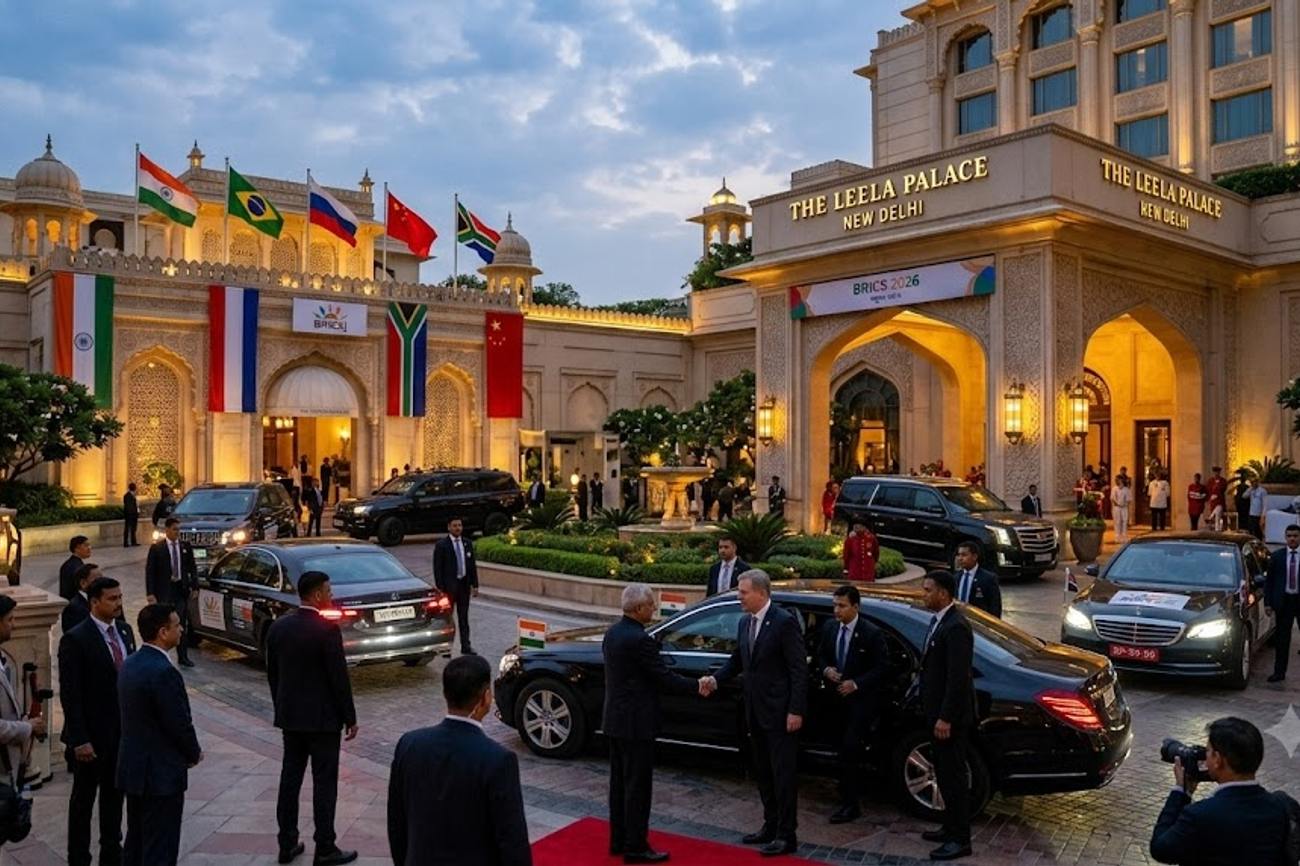
Image generated by AI
Delhi's luxury hotel capacity for high-security diplomatic events has seen a strategic pivot, with the 18th BRICS Summit on 12–13 September 2026 serving as the primary catalyst for this shift. While previous diplomatic gatherings relied on isolated government guest houses, the 2026 summit integrated the private luxury sector—specifically properties in Chanakyapuri—into the official security perimeter, effectively expanding the city's "elite diplomatic address" inventory by several thousand high-security room nights.
The BRICS 2026 Hospitality Metric: Diplomacy by Design
The 18th BRICS Summit was not merely a political assembly but a stress test for New Delhi’s premium hospitality infrastructure. The event transformed the city's five-star properties into temporary sovereign territories, requiring a synchronization of hotel operations with government security protocols. The scale of this operation underscores a broader shift in how India leverages its luxury assets to support the MICE (Meetings, Incentives, Conferences, and Exhibitions) sector.
Data from the event indicates that the hospitality requirements were bifurcated into two distinct streams: operational security and cultural diplomacy. On the operational side, hotels implemented specialized guest management systems and multi-layered security grids. On the diplomatic side, the properties functioned as brand ambassadors. For example, the Taj Mahal Hotel New Delhi utilized its culinary platform to showcase regional Indian delicacies, while The Leela Palace New Delhi integrated national symbolism through lotus-inspired menus and millet-based wellness products. The Lalit New Delhi furthered this trend by emphasizing sustainable food concepts and contemporary interpretations of heritage recipes.
This integration of luxury hospitality into national diplomacy aligns with global patterns observed by the World Travel & Tourism Council (WTTC), where the "experience economy" is now being utilized to bolster national branding during high-stakes geopolitical events.
Comparative Context: Delhi vs. Global MICE Hubs
The transition of New Delhi from a regional hub to a global diplomatic center can be measured by its ability to host "complex international gatherings." Historically, the city's MICE capability was viewed as secondary to established hubs like Singapore or Dubai. However, the 2026 summit demonstrates a leap in capacity, particularly in the coordination between luxury hotel groups and the Bharat Mandapam venue.
The following table compares the strategic focus of New Delhi's luxury sector during the BRICS 2026 window against traditional luxury hospitality benchmarks:
| Metric | Traditional Luxury Standard | BRICS 2026 Diplomatic Standard | Shift Analysis |
|---|---|---|---|
| Security Protocol | Standard concierge/private security | Multi-agency government integration | Shift to "Sovereign-Grade" security |
| Culinary Focus | International/Fusion menus | Regional heritage & symbolic cuisine | Shift to Cultural Diplomacy |
| Guest Profiling | High-net-worth individuals (HNWI) | Heads of State & Global Delegations | Shift to Diplomatic Tier |
| Amenity Strategy | Standard luxury welcome kits | Heirloom recipes & chocolate artifacts | Shift to Storytelling-based luxury |
| Infrastructure Use | Room-and-board occupancy | Temporary diplomatic headquarters | Shift to Strategic Asset usage |
When compared to historical data from previous summits, the 2026 event shows a marked increase in the use of "cultural gateways"—using specific items like hand-painted chocolate Matryoshka dolls and personalized rice grain souvenirs to create a narrative for the visiting dignitaries. This represents a sophisticated evolution in destination marketing, moving away from generic luxury toward a curated, identity-driven experience.
What This Means for Travelers
The elevation of New Delhi's luxury hotels to "elite diplomatic addresses" has direct implications for the individual traveler, particularly those in the premium and business segments. The infrastructure upgrades implemented for BRICS 2026—including enhanced security systems and specialized service training—will remain in place, raising the baseline for luxury travel in the region.
For the Business Traveler: The successful execution of the summit at Bharat Mandapam and associated hotels confirms that Delhi is now a viable alternative to traditional Asian MICE hubs. If you are planning corporate events or high-level meetings in Q3 or Q4, you can expect a higher standard of protocol-based service. However, because these hotels are now prioritized for diplomatic calendars, booking windows for luxury properties in Chanakyapuri must be extended. A lead time of 12–16 weeks is now recommended for peak diplomatic seasons to avoid "blackout" dates caused by government requisitions.
For the Luxury Tourist: The "Cultural Diplomacy" trend seen during the summit is trickling down to standard guest experiences. Travelers can now expect more curated, storytelling-based hospitality. The focus on regional diversity—such as the millet-based products at The Leela Palace—indicates a shift toward wellness and heritage-driven luxury. To experience these high-end culinary offerings, travelers should look for "heritage" or "regional" curated packages, which are becoming the new standard for Delhi's five-star tier.
According to STR, the ability of a city to host major global events typically leads to a sustained increase in Average Daily Rates (ADR) and Revenue Per Available Room (RevPAR) due to increased global visibility. Travelers should anticipate a pricing uptick in the luxury segment as Delhi's global prestige grows.
Forward Projection: The "Summit Effect" on Indian Tourism
The trajectory of New Delhi's hospitality sector suggests a move toward "Event-Driven Infrastructure." The BRICS 2026 summit has created a blueprint for how India will handle future G20-level events or international trade forums. We are likely to see a further concentration of luxury development in the diplomatic districts, with hotels investing more heavily in "secure-wing" architecture to accommodate the growing demand for diplomatic travel.
Furthermore, the data suggests a "halo effect" where delegates from the 12–13 September summit return as leisure travelers. This pattern is common in global tourism; once a destination proves it can handle the security and luxury requirements of a head of state, it gains immediate credibility with the ultra-high-net-worth (UHNW) leisure market. We project a year-over-year increase in premium leisure arrivals from BRICS nations, specifically focusing on the "food tourism" and "heritage experiences" highlighted during the summit.
The integration of sustainable food concepts, as seen at The Lalit New Delhi, also signals a long-term pivot toward ESG (Environmental, Social, and Governance) standards in Indian luxury hospitality. This will likely become a mandatory requirement for any hotel wishing to maintain its status as a diplomatic address. As the International Air Transport Association (IATA) continues to track the recovery and growth of international flight capacities into India, the synergy between increased air connectivity and elite hotel infrastructure will solidify Delhi's role as a primary global node.
FAQ: Delhi Luxury Hospitality 2026
Will luxury hotel prices in Delhi increase after the BRICS Summit? Yes. The increased global visibility and the transition to "diplomatic grade" service standards typically drive up Average Daily Rates (ADR). Expect premium pricing in the Chanakyapuri district specifically.
Is this a good time to book luxury travel to New Delhi? Yes, provided you book well in advance. The infrastructure is at a peak, but diplomatic events can cause sudden availability drops. Booking 3-4 months ahead is now the safest strategy.
Which hotels are leading the "Cultural Diplomacy" trend? The Taj Mahal Hotel, The Leela Palace, and The Lalit New Delhi are currently the benchmarks, focusing on regional Indian cuisine and heritage-based guest experiences.
How has security changed for regular luxury guests? While the extreme measures were for the summit, the overall security infrastructure in Delhi's luxury tier has been modernized, resulting in a safer, more streamlined experience for international visitors.
The intersection of sovereign security and five-star service has redefined the New Delhi skyline, turning luxury suites into the new boardrooms of global power.
Tags: NewDelhiLuxuryHospitality2026, BRICSSummit2026Data, IndiaMICETourismGrowth, ChanakyapuriHotelTrends, DiplomaticTravelMetrics
Related Travel Guides
- Discovery Saudi Targets Global Growth with Multi-Country Gulf Tours, Stronger Travel Trade Partnerships and Vision 2030
- AI Is Transforming Event Planning: Here’s How France is Utilising It To The Fullest
- Always Something New to Discover: Why Berlin is Europe’s Top Destination For Global Event Planners
Disclaimer
This article is for informational and educational purposes only. It does not constitute legal, financial, or professional advice. While we strive to provide accurate and up-to-date information, travel policies, regulations, and conditions change rapidly. Always verify information with official sources before making travel decisions. Nomad Lawyer makes no representations about the accuracy, reliability, completeness, or suitability of the information provided. Readers should consult qualified professionals for advice specific to their circumstances. The views expressed in this article are those of the author and do not necessarily reflect the views of Nomad Lawyer.
Preeti Gunjan
Contributor & Community Manager
A passionate traveller and community builder. Preeti helps grow the Nomad Lawyer community, fostering engagement and bringing the reader experience to life.
Learn more about our team →