
Saudi Arabia Hosts Hotel & Hospitality Expo Riyadh as Tourism Growth Drives New Hotel and Hospitality Demand
Saudi Arabia Hosts Hotel & Hospitality Expo Riyadh as Tourism Growth Drives New Hotel and Hospitality Demand

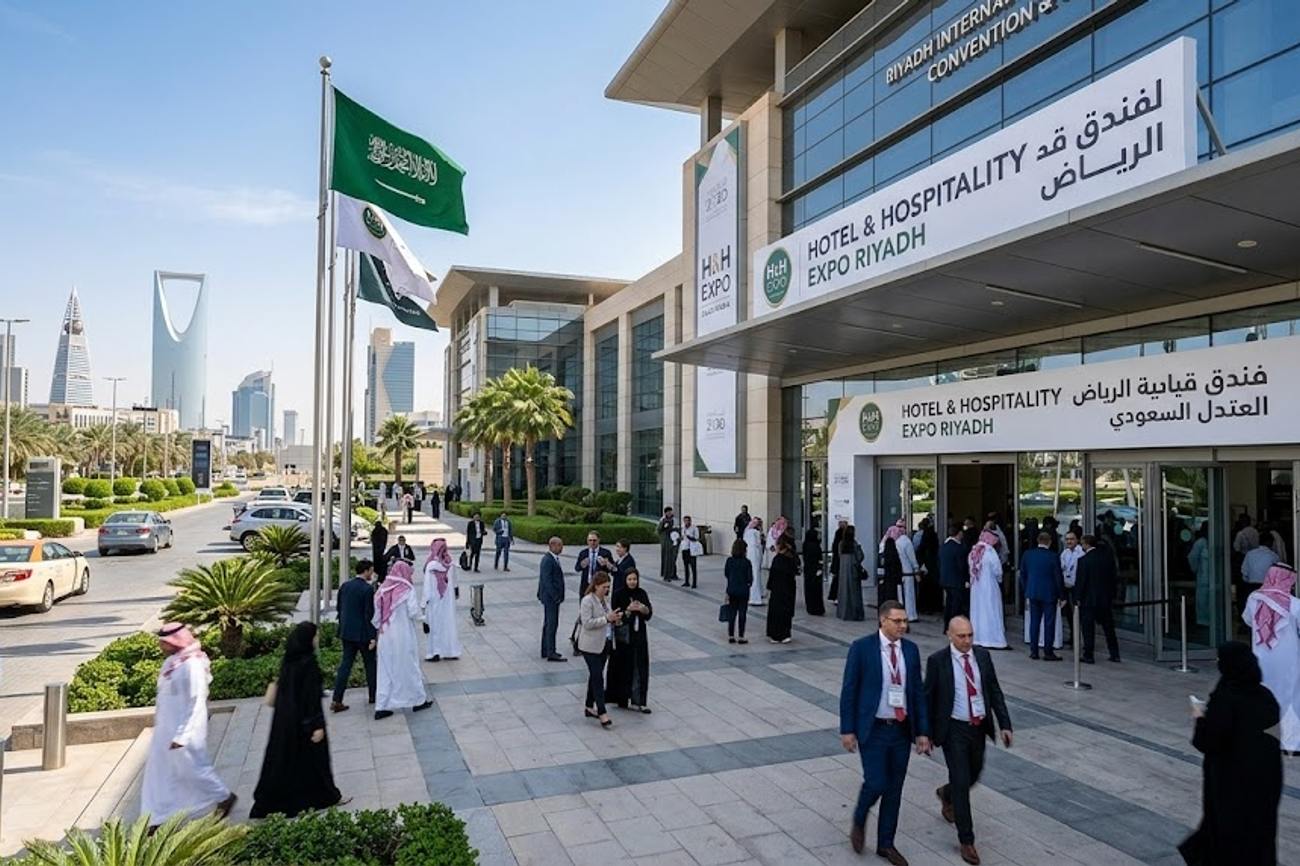
Image generated by AI
title: Riyadh's Hospitality Revolution: Beyond the Luxury Facades description: An insider's look at the massive expansion of Saudi Arabia's tourism infrastructure and the cultural shift driving the 2026 hospitality boom. date: 2024-05-22
While most visitors associate Riyadh with skyscrapers and shopping malls, the city is currently the epicenter of a logistical miracle: the Kingdom has scaled its licensed accommodation to 6,120 facilities, providing roughly 616,000 rooms to meet an unprecedented surge in global interest. This isn't just about building hotels; it is a total systemic overhaul of how the region welcomes the world, shifting from a closed society to a global tourism powerhouse in less than a decade.
The Riyadh Infrastructure Pivot
Riyadh is currently operating as a living laboratory for urban hospitality. The scale of growth is staggering, but the real story lies in the intent. The city is preparing for a future where tourism is a primary economic pillar, moving away from oil dependency. This shift is manifesting in the Hotel & Hospitality Expo Saudi Arabia, returning to the Riyadh International Convention & Exhibition Center (RICEC) from 15–17 September 2026.
What makes this specific event noteworthy is the strategic partnership with the Ministry of Tourism. This isn't a mere trade show; it is a coordination hub for the "tourism ecosystem." When you look at the data from Q1 2026, the momentum is clear: 37.2 million domestic and inbound tourists entered the Kingdom in just three months, injecting approximately SAR 82.7 billion into the economy. For a traveler or a business professional, this means the Riyadh you visit today will be fundamentally different from the one you see in six months. The city is essentially rebuilding its guest experience in real-time.
The integration of the expo with INDEX Saudi Arabia highlights a critical local trend: the fusion of interior design and operational efficiency. In the past, luxury was defined by gold leaf and oversized lobbies. Now, the focus has shifted toward "hospitality technology" and "wellness and spas," reflecting a global move toward experiential travel. The presence of specialized zones like CoffeeZone and SaudiHost indicates that the Kingdom is no longer just importing luxury brands—it is cultivating a homegrown professional class of baristas and hoteliers who are redefining Middle Eastern service.
What Makes Riyadh's Hospitality Different
To understand Riyadh, you have to understand the concept of Hafawah—the traditional Saudi art of generosity. While the new hotels are adopting international standards, the soul of the experience remains rooted in this deep-seated cultural obligation to honor the guest. This creates a unique tension and harmony between the sterile efficiency of a five-star corporate hotel and the warmth of a traditional Majlis.
The geographic uniqueness of Riyadh also plays a role. It is a city of contrasts, where the high-tech hubs of the King Abdullah Financial District (KAFD) exist alongside the raw, desert edges of the Najd region. The hospitality sector is reflecting this by diversifying. We are seeing a move toward "boutique" and "heritage" stays that prioritize local materials and architecture over the glass-and-steel aesthetic.
Furthermore, the coffee culture here is not just a beverage preference; it is a social ritual. The Saudi Arabia Barista Championship 2026, hosted within the expo, proves that coffee is the social lubricant of the new Saudi economy. From the traditional gahwa (Arabic coffee) served in small cups to the third-wave espresso movements taking over the neighborhoods of Al Olaya and Al Malaz, the "CoffeeZone" is a microcosm of the city's broader cultural evolution.
Visitor Insider Tips
Navigating Riyadh requires a different set of rules than navigating Dubai or Doha. To experience the city through a local lens, you need to move beyond the hotel concierge's recommendations.
Timing the City: The heat is the primary architect of Riyadh's rhythm. From May to September, the city sleeps during the day and awakens after 8:00 PM. If you are visiting for business or leisure, schedule your outdoor explorations for the late evening. The most vibrant energy is found in the cafes and walkways after the sun sets.
The Neighborhood Strategy: While many stay in the luxury hubs, base yourself near the Al Olaya district if you want walkability and a mix of high-end dining and local boutiques. For those seeking a more authentic, grit-and-glamour experience, explore the areas surrounding the Masmak Fortress, where the old city's architecture meets new development.
Local Etiquette: Respect is the currency of Saudi Arabia. While the dress code has relaxed significantly for tourists, modest clothing remains the standard. When entering a traditional setting or a local home, always remove your shoes. If offered coffee, accept it with your right hand—using the left is a significant social faux pas.
Transport Hacks: Ride-sharing apps like Uber and Careem are the gold standard here. Do not rely on street taxis, as pricing can be inconsistent. For those attending major events at RICEC, allow at least 45 minutes more than Google Maps suggests; Riyadh traffic is legendary and can paralyze the city during peak hours.
Culinary Must-Tries: Beyond the international menus of the 3,000 licensed hotels, seek out Kabsa (the national dish of spiced rice and meat) at local eateries. For a modern twist, visit the specialty coffee shops in the "CoffeeZone" style venues that are popping up across the city, focusing on beans sourced from the southern highlands of the Kingdom.
Cultural and Environmental Context
The rapid expansion of the hospitality sector is not without its challenges. The push toward the goals of Saudi Vision 2030 requires a massive influx of resources. The environmental cost of building 500,000+ licensed hotel rooms in a desert climate is significant, particularly regarding water scarcity and energy consumption for cooling.
However, there is a growing movement toward sustainable architecture. The integration of "surfaces and flooring" and "furniture" exhibitors at the 2026 expo suggests a shift toward materials that can withstand the harsh climate without excessive energy costs. There is also a concerted effort to preserve the cultural heritage of the Najd region. By incorporating traditional mud-brick aesthetics into modern luxury hotels, the Kingdom is attempting to prevent the "Dubai-ification" of Riyadh, ensuring that the city's identity isn't lost to generic globalization.
Tourism is also acting as a catalyst for social change. The demand for high-quality service is creating thousands of jobs for Saudi nationals, particularly women, who are entering the workforce in hospitality and management at unprecedented rates. This is a fundamental shift in the social fabric, where the "hospitality professional" is becoming a respected career path for the youth. For more on the heritage sites being preserved amidst this growth, the UNESCO World Heritage Centre provides context on the regions surrounding the capital that are being integrated into the tourism circuit.
FAQ: Visiting Riyadh 2026
What is the best time to visit Riyadh? The window from November to March is ideal. The weather is mild, making it possible to explore outdoor sites like Diriyah or the RICEC exhibitions without enduring the extreme summer heat.
Do I need a visa to enter Saudi Arabia? Most visitors can now apply for an eVisa online through the official Visit Saudi portal, which is a streamlined process for citizens of over 60 countries.
How do I get to the Riyadh International Convention & Exhibition Center (RICEC)? The most efficient way is via Uber or Careem. While the city is expanding its public transport, ride-sharing remains the most reliable method for reaching the exhibition grounds.
Is Riyadh safe for solo travelers? Yes, Riyadh is generally very safe. Solo travelers should follow local customs regarding dress and behavior, and using registered transport apps is recommended for ease of movement.
Riyadh is no longer a destination you simply pass through—it is a destination that is actively inventing itself.
#RiyadhHospitality2026 #SaudiVision2030 #VisitSaudi2026 #RICEC #SaudiCoffeeCulture #RiyadhTourism
Related Travel Guides
- Cape Town Is Redefining Global Business Travel With Stunning Venues And Unforgettable Incentive Experiences, Here’s The Update
- Visit Sarajevo Eyes Malaysia and Indonesia as Halal-Friendly Travel, History and Nature Strengthen European City Break Appeal
- Global Tourism Power Shift Is Coming as World Leaders Prepare for a Stunning Travel Industry Showdown in Malta
Disclaimer
This article is for informational and educational purposes only. It does not constitute legal, financial, or professional advice. While we strive to provide accurate and up-to-date information, travel policies, regulations, and conditions change rapidly. Always verify information with official sources before making travel decisions. Nomad Lawyer makes no representations about the accuracy, reliability, completeness, or suitability of the information provided. Readers should consult qualified professionals for advice specific to their circumstances. The views expressed in this article are those of the author and do not necessarily reflect the views of Nomad Lawyer.
Preeti Gunjan
Contributor & Community Manager
A passionate traveller and community builder. Preeti helps grow the Nomad Lawyer community, fostering engagement and bringing the reader experience to life.
Learn more about our team →