
India Startup Ecosystem Powers Tourism Growth As Emerging Regions Become New Travel Innovation Hubs
India Startup Ecosystem Powers Tourism Growth As Emerging Regions Become New Travel Innovation Hubs

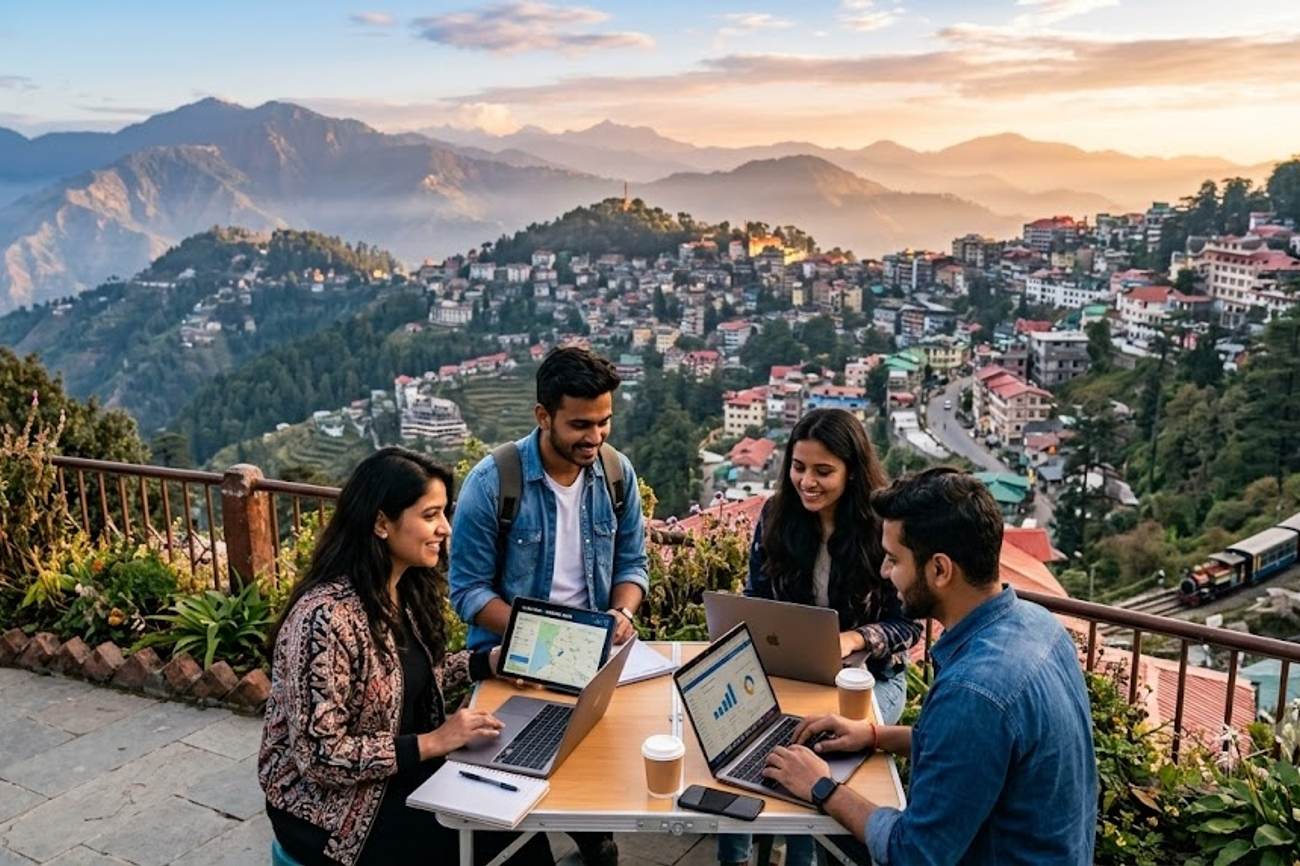
Image generated by AI
[New Delhi, October 2023] — India is experiencing a fundamental shift in its tourism geography as a surge of entrepreneurship in Tier 2 and Tier 3 cities disrupts traditional travel patterns. Data indicates that approximately 50% of startups recognized by the Department for Promotion of Industry and Internal Trade (DPIIT) now originate from these smaller urban centers, moving innovation beyond the established tech hubs of Bangalore and Hyderabad.
This entrepreneurial migration is actively dismantling the historical concentration of tourism around "Golden Triangle" destinations and coastal hubs. By deploying AI-driven discovery tools and localized booking platforms, these startups are redirecting domestic and international passenger flows toward previously invisible heritage sites, rural villages, and adventure corridors. The result is a transition from mass sightseeing toward a personalized "experience economy" fueled by digital infrastructure.
The Catalyst for Regional Dispersion
The immediate trigger for this shift is the convergence of widespread internet penetration, government-backed digitization initiatives, and a cultural pivot toward regional entrepreneurship. For decades, India's tourism revenue was sequestered in a few primary markets: Delhi, Mumbai, Goa, Rajasthan, and Kerala. However, the expansion of the startup ecosystem into the hinterlands has created a self-sustaining cycle of economic growth.
As tech incubators and digital businesses establish roots in smaller cities, they attract a new class of high-spending visitors. This includes venture capitalists, industry consultants, and skilled professionals attending regional conferences. This influx of business travel necessitates an immediate upgrade in local hospitality infrastructure, leading to the rapid development of boutique hotels, modernized transport services, and high-end dining options in cities that were previously viewed as merely administrative or residential centers.
Markets and Hubs Under Transformation
The impact is most visible in a specific set of emerging innovation hubs that are now doubling as tourism magnets. The following regions are seeing the highest correlation between startup growth and tourism expansion:
- Rajasthan & Gujarat: Jaipur is evolving from a purely historical destination into a hybrid tech-tourism hub.
- Madhya Pradesh: Indore is leveraging its entrepreneurial growth to attract business travelers.
- Kerala & Tamil Nadu: Kochi and Coimbatore are integrating tech-driven hospitality with traditional wellness tourism.
- Odisha & Assam: Bhubaneswar and Guwahati are utilizing digital platforms to open the Northeast and eastern coast to wider audiences.
- Uttar Pradesh: Lucknow is seeing a rise in specialized travel services catering to the business-leisure ("bleisure") segment.
Practical Traveler Advisory and Strategic Insights
For the modern traveler, this shift translates to a significant reduction in the "friction" of exploring non-traditional India. The corporate jargon of "digital transformation" manifests in several practical ways for someone booking a trip today:
1. Hyper-Personalized Planning: Travelers no longer rely on static brochures. AI-powered itinerary planners now offer recommendations based on niche interests—such as indigenous crafts or spiritual journeys—rather than generic tourist circuits.
2. Access to the "Invisible" Inventory: Small-scale homestay operators in remote regions, who previously lacked the marketing budget to compete with global hotel chains, are now visible on local experience marketplaces. This allows travelers to book authentic rural stays with the same ease as a city hotel.
3. Improved Local Logistics: The rise of regional tourism applications means that transport providers and local guides in Tier 3 cities are now reachable via smartphones, reducing the reliance on predatory street-side pricing and improving safety for solo and international travelers.
4. Diversified Destination Options: The "over-tourism" seen in places like Goa or Agra is being mitigated as travelers are digitally nudged toward sustainable, eco-friendly retreats and farm tourism in less-crowded provinces.
The Roadmap for Sustainable Expansion
The next phase of this evolution focuses on the integration of sustainable and community-based tourism models. Startups are increasingly prioritizing "responsible travel" to ensure that the influx of visitors does not degrade the natural and cultural assets of emerging regions.
The surge in startup-driven tourism is supported by the government's strategic focus on diversifying travel hubs beyond traditional metros. Detailed guidelines and visa policies for international entrepreneurs and tourists are managed by the Ministry of Tourism, which aims to enhance infrastructure in emerging regional circuits.
In Northeast India, for example, technology platforms are being used to scale adventure and wildlife tourism without compromising environmental integrity. By connecting local indigenous guides directly with international tourists, these platforms ensure that a higher percentage of the spend remains within the community rather than being absorbed by large-scale tour operators based in metropolitan capitals.
Furthermore, the integration of real-time destination information and automated language support tools is expected to lower the barrier for international visitors who previously avoided Tier 2 and Tier 3 cities due to perceived communication gaps or logistical complexities. As the Ministry of Tourism continues to align with digital initiatives, the synergy between the startup ecosystem and the travel sector is expected to accelerate.
FAQ: India Regional Tourism 2023
Is it safe to visit Tier 3 cities in India using startup-led platforms? Yes. Digital platforms provide transparency through user reviews and verified listings. Using recognized apps for transport and accommodation reduces the risk of scams and provides a digital trail for safety and accountability.
How do I find these "hidden" destinations mentioned in the report? Look for AI-powered itinerary planners and local experience marketplaces. These platforms specialize in "off-beat" travel and connect users with registered homestays and local guides in regions like the Northeast or central India.
Will this shift make travel to traditional hubs like Goa or Delhi more expensive? Not necessarily, but it offers a cheaper and more authentic alternative. By diversifying destinations, the pressure on traditional hubs decreases, potentially stabilizing prices and improving the quality of the experience in those areas.
What is "bleisure" travel in the context of Indian Tier 2 cities? "Bleisure" is the blending of business and leisure. As startups grow in cities like Indore or Kochi, professionals visit for work but extend their stay to explore local culture, boosting the local hospitality economy.
The map of Indian travel is being redrawn in real-time by a new generation of digital architects.
Related Travel Guides
- ANA Advances Sustainable Aviation Fuel Innovation As Green Travel Demand Accelerates Worldwide Aviation Transformation
- Saudi Arabia Riyadh Airport Travel Operations Disrupted After Fuel Tank Fire Near Capital Amid Rising Yemen Tensions
- Kenya Aligns With Rwanda and Others as Uganda Boosts Mbale Tourism With Digital Innovation Drive
Disclaimer
This article is for informational and educational purposes only. It does not constitute legal, financial, or professional advice. While we strive to provide accurate and up-to-date information, travel policies, regulations, and conditions change rapidly. Always verify information with official sources before making travel decisions. Nomad Lawyer makes no representations about the accuracy, reliability, completeness, or suitability of the information provided. Readers should consult qualified professionals for advice specific to their circumstances. The views expressed in this article are those of the author and do not necessarily reflect the views of Nomad Lawyer.
Raushan Kumar
Founder & Lead Developer
Full-stack developer with 11+ years of experience and a passionate traveller. Raushan built Nomad Lawyer from the ground up with a vision to create the best travel and law experience on the web.
Learn more about our team →