
ANA Advances Sustainable Aviation Fuel Innovation As Green Travel Demand Accelerates Worldwide Aviation Transformation
ANA Advances Sustainable Aviation Fuel Innovation As Green Travel Demand Accelerates Worldwide Aviation Transformation

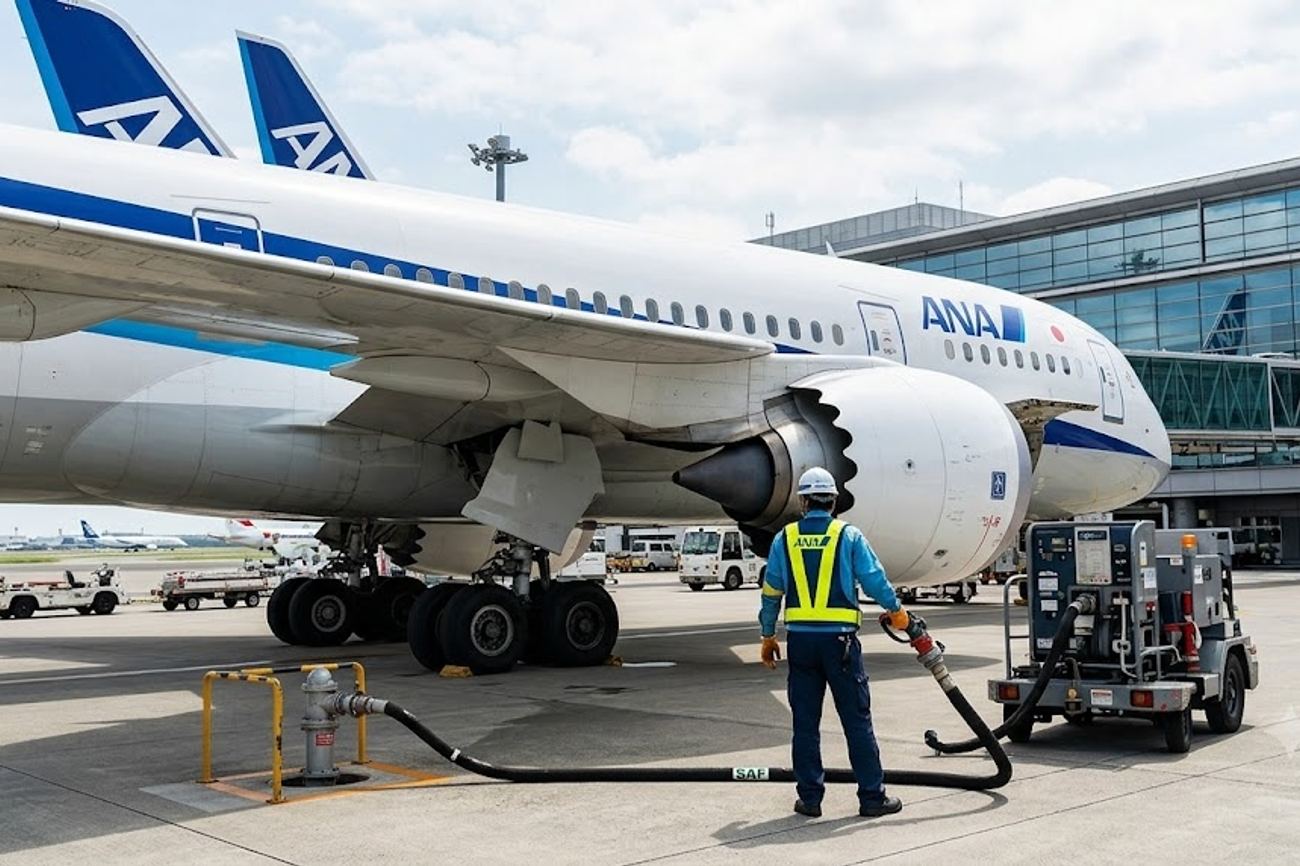
Image generated by AI
[Tokyo, October 2023] — All Nippon Airways (ANA) has formally committed to achieving net-zero carbon emissions from its aircraft operations by 2050, centering its strategy on the aggressive adoption of Sustainable Aviation Fuel (SAF).
The Japanese carrier is pivoting its operational model to balance rising global tourism demand with strict environmental mandates. This transition involves a multi-pronged approach combining fuel innovation, fleet efficiency, and passenger-facing sustainability initiatives under the "ANA Future Promise" framework. The airline is currently working to secure stable supply chains within Japan to ensure the scalability of these green initiatives.
The Push for Sustainable Aviation Fuel
The primary driver of ANA's decarbonization strategy is the transition from traditional fossil-based jet fuels to Sustainable Aviation Fuel (SAF). Unlike hydrogen or electric propulsion, which require entirely new aircraft architectures, SAF is a "drop-in" solution. This means it can be blended into existing fuel systems without requiring modifications to current aircraft engines or airport refueling infrastructure.
SAF is derived from renewable feedstocks, including used cooking oil and various organic waste materials. By utilizing these circular resources, ANA aims to significantly lower the lifecycle carbon footprint of every flight. The airline has set a concrete target to ensure that SAF accounts for at least 10% of its total jet fuel consumption by the end of fiscal year 2030.
To achieve this, ANA is collaborating with the Ministry of Land, Infrastructure, Transport and Tourism (MLIT) and other industry stakeholders to expand production capacity. The goal is to move beyond niche usage and integrate SAF into the core of its daily flight operations across its entire international and domestic network.
Impacted Operations and Targets
The shift toward net-zero affects every facet of ANA's flight operations, from fuel procurement to cabin waste management. The following table outlines the specific targets and strategic areas currently under transformation:
| Sustainability Area | Strategic Objective | Implementation Method |
|---|---|---|
| Fuel Consumption | 10% SAF by FY2030 | Replacement of conventional jet fuel with renewable feedstocks |
| Carbon Footprint | Net-Zero by 2050 | Integration of SAF, operational efficiency, and new tech |
| Fleet Management | Increased Efficiency | Advanced navigation and optimized flight planning |
| Cabin Services | Waste Reduction | Alternative materials and eco-friendly onboard services |
| Passenger Experience | Awareness | Integration of sustainability into the travel journey |
Practical Traveler Advisory and Strategic Insights
For the average passenger booking a flight with ANA, these corporate mandates translate into several tangible changes in the travel experience. While the primary shift happens in the fuel tanks, the "ANA Future Promise" program brings sustainability into the cabin.
1. Onboard Material Changes Passengers will notice a gradual shift in cabin amenities. The airline is replacing traditional single-use plastics and non-recyclable materials with environmentally designed alternatives. This includes a redesign of onboard service items to reduce the volume of waste generated per passenger.
2. The "Green" Experience ANA is attempting to gamify and visualize sustainability. A primary example is the launch of the Green Pokémon Jet, which debuted with a flight from Tokyo Haneda Airport to Honolulu at 9:55 p.m. While primarily a branding and entertainment exercise, the aircraft serves as a flagship for the airline's "innovation" strategy, blending leisure travel with the carrier's wider environmental goals.
3. Flight Efficiency Travelers may not see the "optimized flight planning" or "advanced navigation techniques" mentioned in the strategy, but these operational tweaks are designed to reduce fuel burn. In the long term, this efficiency is intended to stabilize ticket pricing against the potentially higher costs of sustainable fuels.
All Nippon Airways is scaling its integration of sustainable aviation fuel (SAF) to reduce carbon emissions across its global network. Passengers can track the airline's environmental milestones and corporate sustainability goals via the official ANA Group portal.
The Roadmap to 2050
ANA recognizes that the transition to green aviation cannot rely on a single technology. The path to 2050 is structured as a tiered rollout of efficiency and innovation.
In the immediate term, the focus remains on operational efficiency. By refining flight paths and improving fuel management, ANA is reducing the immediate carbon intensity of its current fleet. These "quick wins" provide the financial and operational headroom needed to invest in more expensive SAF procurement.
In the medium term, the airline is focusing on the supply chain. Because SAF production is currently limited globally, ANA is positioning itself as a lead partner for fuel producers to ensure that Japan becomes a hub for sustainable fuel distribution. This is critical for maintaining the airline's international connectivity without increasing its environmental liability.
In the long term, ANA is exploring "Future Aviation" solutions. While SAF is the bridge, the airline is monitoring developments in lower-carbon flight operations and next-generation aircraft technology that may eventually replace current turbine engines. This alignment with the International Air Transport Association (IATA) goals ensures that ANA remains competitive in a global market where carbon taxes and emission limits are expected to tighten.
FAQ: ANA Sustainability 2024
Will using SAF increase the price of my flight tickets? While SAF is currently more expensive to produce than conventional jet fuel, ANA is implementing operational efficiencies and fleet optimizations to offset these costs. The airline aims to integrate these fuels without significantly impacting passenger fares.
What is the Green Pokémon Jet? It is a specially themed aircraft that flies routes such as Tokyo Haneda to Honolulu. It features Pokémon-themed headrest covers, napkins, and inflight entertainment, serving as a blend of ANA's commitment to passenger experience and its innovation strategy.
How does ANA plan to reach net-zero by 2050? The strategy relies on three main pillars: increasing SAF usage to at least 10% by 2030, improving aircraft fuel efficiency through better navigation and flight planning, and reducing onboard waste through sustainable cabin materials.
Can I choose a "green" flight when booking with ANA? ANA is integrating sustainability across its entire network rather than offering isolated "green flights." Every flight under the ANA Future Promise program benefits from the airline's overarching carbon reduction and waste management strategies.
Aviation is entering a new era where the luxury of flight must be balanced with the necessity of preservation.
Related Travel Guides
- Saudi Arabia Riyadh Airport Travel Operations Disrupted After Fuel Tank Fire Near Capital Amid Rising Yemen Tensions
- Kenya Aligns With Rwanda and Others as Uganda Boosts Mbale Tourism With Digital Innovation Drive
- Germany Beats UK in Malaga Rural Tourism Boom as Autumn Holiday Demand Surges Across Spain
Disclaimer
This article is for informational and educational purposes only. It does not constitute legal, financial, or professional advice. While we strive to provide accurate and up-to-date information, travel policies, regulations, and conditions change rapidly. Always verify information with official sources before making travel decisions. Nomad Lawyer makes no representations about the accuracy, reliability, completeness, or suitability of the information provided. Readers should consult qualified professionals for advice specific to their circumstances. The views expressed in this article are those of the author and do not necessarily reflect the views of Nomad Lawyer.
Kunal K Choudhary
Co-Founder & Contributor
A passionate traveller and tech enthusiast. Kunal contributes to the vision and growth of Nomad Lawyer, bringing fresh perspectives and driving the community forward.
Learn more about our team →