
India Launches First Sindhu Kumbh in Leh to Fuel Ladakh's Spiritual Tourism Expansion and Eco-Cultural Himalayan Revival: What Every Traveller Must Know
The first-ever Sindhu Kumbh has opened in Leh, Ladakh, driving a massive surge in India's spiritual tourism and sustainable Himalayan travel in June 2026.

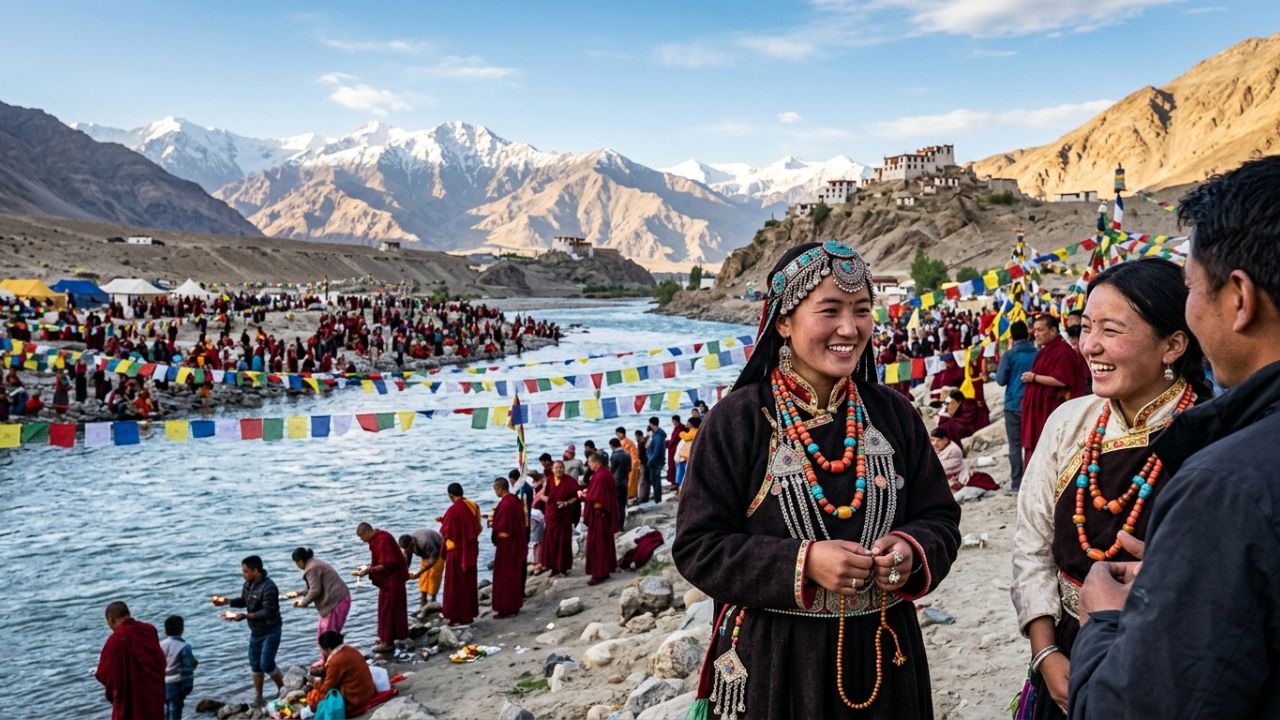
Image generated by AI
Published on June 24, 2026
A powerful cultural and pilgrimage surge has commenced in the high-altitude Himalayan region as India's first-ever Sindhu Kumbh officially opens in Leh. Held alongside the 30th Sindhu Darshan Yatra from June 24 to June 27, 2026, the five-day gathering is expected to accelerate spiritual tourism and eco-cultural revival across Ladakh. Travelers heading to this high-altitude desert destination are urged to prepare for regulated visitor movement, eco-friendly logistics, and altitude acclimatization: New Travel Alert.
Quick Summary
- First-Ever Spiritual Gathering: The inaugurating Sindhu Kumbh has officially opened in Leh, Ladakh, running alongside the landmark 30th Sindhu Darshan Yatra.
- Five-Day Celebrations: The religious festival runs from June 24 to June 27, 2026, drawing pilgrims, scholars, and wellness tourists from around the world.
- High-Level Attendance: The opening rituals were inaugurated by Union Minister Nimuben Jayantibhai Bambhaniya and attended by Lieutenant Governor Vinai Kumar Saxena.
- Global Visitor Footprint: Registered attendees include travelers from India, Asia, Europe, the Americas, and the international spiritual diaspora.
- Ecological Preservation Rules: Local authorities have prioritized waste management, regulated visitor flows, and eco-friendly infrastructure to protect the fragile desert ecosystem.
The launch of the Sindhu Kumbh in Leh is organized by the Sindhu Darshan Yatra Samiti as a strategic step to integrate heritage preservation with regional economic development. With global interest in wellness travel, meditation retreats, and Himalayan pilgrimage increasing, Indian tourism coordinators are focusing on spiritual tourism to diversify the local economy. By utilizing the historical significance of the Sindhu (Indus) River, the event establishes a structured platform for regional development in the high-altitude desert.
Context and Background: Acclimatizing and Planning for the Himalayan Pilgrimage
Historically celebrated for its remote mountain passes and ancient monasteries, Ladakh is enhancing its visitor economy by combining spiritual traditions with sustainable travel. The creation of the first Sindhu Kumbh serves as a structured approach to draw international delegates and domestic pilgrims to Leh's historic sites. Because the region features a fragile desert environment at high altitudes, coordinating large-scale gatherings requires strict management guidelines to prevent ecological harm.
This cultural initiative aligns with broader efforts to improve regional connectivity and support the livelihoods of local communities. As global interest in high-altitude meditation and eco-friendly travel grows, establishing Leh as a secure spiritual hub is essential. This strategy helps local transportation providers, accommodation networks, and artisan guilds maintain stable business operations during peak festival windows.
Event and Incident Details: Inaugurating Leh's First Sindhu Kumbh
The inaugurating Sindhu Kumbh represents a major cultural milestone for Ladakh's high-altitude tourism corridor. Spanning a five-day program until June 27, 2026, the gathering brings together thousands of devotees to participate in traditional rituals, ceremonial chants, and artistic performances along the Sindhu River bank. The event's opening ceremony featured Union Minister Nimuben Jayantibhai Bambhaniya participating in civic and religious rituals, alongside Lieutenant Governor Vinai Kumar Saxena, who highlighted the festival's role in restructuring the region's global travel profile.
To outline the operational logistics and significance of the event, the table below provides a structured overview of the festival:
| Event Parameter | Details & Figures | Strategic Relevance to Ladakh Region |
|---|---|---|
| Festival Name | First-Ever Sindhu Kumbh | Establishes Leh as a global hub for eco-spiritual and pilgrimage travel |
| Coordinated Event | 30th Sindhu Darshan Yatra | Integrates traditional pilgrimage routes with modern tourism systems |
| Duration & Dates | Five days (June 24 – June 27, 2026) | Creates a concentrated window of high visitor arrivals and economic activity |
| Inaugural Dignitaries | Minister N. J. Bambhaniya & LG V. K. Saxena | Highlights government-backed support for high-altitude tourism development |
| Target Locations | Sindhu River banks, Leh, Ladakh | Reimagines historically significant waterways as symbols of cultural unity |
The festival has drawn a diverse demographic of travelers, including domestic pilgrims from multiple Indian states, wellness seekers from neighboring Asian countries, cultural researchers from Europe, and adventure enthusiasts from the Americas. This wide footprint has significantly boosted local businesses in Leh, including lodging providers, transport operators, handicraft artisans, and food services, who are witnessing high demand during the peak festival window.
Risk and Impact: Challenges of High-Altitude Spiritual Tourism in Ladakh
Hosting a large-scale gathering in a remote, high-altitude desert brings specific operational risks and ecological hazards that travelers must prepare for:
- Altitude Sickness (AMS): Flying directly into Leh (altitude ~11,500 feet) presents health risks, requiring mandatory rest days to acclimatize before participating in rituals.
- Ecological Pressure on Riparian Zones: Large crowds along the Sindhu River banks can cause soil erosion, waste accumulation, and water pollution in a fragile ecosystem.
- Logistical Capacity Constraints: High visitor volumes put stress on Leh's limited hospitality infrastructure, leading to hotel room and transport shortages.
- Extreme Weather Vulnerability: Himalayan regions are subject to sudden temperature drops and intense solar radiation, requiring specialized gear.
- Waste Management Strain: Disposing of plastic and organic waste in remote high-altitude zones demands highly coordinated collection systems.
By managing these risks through structured visitor permits and environmental protocols, the local administration seeks to minimize disruptions and protect the high-altitude landscape.
What Authorities Are Saying About Ladakh's Spiritual Tourism Boom
Government representatives and local administrators emphasize that sustainable practices must guide all tourism activities in the Himalayan valleys. Union Minister Nimuben Jayantibhai Bambhaniya highlighted that reviving spiritual heritage must go hand-in-hand with environmental responsibility. She remarked that the Sindhu Kumbh serves as a model for how ancient traditions can align with modern ecological conservation.
Additionally, Lieutenant Governor Vinai Kumar Saxena stressed that local authorities have prioritized waste management and regulated visitor movement to shield the delicate riparian zones. Administrators recommend that travelers coordinate with authorized operators, carry reusable water containers, and strictly respect local conservation guidelines to protect the pristine beauty of Leh and its surroundings.
Practical Traveler Advice: Safety and Planning for Leh Visitors
For pilgrims and adventure travelers planning to attend the Sindhu Kumbh in Leh, experts recommend the following safety and planning tips:
- Acclimatize for 48 Hours: Rest completely upon arriving in Leh to avoid Acute Mountain Sickness (AMS) before participating in festival activities.
- Pre-Register for the Yatra: Secure permit verifications and register with the Sindhu Darshan Yatra Samiti to access river-bank ritual zones safely.
- Carry Reusable Water Containers: Support local conservation by avoiding single-use plastics in the fragile Himalayan desert ecosystem.
- Book Lodging and Transport Early: Coordinate with certified local operators through the UT Ladakh Tourism portal to secure reservations during peak event days.
- Pack for Extreme Temperatures: Bring layers to handle cold nights and high-altitude solar exposure, along with sunscreen and UV-protection sunglasses.
Broader Context: Connecting Culture, Waterways, and Regional Livelihoods
The development of the Sindhu River region as a major pilgrimage site highlights the intersection of cultural heritage and environmental conservation in the Himalayas. The Sindhu (Indus) River holds deep significance in Indian civilization, serving as a symbol of historical identity and unity. By introducing the first-ever Sindhu Kumbh, local planners are building a modern travel framework that supports eco-spiritual exploration. This strategy helps diversify Ladakh's economy beyond seasonal adventure trekking, creating sustainable livelihoods for local communities.
Additionally, partnering with national organizations like the Incredible India tourism campaign helps elevate the valley's global visibility. Linking spiritual tourism with regional craft development ensures that artisan guilds can access broader markets. This integrated strategy supports high-altitude economies while preserving the unique customs and natural landmarks of the Western Himalayas.
What to Expect Next / Looking Ahead: The Growth of Eco-Friendly Himalayan Circuits
As the Sindhu Kumbh continues through June 27, 2026, local coordinators plan to expand waste management programs and refine traffic systems for future editions. Authorities will monitor the environmental footprint of the gathering, analyzing water quality and regional resource use to improve sustainable travel frameworks. The success of this inaugural event is expected to pave the way for closer integration between Himalayan spiritual circuits and global wellness travel networks in the coming years.
In the long term, local departments plan to install permanent solar-powered facilities and eco-friendly toilets along key yatra routes. Travelers can anticipate more digital-first permit systems that speed up security checks at regional border crossings. As these systems expand, the UT administration will continue to run environmental awareness training for local guides and hospitality workers.
Conclusion: Balancing Cultural Revival and Environmental Stewardship
The opening of the first Sindhu Kumbh in Leh represents a major shift in India's high-altitude travel sector. By blending ancient spiritual traditions with modern eco-friendly frameworks, the festival establishes a sustainable model for heritage tourism. Travelers who prioritize health preparedness, ecological respect, and early booking will find a unique and deeply immersive experience in Ladakh's pristine mountains.
Related Travel Guides
- JetBlue Vacations Launches Specialized Theme Park Experts to Assist Travelers with Orlando Holiday Bundles Near Disney and Universal Resorts: What Every Traveller Must Know
- Maryland Ignites Nighttime Heritage Travel Across Seven Historic Cities, Transforming Annapolis, Baltimore, and Chestertown with Immersive Mid-Century Illumination: New Travel Alert
- The 10 Best Spiritual Destinations in India, According to Reddit
FAQ: Sindhu Kumbh Leh and Ladakh Spiritual Tourism
What is the Sindhu Kumbh in Leh, Ladakh?
The festival is a landmark spiritual and cultural gathering held along the Sindhu River, organized alongside the 30th Sindhu Darshan Yatra to promote pilgrimage and eco-spiritual travel.
When does the first-ever Sindhu Kumbh take place?
The inaugural five-day festival officially began on June 24, 2026, and runs through June 27, 2026.
Which authorities inaugurated the Leh festival?
The opening ceremonies were attended by Union Minister Nimuben Jayantibhai Bambhaniya and Lieutenant Governor Vinai Kumar Saxena, who highlighted its role in regional development.
What are the main health risks for travelers visiting Leh?
The primary risk is Acute Mountain Sickness (AMS) due to Leh's high altitude (~11,500 feet). Acclimatizing for at least 48 hours is mandatory for all arriving travelers.
What ecological measures are in place to protect the Indus River area?
Local administrations have set up waste collection systems, regulated guest movements along riparian zones, and banned single-use plastics to protect the fragile desert environment.
Disclaimer
This article is for informational and educational purposes only. It does not constitute legal, financial, or professional advice. While we strive to provide accurate and up-to-date information, travel policies, regulations, and conditions change rapidly. Always verify information with official sources before making travel decisions. Nomad Lawyer makes no representations about the accuracy, reliability, completeness, or suitability of the information provided. Readers should consult qualified professionals for advice specific to their circumstances. The views expressed in this article are those of the author and do not necessarily reflect the views of Nomad Lawyer.
Kunal K Choudhary
Co-Founder & Contributor
A passionate traveller and tech enthusiast. Kunal contributes to the vision and growth of Nomad Lawyer, bringing fresh perspectives and driving the community forward.
Learn more about our team →