
India Safe Travel 2026: Essential Security Updates for Solo Travelers
India safe travel requirements shift in March 2026 as regional security updates affect millions of annual visitors. Learn critical tips for solo travelers and families navigating petty crime, women's safety, and regional risk variations.

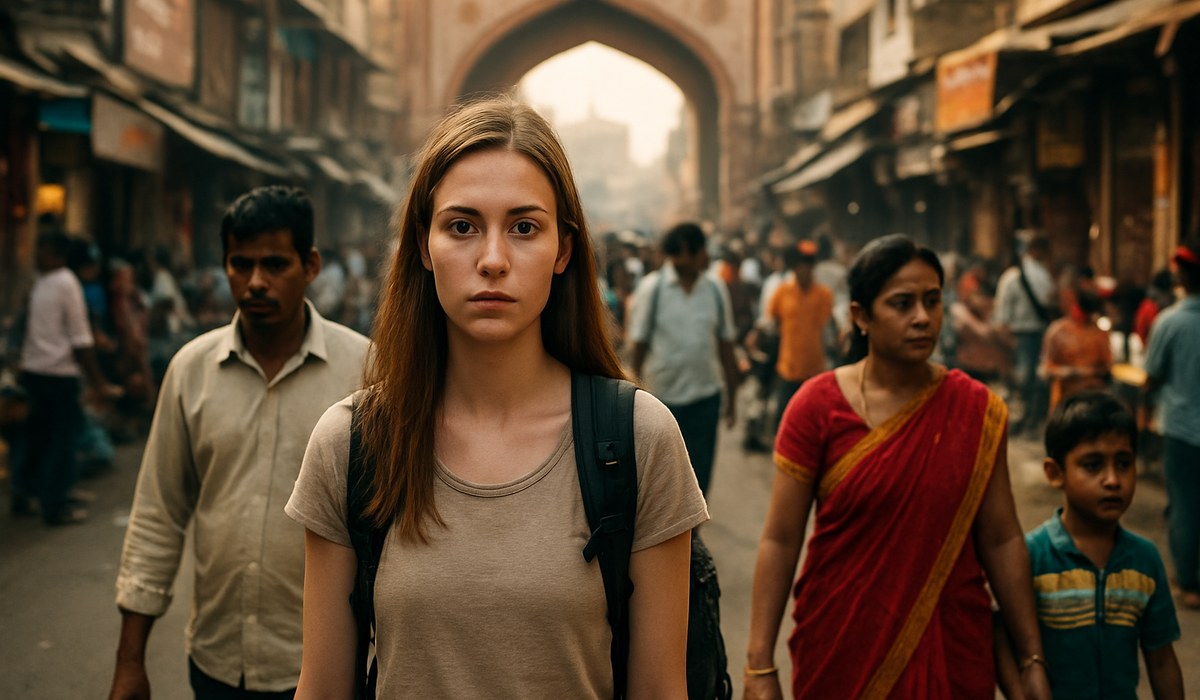
Image generated by AI
India's Safety Landscape Requires Region-Specific Planning in 2026
India remains Asia's most visited destination, welcoming 50+ million annual visitors despite persistent safety concerns in 2026. Millions complete their journeys without serious incident, yet travelers must understand distinct regional risks—petty theft, harassment, traffic accidents, and isolated security threats—before departing. The honest answer: India rewards prepared travelers but punishes the complacent. Success depends entirely on which region you choose and how thoroughly you prepare.
Current Government Advisories Shape India Safe Travel Planning
Government travel advisories confirm that India safe travel remains feasible for most visitors, provided they exercise heightened caution in designated areas. The U.S. State Department, UK Foreign Office, and Australian Department of Foreign Affairs each maintain region-specific recommendations rather than blanket country warnings. Northern megacities like Delhi and certain Uttar Pradesh districts warrant extra vigilance, while southern Kerala and Goa receive standard precautions. Travelers should consult official government advisories before finalizing itineraries, particularly for border zones or politically sensitive regions. Updated recommendations shift quarterly based on security incidents.
Petty Crime and Scams: The Most Common Traveler Threats
Pickpocketing at crowded Delhi train stations and bag snatching in Mumbai markets rank as the most frequently reported crimes against foreign visitors. Petty theft peaks during festival seasons when platforms swell with seasonal crowds. Common scams include inflated autorickshaw fares (₹500 instead of ₹150), fake ticket vendors near Jaipur's central station, and unofficial "guides" steering solo travelers to commission-based shops in Rajasthan. Thieves target unattended backpacks on overnight buses, especially Bangalore to Goa routes. Solo travelers report losing phones, passports, and cash when distracted in crowded markets. Using hotel safes, wearing crossbody bags, and employing licensed radio taxis rather than hailed vehicles cuts risk substantially. The National Crime Records Bureau India publishes annual statistics confirming theft comprises 60% of foreigner-targeted crimes.
Women's Safety Requires Destination Selection and Boundary Setting
Women travelers encounter persistent sexual harassment in crowded urban centers, on public transport, and in isolated neighborhoods after sunset. Unwanted staring, photography without consent, and groping on Delhi buses and Mumbai local trains occur regularly, though violent assault remains statistically rare for foreign visitors. Regional variation matters significantly: Kerala reports substantially fewer harassment incidents than Delhi or Lucknow according to local law enforcement data. Solo women should avoid traveling alone after 9 p.m., use registered Uber or Ola rather than street hails, and dress conservatively in religious sites and smaller towns. Consider booking female-led tour companies specializing in women's safety. Your personal boundaries matter—firm "no" responses to unwanted advances deter many casual harassers effectively.
Road Safety Demands Strategic Route Selection and Transport Choices
India's National Highway Authority reports 150,000+ annual road deaths, with high-speed accidents on intercity routes claiming tourist lives yearly. Overnight buses on poorly maintained highways present elevated risks from fatigued drivers, overloaded vehicles, and animals crossing dark roads. The Mumbai-Pune expressway and Delhi-Agra highway experience frequent accidents during monsoon season when visibility drops. Instead of overnight journeys, book afternoon departures or domestic flights on Air India or IndiGo, which maintain stricter safety protocols. Demand seatbelts, avoid buses marked "sleeper class," and confirm vehicles have functioning headlights before departure. Hiring private drivers through Airbnb or hotel concierges costs ₹2,500-4,000 daily but eliminates reckless bus operators entirely. The risk calculation shifts dramatically when you control transport reliability.
Regional Safety Variations: Which Areas Demand Extra Caution
Jammu and Kashmir remains under enhanced alert status following 2025 security incidents that killed four tourists near Pahalgam. Northern border districts and the Kashmir Valley warrant checking weekly advisories before booking hotels. Conversely, Goa's beach towns, Kerala's backwaters, and Bengaluru's tech corridors receive positive safety ratings from independent traveler platforms. Himachal Pradesh hill stations attract families because local police maintain strong visible presence. Mumbai and Bangalore have developed dedicated tourist police units operating from major airports and markets. Smaller towns in Rajasthan like Udaipur and Jodhpur offer superior safety for solo travelers compared with Delhi's chaotic central districts. Map your specific neighborhoods using Google Street View before booking accommodations. Isolation correlates directly with vulnerability.
Terrorism Risk Assessment: Context and Practical Precautions
Sporadic terrorism incidents at religious sites, political gatherings, and crowded markets create legitimate concern, though absolute risk remains low relative to India's 1.4+ billion population. The 2024 Delhi temple attack and 2025 Pahalgam incident affected foreign visitors, generating headlines disproportionate to statistical probability. Avoiding large religious festivals during peak pilgrimage seasons (Kumbh Mela, Diwali crowds), staying away from political rallies, and skipping high-profile temple complexes during festive periods reduces exposure. Intelligence agencies coordinate with hotel chains, particularly five-star properties in Delhi and Mumbai, which employ security screening for guests. Smaller family-run guesthouses lack these protocols entirely. Monitor UK Foreign Office advisories weekly during your stay for incident updates in specific districts you plan visiting.
Data Summary: India Travel Risk Comparison 2026
| Risk Category | Incident Frequency | Traveler Type Most Affected | Mitigation Strategy |
|---|---|---|---|
| Petty Theft | 1 in 200 visitors | Solo backpackers | Hotel safes, crossbody bags, avoided markets after dusk |
| Sexual Harassment | 1 in 50 women travelers | Female travelers alone on transport | Pre-booked transport, conservative dress, firmness |
| Road Accidents | 1 in 500 journey segments | Long-distance bus travelers | Paid flights, private drivers, daytime travel |
| Violent Crime (foreign visitors) | 1 in 5,000+ visitors | Wrong neighborhood, night isolation | Accommodation proximity to tourist zones |
| Terrorism-Related Incidents | 1 in 10,000,000+ visitors | Major pilgrimage sites, rallies | Avoid peak festival periods, monitor advisories |
| Health Emergencies (traveler diarrhea) | 1 in 3 visitors | First-time travelers | Bottled water, reputable restaurants, travel insurance |
What This Means for Travelers in March 2026
Solo travelers should adopt three concrete strategies immediately. First, select your destination based on regional safety ratings—Kerala and Goa outrank Delhi and Lucknow for independent visitors. Second, establish personal boundaries before departure: acceptable solo travel hours, transport types, and neighborhood limits. Third, secure comprehensive travel insurance including medical evacuation coverage, which costs ₹2,000-5,000 for two weeks but covers emergency flights from remote areas.
Families benefit from structured itineraries that minimize unplanned exposure. Book guided tours through established operators rather than hiring strangers. Schedule hotel check-ins by 5 p.m. to eliminate night navigation. Choose major cities with dedicated tourist police—Delhi, Mumbai, Bangalore, Goa—over smaller towns where English-speaking police may be unavailable.
All travelers must download offline maps, register with embassy services via Smart Traveler platforms, and photograph passport pages separately. Avoid displaying expensive jewelry, cameras, or phones in crowded spaces. Use hotel lockers for passports; carry only certified copies. These practices sound cautious, but they represent the difference between smooth travel and preventable crises in India's fast-paced environments.
Frequently Asked Questions About India Safe Travel
Is India safe travel possible for women traveling solo in 2026? Yes, thousands of women solo travelers visit India annually without serious incident. Success requires careful destination selection (Kerala, Goa, Himachal Pradesh over Delhi), avoiding evening transport, booking female-led tours, and maintaining firm personal boundaries. Regional variation matters significantly—women report substantially better experiences in southern states compared with northern metropolises.
What are the most common safety issues affecting India safe travel for families? Petty theft, food-related illness, and road accidents pose the greatest risks for families. Countermeasures include using hotel safes, eating only at reputable restaurants, drinking bottled water exclusively, and choosing domestic flights over overnight buses. Families with young children benefit from shorter itineraries (7-10 days) focusing on established tourist destinations rather than remote regions.
How do I verify current India safe travel conditions before booking my trip? Consult official government advisories updated monthly: U.S. State Department, UK Foreign Office, and Australian Department of Foreign Affairs each maintain detailed regional assessments. Join traveler forums like TripAdvisor and Reddit's r/solotravel for real-time incident reports from visitors currently in-country. Contact your hotel's management directly asking about neighborhood safety in their specific district.
Which Indian cities offer the safest environments for independent travelers in 2026? Kochi, Bengaluru, Goa's beach towns, and Udaipur consistently receive positive safety ratings from independent platforms and government reports. These destinations offer established tourist infrastructure, visible police presence, reliable transport, and lower-crime neighborhoods. Conversely, isolated villages and border districts warrant enhanced caution regardless of region. Major cities like Delhi and Mumbai remain manageable with heightened vigilance and structured daily routines.
Related Travel Guides
Solo Female Travel in Southeast Asia: Safety Planning Beyond India
Domestic Flight Safety in India: Which Airlines Meet International Standards
COVID-Era Health Insurance for Asian Travel: Coverage Gaps Travelers Miss
Disclaimer
Disclaimer
This article is for informational and educational purposes only. It does not constitute legal, financial, or professional advice. While we strive to provide accurate and up-to-date information, travel policies, regulations, and conditions change rapidly. Always verify information with official sources before making travel decisions. Nomad Lawyer makes no representations about the accuracy, reliability, completeness, or suitability of the information provided. Readers should consult qualified professionals for advice specific to their circumstances. The views expressed in this article are those of the author and do not necessarily reflect the views of Nomad Lawyer.
Preeti Gunjan
Contributor & Community Manager
A passionate traveller and community builder. Preeti helps grow the Nomad Lawyer community, fostering engagement and bringing the reader experience to life.
Learn more about our team →