
India Hospitality Sector Enters a Transformative Phase as HAI Conclave Reveals Future Strategies for Sustainable Tourism Growth by 2047
India Hospitality Sector Enters a Transformative Phase as HAI Conclave Reveals Future Strategies for Sustainable Tourism Growth by 2047

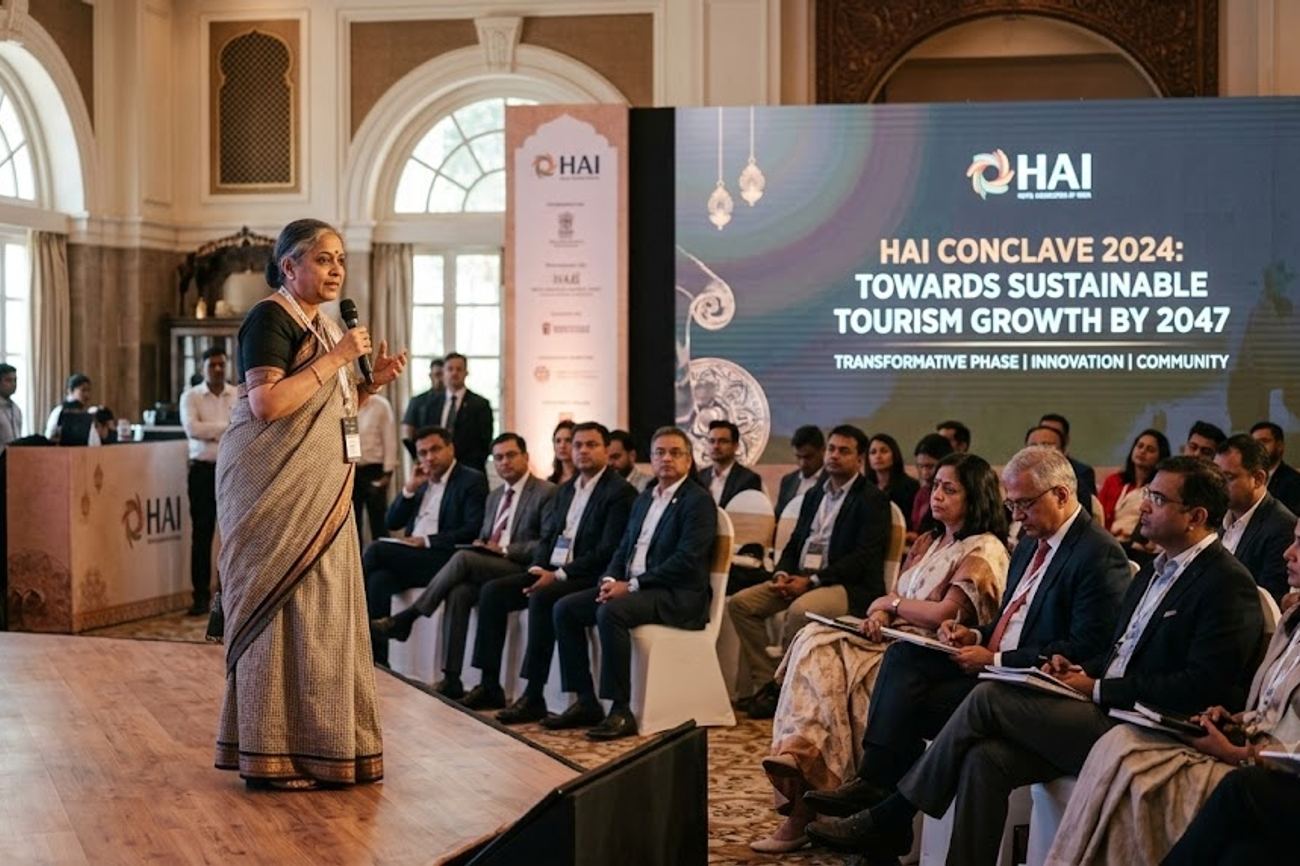
Image generated by AI
India is currently operating with only around 225,000 hotel rooms, a figure that stands in stark contrast to the massive surge of over 400 crore domestic tourist visits recorded in 2024. This gap between available infrastructure and actual demand is the primary catalyst behind a national effort to "re-engineer" the entire hospitality framework to meet the goals of Vision 2047.
The Shift Toward Experience-Led Tourism
The traditional model of Indian hospitality—focused primarily on providing a bed and a meal—is being dismantled in favor of "experience-led tourism." During the 7th HAI Hoteliers’ Conclave held at the Taj Palace in New Delhi, the discourse shifted from mere room counts to the creation of immersive journeys. The Union Minister for Tourism and Culture, Shri Gajendra Singh Shekhawat, noted that the rise of a travel-prioritizing middle class is pushing the industry to integrate cultural heritage with modern technology.
This transformation is not just about luxury; it is about diversifying the types of travel that define the Indian experience. There is a concerted push to formalize and scale niche segments: spiritual and religious circuits, high-adrenaline adventure tourism, holistic wellness retreats, and the high-revenue wedding tourism sector. By moving away from a "one size fits all" approach, the industry aims to turn regional assets into globally competitive destinations. For those tracking the evolution of the sector, the Ministry of Tourism provides the official roadmap for these infrastructure upgrades.
What Makes India's Hospitality Different
The core of the Indian travel experience is rooted in the philosophy of "Atithi Devo Bhava," which translates to "the guest is God." While the industry is aggressively pursuing digital transformation and AI integration, the Prime Minister has emphasized that the human connection remains the non-negotiable foundation of the sector. Unlike the sterile efficiency found in many Western hotel chains, Indian hospitality thrives on an emotional intelligence and a level of care that is deeply personal.
Geographically, the diversity of the offering is unmatched. You can move from the spiritual intensity of Varanasi to the wellness hubs of Kerala or the rugged terrains of Ladakh, all within the same national ecosystem. This variety is what the "Incredible India" campaign seeks to leverage. However, the real uniqueness lies in the "multiplier effect" of tourism here. A single visitor to a regional destination does not just support a hotel; they sustain a network of local artisans, guides, and street food vendors, making tourism a primary engine for rural economic development.
Visitor Insider Tips
To navigate India like a local and avoid the common pitfalls of the "tourist circuit," consider these strategic adjustments:
Timing and Crowds Avoid the peak winter season (December to February) in the Golden Triangle (Delhi, Agra, Jaipur) if you dislike crowds. Instead, target the "shoulder seasons" of September to November. For spiritual hubs, check the lunar calendar; visiting during a major festival is culturally rewarding but requires booking accommodation months in advance.
Neighborhood Bases In New Delhi, avoid the generic hotel hubs of Aerocity if you want culture. Base yourself in South Delhi or near the diplomatic enclave for a more authentic, leafy urban experience. In larger cities, look for "heritage stays" or boutique havelis rather than international chains to experience the architectural soul of the region.
Transport Hacks While the government is upgrading last-mile connectivity, the "last mile" is often where travelers struggle. Use app-based aggregators like Uber or Ola for city travel, but for inter-city journeys, the Indian Railways network is the true heartbeat of the country. Book your AC 1 or 2-tier tickets via the official IRCTC portal well in advance, as these sell out rapidly.
The Indian hospitality sector is aligning its long-term growth strategies with the national vision of "Viksit Bharat 2047" to enhance sustainable infrastructure. These initiatives are supported by the Ministry of Tourism, which focuses on diversifying destination offerings and improving the overall traveler experience across the subcontinent.
Local Etiquette When visiting religious sites, always carry a light scarf or shawl to cover your head or shoulders. Tipping is common and appreciated, but in small-town eateries, rounding up the bill is often more appropriate than a formal tip.
Cultural and Environmental Context
The rapid expansion of tourism in India brings a complex tension between economic growth and heritage preservation. With the goal of becoming a global powerhouse by 2047, the pressure on "over-tourism" in cities like Agra or Jaipur is significant. The current strategy focuses on "regional tourism growth," which aims to divert traffic away from the saturated hubs and toward lesser-known districts. This not only protects the physical integrity of UNESCO World Heritage sites but also distributes wealth more equitably across the population.
Environmental sustainability is now a core pillar of the "Re-Engineering Hospitality" theme. The industry is grappling with waste management in fragile ecosystems, such as the Himalayas and the coastal belts. The shift toward "sustainable expansion" means moving away from massive concrete resorts toward eco-lodges and community-owned homestays. This ensures that the "demographic dividend"—the vast population of young, skilled workers—is employed in roles that protect rather than deplete the natural environment.
FAQ: Visiting India 2025
What is the best time to visit? The optimal window is October to March when the weather is cool and dry across most of the country. However, for the Himalayan regions, May to September is the peak period to avoid heavy snow and road closures.
Do I need a visa? Most international travelers can apply for an e-Visa, which is a streamlined online process. Check the official government portal for the specific duration (30 days, 1 year, or 5 years) that fits your itinerary.
How do I get there from major global hubs? Major cities like Delhi, Mumbai, and Bengaluru have direct flights from London, New York, Dubai, and Singapore. For regional travel, domestic flights are frequent, but the rail network is the most immersive way to travel.
Is it safe for solo travelers? Yes, though caution is advised. Stick to reputable transport, use hotel-verified taxis, and stay in well-reviewed accommodations. India is generally welcoming, but staying aware of your surroundings is standard practice for any solo traveler.
The future of Indian travel is no longer about where you stay, but how you feel while you are there.
Related Travel Guides
- Singapore Welcomes New Four Seasons Premier Suite Designed for Multigenerational Luxury Stays
- Iceland Lead Europe’s Off Site Modular Eco-Resort Revolution, Transforming Wilderness Tourism With Sustainable Design
- Mumbai’s Grounded Reinvents Classic Toast Experience With The Toast Takeover Featuring Bold New Flavours
Disclaimer
This article is for informational and educational purposes only. It does not constitute legal, financial, or professional advice. While we strive to provide accurate and up-to-date information, travel policies, regulations, and conditions change rapidly. Always verify information with official sources before making travel decisions. Nomad Lawyer makes no representations about the accuracy, reliability, completeness, or suitability of the information provided. Readers should consult qualified professionals for advice specific to their circumstances. The views expressed in this article are those of the author and do not necessarily reflect the views of Nomad Lawyer.
Preeti Gunjan
Contributor & Community Manager
A passionate traveller and community builder. Preeti helps grow the Nomad Lawyer community, fostering engagement and bringing the reader experience to life.
Learn more about our team →