Royal Caribbean Restores Beverage Package Exemptions With Strict 10-Day Review Process in 2026

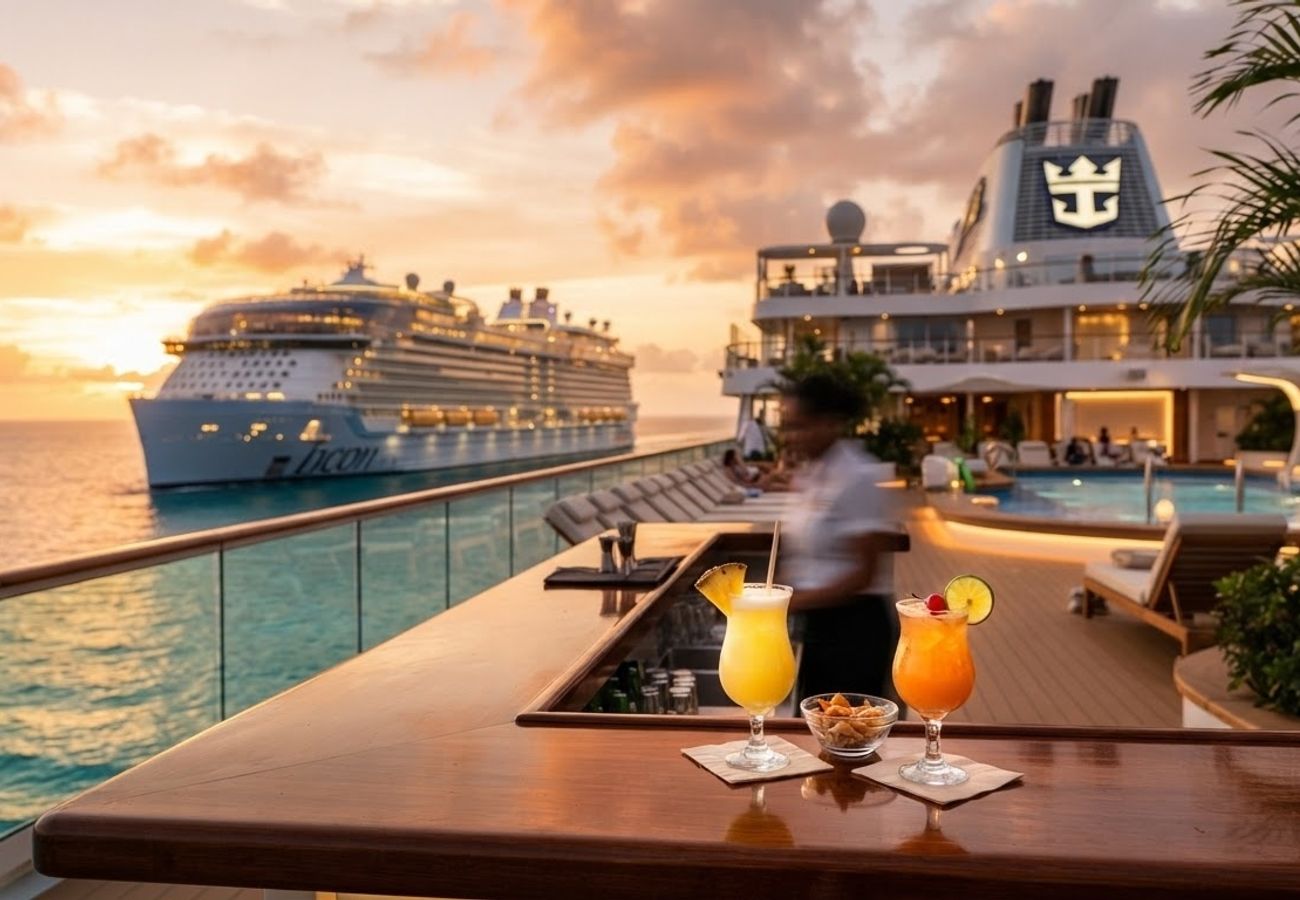
Image generated by AI
A 10-business-day review window now dictates whether cruise passengers can avoid the mandatory purchase of high-cost drink packages. This structural shift, implemented by Royal Caribbean on September 7, 2026, marks the end of a rigid era that began on August 1, 2025, when the cruise line mandated that every adult in a stateroom purchase the Deluxe Beverage Package if a single occupant opted in.
The Shift from Blanket Mandates to Documented Accommodations
For over a year, Royal Caribbean operated under a strict "all-or-nothing" policy regarding beverage packages. This approach was designed to maximize ancillary revenue and eliminate the practice of "package sharing," where one passenger would purchase a plan and provide drinks for their cabin mates. However, the lack of flexibility created significant friction for passengers who were physically or medically unable to consume alcohol.
The introduction of the Beverage Package Accommodation Request system on September 7, 2026, represents a strategic pivot. Rather than returning to a lenient, representative-led waiver system, the cruise line has digitized the process. This move allows Royal Caribbean to maintain a centralized audit trail of exemptions, ensuring that leniency is applied consistently across its global fleet while protecting the revenue stream of its premium offerings.
Eligibility Criteria and the Documentation Gap
The new exemption process is intentionally restrictive. The digital request form limits valid justifications to three specific categories: disability, medical conditions, and pregnancy. It is vital for travelers to recognize that "lifestyle choices"—including religious beliefs, sobriety by preference, or general wellness goals—are explicitly excluded from this accommodation.
While the company suggests that medical documentation is voluntary, real-world data from September 2026 indicates a high denial rate for requests submitted without supporting evidence. To secure an approval, guests should provide a signed letter from a licensed healthcare provider.
| Request Category | Approval Likelihood | Required Documentation |
|---|---|---|
| Pregnancy | High | Medical confirmation/Doctor's note |
| Medical Condition | High | Signed provider letter specifying alcohol contraindication |
| Disability | Moderate to High | Official medical documentation |
| Personal Preference | Zero | N/A (Not a valid category) |
| Religious Beliefs | Zero | N/A (Not a valid category) |
Expert Analysis: The Economics of the "Downsell"
For travelers booking this route, the direct consequence of an approved exemption is not a total cost elimination, but rather a mandatory "downsell." Royal Caribbean has structured this policy so that an exemption from the Deluxe Beverage Package does not grant the guest a "no-package" status. Instead, the guest is required to purchase the Royal Refreshment Package.
The pricing pressure this creates means that while the guest avoids the cost of the alcoholic tier—which covers spirits, cocktails, wine, and beer up to $14 per drink—they are still locked into a daily fee for premium coffees, teas, fresh juices, and sodas. From a business perspective, this ensures that the cruise line captures a minimum per-head beverage spend regardless of the passenger's medical status.
Furthermore, the financial impact extends to the mandatory 18% gratuity. Because this service charge is calculated based on the retail value of the package, an approved exemption significantly lowers the upfront gratuity cost. For a seven-night sailing, the difference between the Deluxe and Refreshment package gratuities can represent a notable saving, provided the request is approved before the final payment date.
As these updated regulations roll out, passengers are encouraged to coordinate their travel documents and health certifications well in advance of departure. For those sailing from U.S. ports, verifying current entry and exit requirements via the U.S. Customs and Border Protection website is essential for a seamless embarkation process.
Key Takeaways for 2026 Sailings
- The 10-Day Rule: Requests must be submitted at least 10 business days prior to sailing; late submissions often result in paying full price at the pier and seeking a difficult refund later.
- Mandatory Alternative: Approval for a medical exemption requires the purchase of the Royal Refreshment Package; it is not a total waiver of beverage costs.
- Documentation is Key: A signed physician's letter is the only reliable way to avoid initial denial, as general statements about health are frequently flagged.
- Ancillary Costs: As of March 15, 2026, the Coca-Cola Freestyle souvenir cup is no longer included in any package and costs an additional $4.99.
- Payment Timing: Aim to secure the exemption before the final cruise payment date to ensure the correct pricing is reflected in the Cruise Planner.
Guests seeking to verify exemption eligibility or submit medical documentation should review the medical beverage policy directly on the official Royal Caribbean International guest services portal before departure.
FAQ: Royal Caribbean Beverage Exemptions 2026
Can I get a drink package exemption for religious reasons? No. As of September 2026, Royal Caribbean only grants exemptions for pregnancy, disability, or documented medical conditions. Religious beliefs and personal preferences are not accepted grounds for a waiver.
What happens if my exemption request is denied? If denied, and your cabin mate has the Deluxe Beverage Package, you will be required to purchase the Deluxe package as well, regardless of your ability to consume alcohol.
Does the Refreshment Package include the souvenir cup? No. Starting March 15, 2026, the Coca-Cola Freestyle souvenir cup must be purchased separately for $4.99, even for those on the Refreshment Package.
How long does the approval process take? The official review window is 10 business days. Travelers are advised to submit their documentation well in advance of their final payment deadline.
The era of the "casual waiver" is over; documented medical necessity is now the only currency for cruise cost-savings.
Related Travel Guides
This article is for informational purposes. Flight routes, passenger regulations, visa rules, and transit advisories are subject to change by airlines and aviation authorities. Readers are advised to verify schedules and travel documentation with relevant carriers and border agencies before departure.
Related Stories

American Cruise Travel 2027: Record 22.4M Passengers Reshape Caribbean, Alaska, and European Sailings

Warm US Winter Travel Guide 2026–2027: Nine Sunshine Escapes from the Florida Keys to Hawaii