
Indiana Oldest Once-Thriving Mall Now Nearly Empty in 2026
Indiana's oldest shopping mall stands nearly vacant in 2026, symbolizing America's retail transformation. Once a thriving destination, the landmark now hosts only a handful of retailers as consumer behavior shifts online.

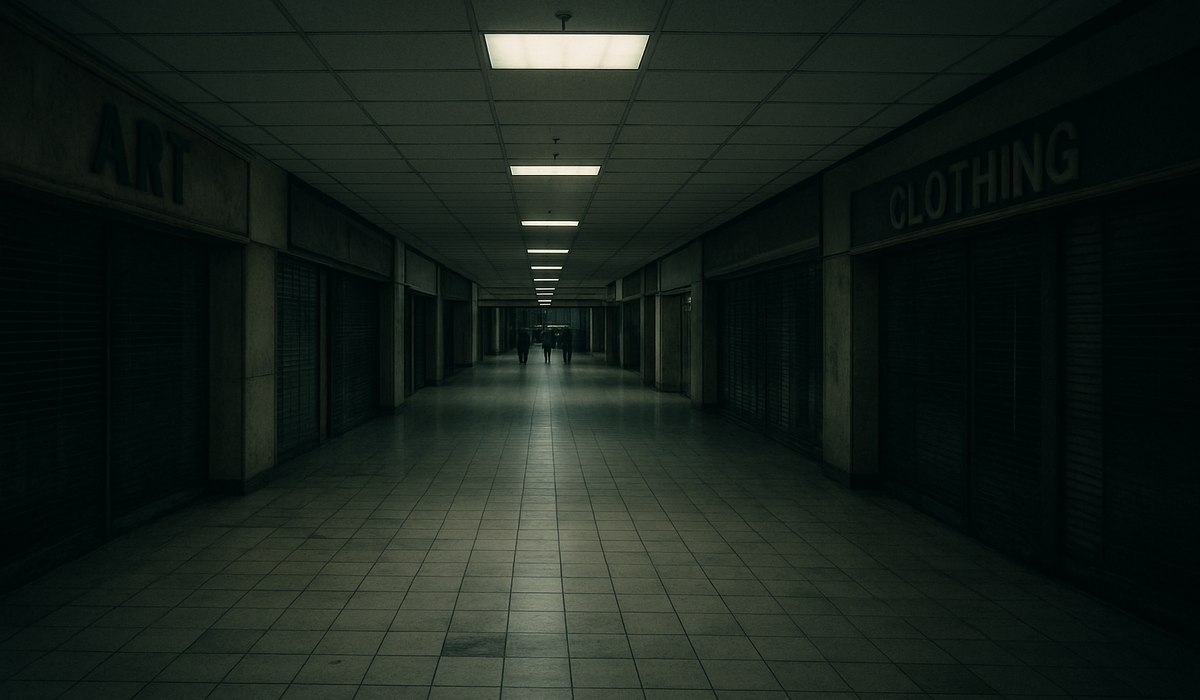
Image generated by AI
Indiana's Historic Shopping Mall Faces Continued Decline
Indiana's oldest shopping mall sits nearly empty today, representing a dramatic transformation in American retail landscapes. Once a vibrant commerce destination that drew crowds daily, the landmark now operates with only a handful of tenants and scattered foot traffic. The mall's decline reflects broader economic shifts reshaping how consumers shop, where they spend leisure time, and how communities adapt to changing commercial patterns.
The structural shell remains intact, but the energy that once defined this retail institution has largely dissipated. A few dedicated retailers and occasional walkers pass through corridors that once bustled with shoppers. This Indiana oldest once-thriving destination now serves as a tangible reminder of retail's seismic transformation across the United States.
From Retail Powerhouse to Ghost Mall: The Decline
The fall from grace wasn't sudden but rather a gradual erosion spanning decades. During its peak years, this Indiana shopping destination anchored regional commerce, drawing visitors from surrounding counties. Department store giants occupied prominent positions while specialty shops, food courts, and entertainment venues filled every corridor.
By the early 2000s, warning signs emerged. Big-box retailers began opening standalone locations outside mall spaces. E-commerce platforms launched, fundamentally changing consumer purchasing patterns. The COVID-19 pandemic accelerated trends already underway, pushing more shoppers toward digital channels.
Today's reality stands starkly different from that golden era. Anchor stores that once defined the mall's identity have vanished. Remaining retailers struggle with foot traffic. The Indiana oldest once-vital retail hub now requires significant reimagining to remain viable.
Retail experts point to this decline as emblematic of national mall closures, with over 80 percent of American shopping malls struggling financially since 2020. The shift represents more than economic difficulty—it reflects fundamental changes in consumer preferences and lifestyle patterns.
What Killed America's Shopping Malls?
Multiple factors converged to transform traditional shopping destinations. The rise of e-commerce fundamentally altered purchasing behavior, allowing consumers to browse products from home. Companies like Amazon revolutionized delivery expectations and convenience standards.
Demographic shifts accelerated these changes. Younger consumers prioritize experiences over traditional shopping expeditions. Urban millennials and Gen Z prefer online shopping combined with occasional retail visits for specific purposes rather than leisure browsing.
Real estate economics also shifted. Operational costs for maintaining large enclosed spaces increased dramatically. Landlords faced declining rental revenues as major tenants relocated or closed. Property taxes and utility expenses became unsustainable without robust tenant bases.
The pandemic served as a decisive inflection point rather than a primary cause. It accelerated existing trajectories toward digital commerce adoption. Even as shops reopened, consumer habits had fundamentally transformed. Many shoppers discovered they preferred online ordering with curbside pickup or home delivery options.
Secondary effects compounded challenges. When anchor stores closed, their departure devastated smaller retailers dependent on foot traffic. Communities lost gathering spaces that served social functions beyond commerce. The Indiana oldest once-thriving mall exemplifies these interconnected pressures affecting retail nationwide.
The Few Stores Still Standing
Despite widespread vacancies, several tenants remain committed to the space. A discount retailer maintains operations, serving price-conscious shoppers. A fitness facility occupies valuable square footage, adapting the mall's purpose toward wellness services. A few specialty shops cater to loyal customer bases.
These remaining businesses represent survival strategies in transformed retail landscapes. Many have significantly downsized operations or adjusted business models to accommodate reduced foot traffic. Some leverage the mall's location and property values despite minimal customer volume.
A small food court operation persists, though it operates far below historical capacity. A clothing outlet attracts occasional bargain hunters. A used goods retailer occupies previously premium retail space, indicating how dramatically property values have declined.
These holdouts matter symbolically and practically. They prevent the Indiana oldest once-thriving destination from becoming completely abandoned. They maintain minimal employment and tax revenue for the municipality. However, their presence cannot mask the dramatic transformation affecting this landmark property.
Attempts to attract new tenants face significant challenges. Many retailers hesitate committing to mall locations given industry-wide struggles. Concepts that might succeed—fitness centers, medical offices, educational facilities—require different building configurations than traditional mall design.
What's Next for Indiana's Retail Landmark?
Reimagining this historic property represents both challenge and opportunity. Successful mall transformations nationally have involved diversifying uses beyond traditional retail. Some have converted into mixed-use spaces combining residential units, office space, entertainment venues, and food service.
This Indiana oldest once-bustling destination has potential for adaptive reuse. The building infrastructure exists; the challenge involves reconceptualizing its purpose. Some communities have successfully transformed struggling malls into community centers, college campuses, or healthcare facilities.
Local stakeholders debate various futures for the property. Preservation advocates want to maintain the structure's historical significance. Developers propose demolition and replacement with modern concepts. Financial realities will ultimately determine the outcome, depending on ownership, debt obligations, and municipal support.
Investment requirements for substantial transformation remain substantial. Retrofitting for residential conversion requires major construction and code compliance work. Converting to office space demands different mechanical and technological systems. Mixed-use development increases complexity and financial risk.
The Indiana oldest once-thriving mall's future hinges on creative partnerships between property owners, municipal governments, and private developers. As communities nationwide grapple with similar questions, this landmark's decisions may inform broader approaches to retail property transformation. National retailers continue exploring new formats emphasizing experiences, personalization, and community engagement rather than traditional mall models.
Key Data on American Retail Transformation
| Metric | 2010 | 2020 | 2026 | Change |
|---|---|---|---|---|
| Operating U.S. Shopping Malls | 1,500+ | 900 | 650 | -57% |
| E-commerce Share of Retail | 8% | 16% | 25% | +213% |
| Average Mall Occupancy Rate | 85% | 65% | 40% | -53% |
| Department Store Closures | Minimal | 300+ | 500+ | Growing |
| Adaptive Reuse Projects Started | 5 | 25 | 80+ | +1,500% |
| Americans Visiting Malls Monthly | 150M | 70M | 35M | -77% |
| Average Retail Space per Capita (sq ft) | 24 | 20 | 14 | -42% |
What This Means for Travelers
The transformation of Indiana's oldest shopping destination reflects broader changes affecting destination tourism and retail experiences nationwide.
-
Plan retail differently: Don't expect traditional mall experiences at heritage shopping destinations. Many have reduced hours, limited selection, and changed operating patterns. Verify store lists and hours before visiting.
-
Seek experiential alternatives: Communities are replacing shopping emphasis with entertainment, dining, and cultural attractions. Research mixed-use destinations combining retail with activities, restaurants, and galleries.
-
Consider timing: Visit struggling retail spaces during peak hours (weekends, early evenings) when remaining stores maintain full staffing and better selection. Avoid weekday visits when minimal employees work limited shifts.
-
Embrace online coordination: Many Indiana retailers now offer online ordering with local pickup options. Shopping digitally before traveling helps locate specific items and verify availability at destination locations.
-
Discover secondary retail districts: Many communities maintain thriving secondary shopping areas, outlet centers, or downtown retail districts that succeeded where traditional malls failed. These often provide better customer experiences and product selection.
-
Document historical retail spaces: If interested in retail architecture or commercial history, photograph and explore these transforming spaces while they exist. Many may undergo dramatic changes or demolition within coming years.
Frequently Asked Questions
What is Indiana's oldest shopping mall? The Southlake Mall in Hobart, Indiana, opened in 1968 and represents one of the state's earliest enclosed shopping destinations. Once featuring major anchor stores and hundreds of retailers, it now operates with a fraction of historical ten
Disclaimer
This article is for informational and educational purposes only. It does not constitute legal, financial, or professional advice. While we strive to provide accurate and up-to-date information, travel policies, regulations, and conditions change rapidly. Always verify information with official sources before making travel decisions. Nomad Lawyer makes no representations about the accuracy, reliability, completeness, or suitability of the information provided. Readers should consult qualified professionals for advice specific to their circumstances. The views expressed in this article are those of the author and do not necessarily reflect the views of Nomad Lawyer.
Raushan Kumar
Founder & Lead Developer
Full-stack developer with 11+ years of experience and a passionate traveller. Raushan built Nomad Lawyer from the ground up with a vision to create the best travel and law experience on the web.
Learn more about our team →