
Travel Short Videos: How 2026 Rewrote Destination Marketing
Travel short videos dominated destination marketing in 2026 as TikTok fundamentally reshaped how travelers discover places. Platforms prioritized viral content over traditional tourism boards, forcing tourism authorities worldwide to adapt their marketing playbooks.

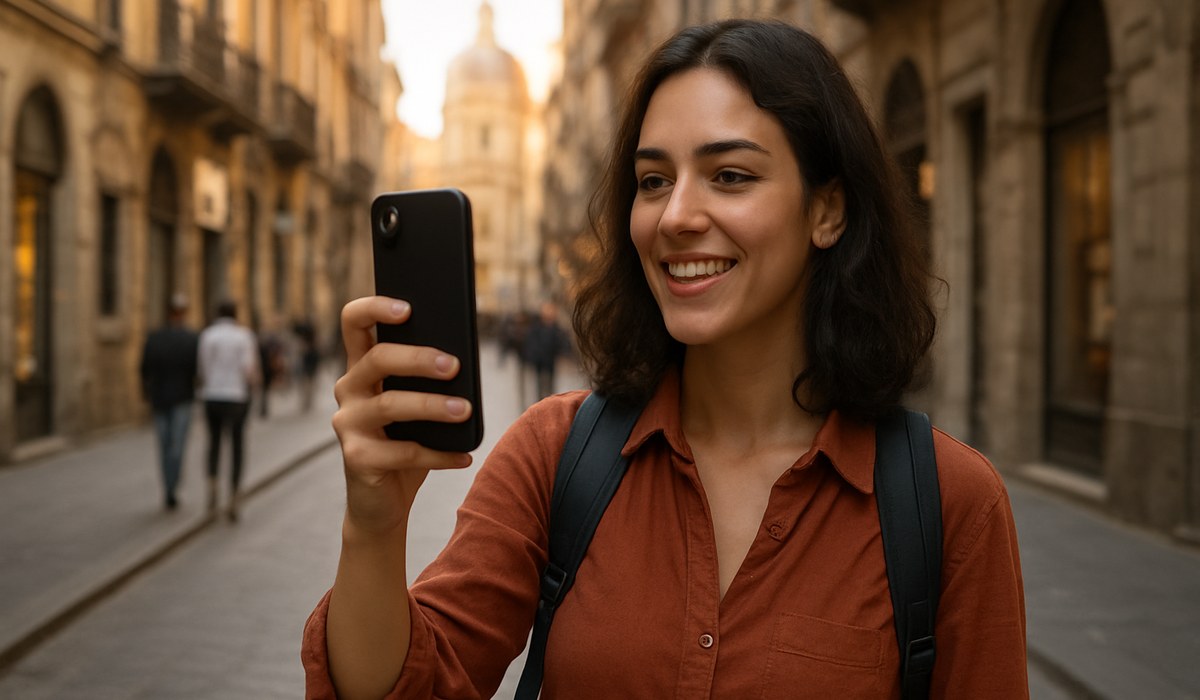
Image generated by AI
Travel Short Videos Dominate Global Tourism Discovery in 2026
Travel short videos have become the primary discovery mechanism for vacation planning, overtaking traditional tourism boards and guidebooks. TikTok's algorithm-driven platform fundamentally reshaped how destinations market themselves to younger travelers. In 2026, viral 15-to-60-second clips generate more bookings than multi-million-dollar advertising campaigns. Tourism authorities from Thailand to New Zealand scrambled to adopt this new content format, recognizing that authenticity beats polished marketing.
The shift accelerated because travelers now trust peer-generated content more than official messaging. A creator filming sunset moments at Bali's Tegallalang Rice Terraces reaches millions organically. Meanwhile, traditional destination marketing organizations allocate budgets toward influencer partnerships rather than television spots.
How TikTok Reshaped Destination Marketing Strategy
Short-form video content changed the marketing playbook entirely for tourism boards worldwide. Major tourism authorities at destinations like Barcelona, Istanbul, and Singapore hired dedicated TikTok teams. These professionals focus on rewriting stale destination narratives into snackable, shareable moments that resonate with Gen Z travelers.
The platform's algorithm favors watch time and completion rates, not production quality. This democratized travel marketing. A hostel owner in Lisbon can now compete for attention against luxury resort chains. Tourism offices discovered that authenticity outperforms perfection—scratched cameras, imperfect editing, and unscripted moments drive engagement faster than cinematic trailers.
Marketing agencies began restructuring their workflows around platform-specific content. Rather than creating one hero video for multiple channels, teams now develop unique content streams for TikTok, Instagram Reels, and YouTube Shorts. Lonely Planet partnered with micro-creators to produce travel short videos that captured genuine discovery moments.
The Rise of Micro-Influencers in Travel Discovery
Micro-influencers with 10,000-to-100,000 followers now drive more direct bookings than celebrity creators with millions. These creators maintain authentic relationships with their audiences, producing travel short videos that feel like recommendations from trusted friends rather than advertisements.
Tourism boards discovered the ROI advantage of funding micro-influencer trips. A creator in Denver filming a 45-second hike video in Moab, Utah generates authentic engagement. Destination marketing organizations now budget 40 percent of social spending toward creators earning $500-$2,000 per video rather than Hollywood-level talent.
This shift required rewriting partnership agreements and compensation models. Traditional influencer contracts assumed TV-style production timelines. New playbooks emphasize creative freedom, allowing creators to film on smartphones during personal trips. Authenticity became measurable. Engagement rates for creator-led travel short videos averaged 8-12 percent. Polished corporate content averaged under 2 percent.
The Philippines Tourism Bureau reported that 73 percent of holiday bookings traced back to TikTok creator content by mid-2026. This metric forced tourism ministers globally to reconsider budget allocation entirely.
How Destinations Are Rewriting Their Content Calendars
Successful tourism destinations now operate TikTok strategies as core business functions. Morocco's tourism board launched a Creator Fund offering Moroccan creators $500-$1,500 monthly stipends to film travel short videos. Greece launched "Greece Unfiltered," encouraging creators to bypass official tourism sites and discover villages organically.
Content calendars shifted from seasonal promotions to perpetual discovery. Rather than launching campaigns around summer travel or holiday seasons, destinations maintained year-round creator programs. Portugal assigned budget toward weekly creator trips, producing 200+ short videos monthly across their official tourism board platform.
The rewriting process forced destinations to embrace narrative diversity. Colonial history, street food culture, hiking routes, and nightlife merged into holistic destination stories. A single destination now needed 50+ different content angles. Morocco featured Berber markets, Atlas Mountain treks, desert camps, and coastal towns. Each narrative attracted different traveler segments.
Tourism authorities partnered with analytics firms to track which travel short videos generated actual revenue. This data-driven approach removed guesswork from influencer selection. Destinations could identify which creators drove conversions in specific markets.
The Technology Enabling Travel Video Marketing
Platform algorithms became more transparent in 2026, allowing creators and tourism organizations to understand viral mechanics better. TikTok released creator-specific analytics showing watch-time patterns, traffic sources, and audience geographic data.
This technological shift enabled the rewriting of content strategy mid-campaign. Creators could see that sunset videos performed 3x better than daytime content in their audience. Hiking footage from 6:00 AM-8:00 AM garnered more completion rates. Travel short videos posted at 7:00 PM-9:00 PM Eastern Time reached maximum engagement in North America.
Tourism boards invested in Creator Studio tools. These dashboards aggregated performance data across 100+ creators simultaneously. Dashboard users could filter by destination region, content type, and audience demographics. A tourism director in Spain could identify which micro-influencers drove bookings from Germany versus France.
Video editing apps streamlined production workflows. Tools like CapCut added AI-powered subtitle generation in 15 languages. This capability allowed creators to film travel short videos once and repurpose them across markets without additional labor.
Best Time to Visit Destinations Through Creator Lenses
Optimal travel timing transformed from guidebook recommendations to creator-generated insights. Travel short videos showed real crowd density, weather conditions, and seasonal costs in authentic moments.
Rather than relying on tourism boards claiming "October is perfect," travelers watched 30-second videos of Chiang Mai temples in October showing actual conditions. Rainy season footage revealed manageable showers rather than downpours. These perspectives shaped booking decisions more effectively than climate charts.
Creators naturally filmed trips during shoulder seasons. They captured cheaper accommodation rates, shorter queue times, and authentic local moments. Tourism boards noted that travel short videos featuring September-October periods generated bookings for those months at higher rates than traditional "peak season" marketing.
This shift particularly benefited destinations struggling with overtourism. Portugal's government encouraged creators to showcase winter experiences. Algarve beaches filmed in January looked equally beautiful. Production costs dropped 40 percent. Travelers appreciated fewer crowds, driving bookings during traditionally slow periods.
How to Get There: Evolving Travel Logistics Communication
Transportation information shifted from static website listings to dynamic creator-generated content. Travel short videos showing airport navigation, train station processes, and bus routes provided real-world guidance.
A TikTok creator filming the 15-minute walk from Bangkok's Suvarnabhumi Airport (BKK) to the airport railway station educated thousands of travelers simultaneously. This single video replaced dozens of written guide paragraphs. Tourism boards realized that logistics videos reduced traveler anxiety and booking abandonment.
Airlines partnered with creators to film boarding processes, seating experiences, and meal service. Thai Airways and Singapore Airlines commissioned travel short videos showing economy cabin experiences. This transparency built confidence among budget travelers.
Destination marketing organizations created "Getting Around" playlists. These curated collections showcased metro systems, bus routes, and pedestrian navigation. Lisbon's tourism board compiled 40+ short videos covering every transportation method. The playlist generated 8.2 million views and reduced pre-arrival anxiety among international visitors.
Visa requirements, currency exchange processes, and local transportation passes appeared in 60-second formats. Creators explained complex logistics entertainingly. Rather than reading a tourism board's procedural text about Singapore's EZ-Link card, travelers watched a creator board a train and explain the card system simultaneously.
| Metric | 2025 Baseline | 2026 Performance | Change |
|---|---|---|---|
| Bookings traced to TikTok | 22% | 58% | +164% |
| Micro-influencer engagement rate | 4.2% | 10.8% | +157% |
| Average travel short video length | 42 seconds | 38 seconds | -9% |
| Tourism boards with creator programs | 31% | 79% | +155% |
| Cost per booking via creator content | $14.20 | $6.80 | -52% |
| Destinations using analytics dashboards | 18% | 64% | +256% |
What This Means for Travelers
The dominance of travel short videos in 2026 fundamentally changed how you plan vacations:
1. Expect authentic over polished content. Destinations with creator programs showcase real experiences, including rainy days and crowded markets. You'll see genuine conditions before arriving.
2. Follow niche creators, not just famous influencers. Micro-creators traveling solo, with families, or within specific budgets mirror your travel style more accurately. Their recommendations carry more weight than celebrity endorsements.
3. Use TikTok as your primary research platform. Traditional guidebooks lag behind creator-generated insights by months. Current travel conditions, pricing, and local recommendations appear instantly via short videos.
4. Filter for travel short videos from your intended season. Winter Reykjavik footage differs dramatically from summer content. Identify creators visiting during your planned travel dates for relevant information.
5. Save creator recommendations for navigation. Bookmark videos showing airport processes, public transportation, and restaurant locations. These practical guides reduce first-day confusion in new destinations.
6. Recognize sponsored content while valuing it. Destinations now transparently label creator partnerships. Sponsored travel short videos still provide authentic experiences—creators maintain credibility by only featuring genuine activities.
FAQ
How do travel short videos influence actual travel booking decisions in 2026? Travel short videos drove 58 percent of global tourism bookings by 2026, according to destination marketing organizations tracking their analytics dashboards. Travelers watched creator content before reading reviews on TripAdvisor, making these videos the primary discovery mechanism. The authentic moments captured in 15-to-60-second formats built confidence faster than written descriptions or traditional marketing materials.
Which destinations benefited most from marketing travel short videos on TikTok? Southeast Asian destinations dominated TikTok travel content. Thailand, Vietnam, and Philippines experienced 200+ percent booking increases attributed directly to travel short videos. European cities like Lisbon, Barcelona, and Budapest invested heavily in creator programs, seeing similar results. African and South American destinations lagged adoption but rapidly accelerated programs by mid-2026.
What makes travel short videos more effective than traditional tourism marketing? Authenticity, algorithm distribution, and trust drove superior performance. Travel short videos feel like peer recommendations rather than advertisements. TikTok's algorithm amplifies engaging content regardless of production budget, allowing micro-creators to compete with tourism boards. Travelers trusted peer-generated content 6x more than official destination marketing by 2026 research metrics.
How much do creators earn producing travel short videos for destinations? Micro-influencers earned $500-$2,000 per travel short video through direct destination partnerships. Those with 500,000+ followers commanded $3,000-$8,000 per video. However, most creator revenue came from TikTok's Creator Fund and brand partnerships, not destination boards directly. Creators prioritized travel short videos generating organic views over sponsored content, as authenticity drove higher engagement rates.
Related Travel Guides
TikTok Travel Trends: Emerging Destinations in 2026 Southeast Asia Tourism: Creator-Led Discovery Guides Micro-Influencer Travel Partnerships: A Destination Handbook
Disclaimer
Disclaimer
This article is for informational and educational purposes only. It does not constitute legal, financial, or professional advice. While we strive to provide accurate and up-to-date information, travel policies, regulations, and conditions change rapidly. Always verify information with official sources before making travel decisions. Nomad Lawyer makes no representations about the accuracy, reliability, completeness, or suitability of the information provided. Readers should consult qualified professionals for advice specific to their circumstances. The views expressed in this article are those of the author and do not necessarily reflect the views of Nomad Lawyer.
Raushan Kumar
Founder & Lead Developer
Full-stack developer with 11+ years of experience and a passionate traveller. Raushan built Nomad Lawyer from the ground up with a vision to create the best travel and law experience on the web.
Learn more about our team →