
Beyond the Tarmac: How Houston Is Turning Millions of Connecting Air Travelers into City-Break Explorers
With United's $2.6B Terminal B concourse welcoming nearly 17 million domestic seats and 65 global routes, Houston is positioning its $16.2B visitor economy to transform layovers into immersive Texas city breaks.

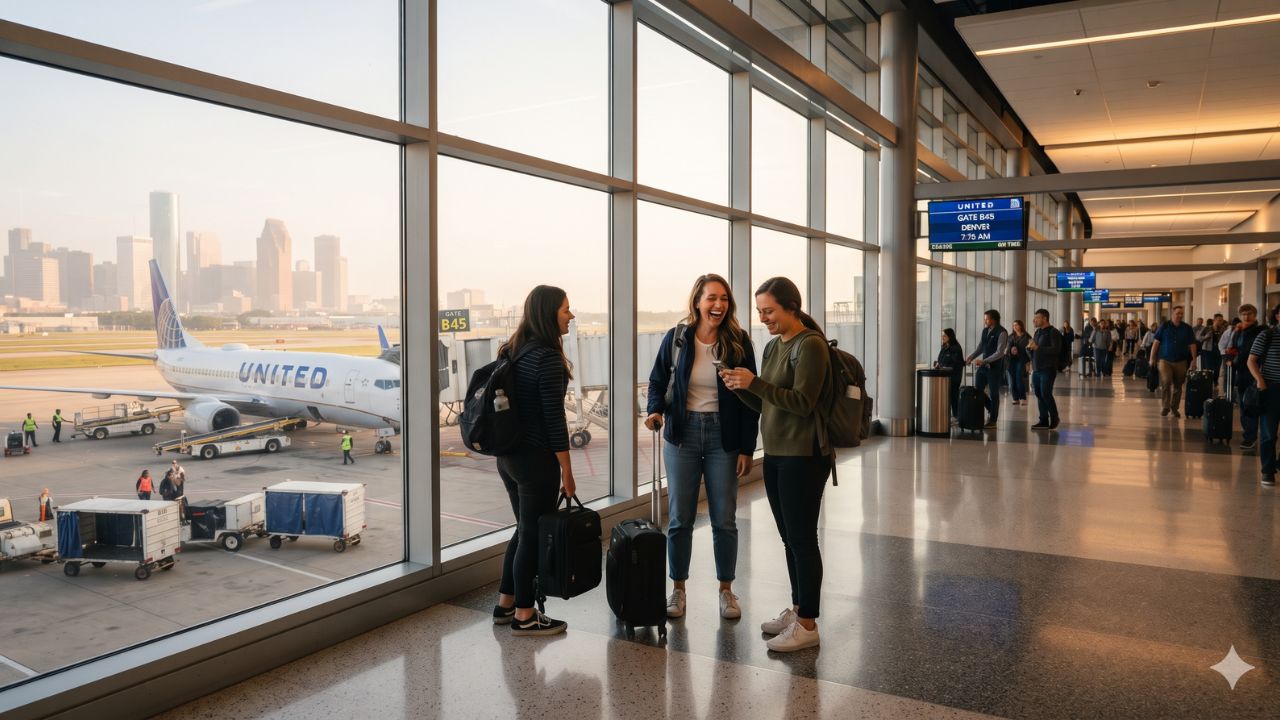
Out of the 90.1 million travelers who visited the Houston metropolitan area in 2025, generating a colossal $16.2 billion in direct regional spending, millions only glimpsed the city through double-paned aircraft windows while transferring between connecting flights. That missed opportunity is coming under intense focus following the 22 October 2026 opening of United Airlines’ new Terminal B North Concourse at George Bush Intercontinental Airport (IAH). As the flagship operational milestone of a broader $2.6 billion Terminal B Transformation Programme, the concourse strengthens Houston's position as a mega-hub serving 65 international destinations—including 57 across Latin America and the Caribbean—alongside nearly 17 million annual domestic airline seats in 2026.
Yet behind the gleaming new departure gates lies a striking tourism reality: neither United Airlines nor municipal marketing agencies have introduced a subsidized, airline-sponsored stopover package with complimentary hotel rooms or free transit. Instead, a growing wave of independent global travelers is deliberately building 24- to 48-hour stopovers into their itineraries, discovering that Texas's largest metropolis offers an astonishingly rich cultural and culinary identity that far exceeds standard airport terminal bounds.
The Layover Opportunity: Connecting Aviation Scale to Ground Economics
A clear economic divide separates an airport connection from a genuine destination visit. A passenger who dashes between Terminal B and Terminal C to catch a flight to Bogota or London generates landing fees and concession sales, but contributes little to local neighborhoods, neighborhood bistros, or cultural institutions.
The potential to convert even a small percentage of connecting flyers into overnight guests is anchored in Houston's existing visitor footprint. According to certified economic assessments published by Houston First:
- The Greater Houston metropolitan area welcomed 90.1 million day and overnight visitors in 2025.
- International visitors represented approximately three million of that total, drawn heavily from neighboring Mexico (roughly two million visitors) and the United Kingdom (nearly 104,000 visitors in 2025).
- Regional travel spending climbed to $16.2 billion, generating a total economic impact of $26.8 billion while sustaining nearly 205,000 local tourism and hospitality jobs.
- At the municipal city level, an earlier Tourism Economics assessment recorded 53.9 million city visitors in 2024 (a 4.8% annual increase) who spent nearly $11 billion across city hotels, dining rooms, and entertainment venues (an 8.6% rise).
To capitalize on this global visibility, Houston First conducted major international marketing missions to London and Mexico City on 13 October 2026, pitching the city's aerospace heritage, world-class museum district, and innovative culinary scene directly to international travel advisers. For travelers crossing continents, building a personal multi-city booking transforms a routine transfer into an unexpected urban discovery.
What Makes Houston Different: The Cultural Capital of the American South
To travelers whose perception of Texas is shaped by cowboy stereotypes, central Houston delivers a revelation. Unencumbered by traditional zoning laws, the city has evolved into the most ethnically diverse metropolitan area in North America, resulting in an extraordinary collision of art, architecture, and culinary innovation.
The city’s cultural centerpiece is the pedestrian-friendly Museum District, spanning 19 cultural institutions within walking distance of one another beneath ancient live oaks. The crowning jewel is The Menil Collection—a 30-acre neighborhood art campus featuring masterpieces by Picasso, Magritte, and Rothko, housed inside a Renzo Piano-designed gallery that remains entirely free to the public. Steps away stands the Rothko Chapel, a sacred, non-denominational sanctuary featuring fourteen monumental black canvases by Mark Rothko that invite profound meditation.
Culinary exploration in Houston is equally world-renowned. Rather than standardized regional fare, local kitchens pioneer distinct hybrid cuisines: Viet-Cajun crawfish boiled in garlic-butter lemongrass broth in Asiatown, authentic central Mexican moles in Montrose, and smoky Texas brisket cured with south-Asian spice rubs. For international travelers pausing on their way to Central America, an evening spent dining along Westheimer Road reveals an America rarely depicted in generic travel brochures.
Comparing Houston's Tourism Economy and Airport Connectivity Metrics
The following data table illustrates the verified economic indicators and aviation capacity metrics shaping Houston's layover potential:
| Performance Metric | Official Statistical Figure | Regional Scope & Analytical Context |
|---|---|---|
| Metropolitan Total Visitors | 90.1 million travelers | 2025 day and overnight visitation across Greater Houston |
| International Visitors | Approximately 3 million | 2025 overseas and regional arrivals; key focus of stopover growth |
| Regional Travel Spending | $16.2 billion | Direct spending across hotels, dining, retail, and transportation |
| Total Economic Impact | $26.8 billion | Comprehensive regional economic output generated by tourism |
| Tourism-Supported Jobs | Nearly 205,000 positions | Direct employment sustained by the hospitality visitor economy |
| City-Only Visitors (2024 Baseline) | 53.9 million visitors | Reflects 4.8% annual growth within municipal city limits |
| City Visitor Spending (2024) | Nearly $11 billion | 8.6% year-on-year spending increase within city borders |
| United Global Destinations | 65 international routes | Nonstop services operating directly from Houston (IAH) hub |
| Latin America & Caribbean Links | 57 direct destinations | Dominant international corridor linking North and South America |
| Annual Domestic Seats (2026) | Nearly 17 million seats | Capacity volume supporting domestic-to-international connections |
| Leading Source Market: Mexico | Roughly 2 million travelers | Primary international origin market driving regional commerce |
| Leading Source Market: United Kingdom | Nearly 104,000 travelers | Primary European long-haul visitor market identified in 2025 |
Visitor Insider Tips
Crafting an independent, rewarding stopover in Houston requires smart logistical planning and local knowledge:
- Navigate the Current Terminal B Construction Check-In: While United’s Terminal B North Concourse is actively operating flight departures with 22 new mainline gates, the street-level Terminal B check-in lobby remains closed under phased construction. Houston Airports passenger notices instruct all departing passengers to check in, drop luggage, and clear TSA security checkpoints in Terminal C, before boarding the elevated Skyway automated people-mover train to Terminal B gates. Allow an additional 20 minutes for this transit step.
- Structure Multi-City Bookings Manually: Because United does not offer a pre-packaged free stopover program, do not search for simple round-trip tickets. Instead, select the "Multi-City" search function on airline booking engines, inserting a 24- to 48-hour gap in Houston. On many international route pairs connecting Europe or Canada with Latin America, this schedule adjustment can be booked without airline fare penalties.
- Take METRO Bus 102 for Budget Downtown Transit: Skip expensive airport rideshares if traveling light. METRO Route 102 (Bush IAH Express) departs directly from the south side of Terminal C, delivering passengers straight to downtown Houston's METRO Transit Center in approximately 50 minutes for just $1.25. From downtown, the METRORail Red Line provides direct light-rail access to the Museum District and Hermann Park.
- Base Yourself in Montrose or the Museum District: Avoid booking airport motels along Beltway 8. For a genuine city break, reserve boutique accommodations in Montrose or the Museum District. You will be steps from the Menil Collection, independent coffee roasters, and shaded sculpture gardens, all while avoiding morning interstate traffic when returning to IAH.
- Reserve Space Center Houston Timed Passes: If your layover itinerary includes a pilgrimage to the historic Apollo Mission Control Center at Space Center Houston (located 40 miles south of IAH in Clear Lake), purchase timed-entry passes online several days in advance. Book the specialized NASA Tram Tour early in the morning to view astronaut training facilities before midday school groups arrive.
Cultural and Environmental Context
Houston's growth from an early 19th-century bayou trading post into the energy and medical capital of the hemisphere has always been shaped by environmental adaptation. Traversed by ten major bayou waterways, the city is actively pioneering green urban resilience projects.
Initiatives like the Buffalo Bayou Park revitalization have transformed flood-control corridors into 160 acres of restored native prairie, pedestrian trails, and community gathering spots. When visitors step outside terminal gates to explore these parks, they support municipal preservation efforts that balance intense urban commerce with ecological restoration.
In addition, international visitors subject to the US Department of State Visa Waiver Program must remember that leaving the international transit area requires a valid passport, an approved Electronic System for Travel Authorization (ESTA), and standard US Customs and Border Protection clearance. By preparing travel credentials in advance, visitors help maintain smooth border flows while enjoying the warmth of community-rooted Texas hospitality promoted by Visit Houston.
FAQ: Houston Airport Layovers and City Breaks 2026
Does United Airlines offer a free stopover hotel program in Houston?
No. Neither United Airlines nor local tourism bodies offer complimentary hotel stays or organized layover tours. Travelers must book independent multi-city flight itineraries and arrange their own accommodations.
Where do passengers check in for flights departing the new Terminal B concourse?
Departing passengers must check in and clear security inside Terminal C, as the Terminal B ticketing lobby remains temporarily closed for redevelopment, before taking the Skyway train to Terminal B.
Can international connecting passengers leave the airport during a layover?
Yes, provided they hold appropriate US travel authorization (such as an approved ESTA under the Visa Waiver Program or a valid US visitor visa) and allow sufficient time to clear border inspection and security screening.
How far is downtown Houston from George Bush Intercontinental Airport?
Downtown Houston is located approximately 20 miles south of the airport, typically requiring a 30- to 45-minute drive via Interstate 69 depending on traffic conditions, or 50 minutes on the direct METRO 102 express bus.
Beyond the roar of jet engines and flight departure boards, Houston waits with open doors, inviting the hurried traveler to pause and savor the rich soul of the American South.
Related Travel Guides
- The Anatomy of a 2,000-Flight Ground Stall: How Tech Outages and Rolling Delays Snarled American and Southwest
- The Golden Age of Airport Hospitality: United's Record 54,000-Square-Foot Houston Club Anchors a Global Lounge Boom
- Escaping the LAX Horseshoe: Ontario International Eyes Seven Million Passengers as International Flights Surge 28%
- Bypassing the Mega-Hubs: How Seven New Asian Air Corridors Are Reshaping 2027 Regional Travel
Disclaimer
This article is for informational and educational purposes only. It does not constitute legal, financial, or professional advice. While we strive to provide accurate and up-to-date information, travel policies, regulations, and conditions change rapidly. Always verify information with official sources before making travel decisions. Nomad Lawyer makes no representations about the accuracy, reliability, completeness, or suitability of the information provided. Readers should consult qualified professionals for advice specific to their circumstances. The views expressed in this article are those of the author and do not necessarily reflect the views of Nomad Lawyer.
Raushan Kumar
Founder & Lead Developer
Full-stack developer with 11+ years of experience and a passionate traveller. Raushan built Nomad Lawyer from the ground up with a vision to create the best travel and law experience on the web.
Learn more about our team →