
Bypassing the Mega-Hubs: How Seven New Asian Air Corridors Are Reshaping 2027 Regional Travel
Airlines across Thailand, the Philippines, Vietnam, and Malaysia are launching seven major international routes in late 2026, unlocking seamless regional connections for 2027 travelers.

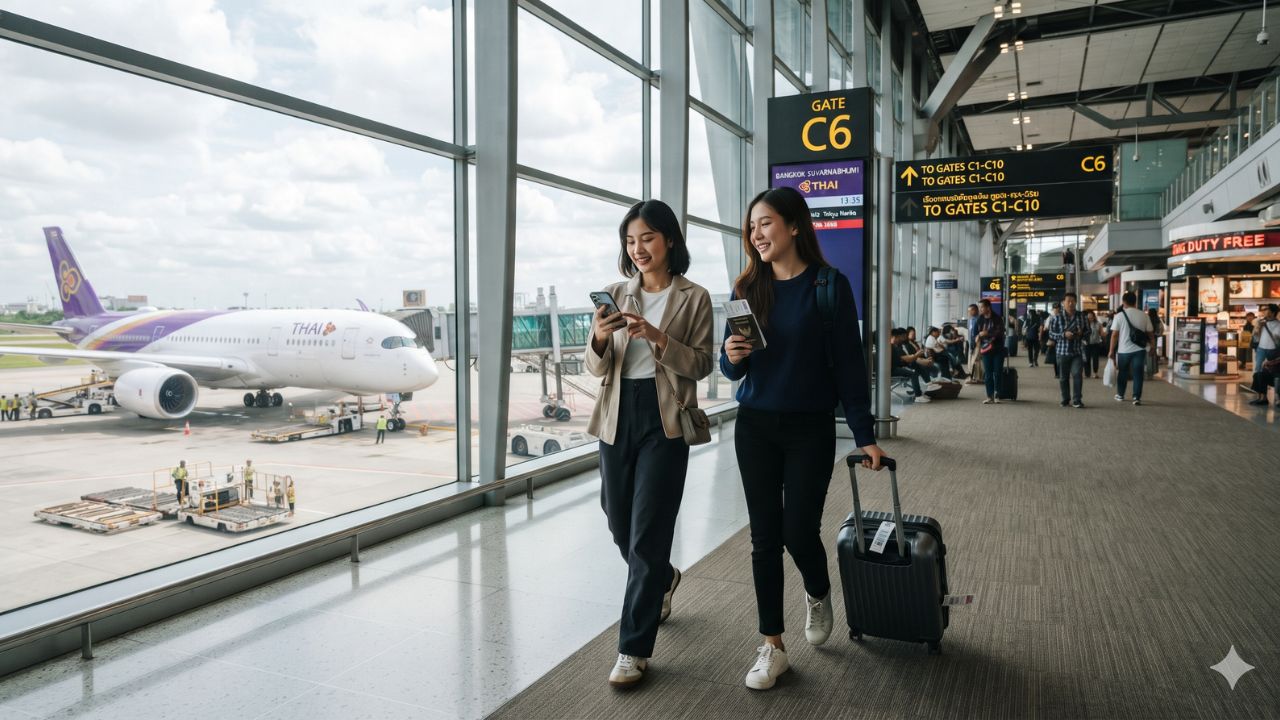
For years, travelers exploring the island archipelagos and heritage towns of Southeast Asia were forced to endure grueling, multi-hour layovers at crowded capital mega-hubs like Manila or Hanoi simply to reach secondary gems. That historic transit bottleneck is rapidly dissolving as four prominent regional carriers—Thai Airways, Cebu Pacific, Sun PhuQuoc Airways, and Malaysia Airlines—roll out seven new and restored international air corridors starting in late 2026. Headlined by Thai Airways introducing an aggressive twice-daily service directly connecting Bangkok with Central Vietnam's coastal capital of Da Nang, this coordinated network expansion unlocks direct access between regional cultural capitals, tropical islands, and major commercial powerhouses across Japan, China, India, and South Korea ahead of the 2027 holiday season.
Rather than concentrating aircraft exclusively on traditional capital-to-capital trunk routes, airline route planners are decentralizing regional airspace. By linking second-tier economic and tourism centers like Cebu, Da Nang, Phu Quoc, Busan, Nagoya, and Xiamen, carriers are offering travelers faster point-to-point itineraries that shave entire travel days off international vacations.
The Decentralization Wave: Unpacking the Seven Route Developments
The expansion rollout spans four Southeast Asian nations, deploying a strategic blend of brand-new regional launches and high-demand route restorations:
Thai Airways: Direct Access to Central Vietnam and Southeastern China
Thai Airways is executing a dual-pronged regional strategy designed to solidify Bangkok's role as a primary transfer crossroad:
- Bangkok (BKK) to Da Nang (DAD), Vietnam: Commencing on 1 December 2026, the Thai flag carrier will operate 14 weekly flights—a remarkably robust twice-daily frequency. Da Nang serves as the primary coastal springboard for central Vietnam, offering swift ground transfers to the UNESCO World Heritage site of Hoi An Ancient Town and the imperial monuments of Hue. Operating two rotations per day allows both corporate travelers and European long-haul tourists connecting through Suvarnabhumi Airport to select optimal morning or evening departure banks.
- Bangkok (BKK) to Xiamen (XMN), China: Scheduled to return under the winter 2026–2027 timetable, Thai Airways will restore its historic connection to Fujian province with four weekly rotations. Xiamen’s deep maritime history and mercantile ties with Southeast Asia make this route a high-yield corridor for both cultural tourism and business travel.
Cebu Pacific: Elevating Mactan-Cebu into a Global Visayan Gateway
The Philippines' largest budget carrier, Cebu Pacific, is aggressively bypassing the congested runways of Manila’s Ninoy Aquino International Airport, positioning Mactan-Cebu International Airport (CEB) as a self-sustaining international gateway:
- Cebu to Nagoya (NGO), Japan: Launching 1 December 2026 with four weekly flights. This direct connection links central Japan's industrial and cultural heartland with the central Philippine islands, granting Japanese divers and beachgoers direct access to Bohol and Malapascua while giving Visayan travelers a direct gateway to the historic Chubu region.
- Cebu to Shanghai Pudong (PVG), China: Taking flight on 1 December 2026 with three weekly services. The route connects eastern China's primary financial metropolis with the resort corridors of Mactan, opening high-value leisure channels without the friction of a Manila transfer.
- Cebu to Ho Chi Minh City (SGN), Vietnam: Resuming on 26 October 2026 with three weekly frequencies. This restored regional link reconnects southern Vietnam’s energetic commercial center directly with the central Philippines, strengthening intra-ASEAN business and backpacker circuits.
Sun PhuQuoc Airways: Connecting Tropical Vietnam with Western India
In one of the most innovative route launches of the season, Sun PhuQuoc Airways is scheduled to inaugurate direct flights between Vietnam’s premier resort island of Phu Quoc (PQC) and Ahmedabad (AMD), India, beginning 3 December 2026.
- The airline will initially operate five weekly flights before elevating the schedule to daily operations starting in February 2027.
- Ahmedabad represents an affluent, rapidly expanding outbound leisure market in the state of Gujarat. By eliminating the multi-leg transfers previously required through Ho Chi Minh City or Bangkok, this direct connection directly channels Indian wedding groups, culinary travelers, and coastal vacationers onto Phu Quoc's white-sand beaches.
Malaysia Airlines: Restoring Coastal South Korea
Malaysia Airlines is set to re-establish its international footprint in South Korea’s second city by returning to the Kuala Lumpur (KUL) to Busan (PUS) route in December 2026. While the precise weekly operating frequency is finalizing within the carrier's published winter timetables, the service provides Malaysian travelers with a direct link to South Korea's premier seaside port, celebrated for its Jagalchi fish market, Haeundae beach resorts, and autumn international film festival, while providing southern Koreans a direct route into peninsular Malaysia.
What Makes These Secondary Aviation Corridors Different
Historically, international aviation in Asia operated under a strict "hub-and-spoke" architecture. Travelers departing secondary cities like Nagoya, Ahmedabad, or Cebu had no choice but to route through congested national capitals: Tokyo Haneda, Mumbai, or Manila. These forced transfers added four to eight hours of ground layovers, increased the risk of lost checked baggage, and exposed passengers to cascading flight delays.
The emerging point-to-point model revolutionizes the regional visitor experience. Direct point-to-point flights allow regional airports to shine. Mactan-Cebu International Airport, for example, features a resort-inspired timber-wave terminal design that processes arriving passengers in a fraction of the time required at Manila. Similarly, arriving directly at Da Nang places visitors on the beach within twenty minutes of clearing passport control, bypassing the three-hour highway journeys required from other hubs.
Comprehensive Schedule: Seven Key Asian Flight Routes Launching Late 2026–2027
The following breakdown details the seven international route additions, carrier commitments, operational frequencies, and debut milestones:
| Operating Carrier | Home Nation | International Route Pair | Launch or Resumption Date | Weekly Flight Frequency | Commercial Focus & Network Status |
|---|---|---|---|---|---|
| Thai Airways | Thailand | Bangkok (BKK) – Da Nang (DAD) | 1 December 2026 | 14 weekly flights (Twice daily) | Brand-new route; connects Central Vietnam to global network |
| Cebu Pacific | Philippines | Cebu (CEB) – Nagoya (NGO) | 1 December 2026 | 4 weekly flights | Brand-new route; bypasses Manila for Central Japan access |
| Cebu Pacific | Philippines | Cebu (CEB) – Shanghai Pudong (PVG) | 1 December 2026 | 3 weekly flights | Brand-new route; links Visayan resorts with Eastern China |
| Cebu Pacific | Philippines | Cebu (CEB) – Ho Chi Minh City (SGN) | 26 October 2026 | 3 weekly flights | Restored route; direct intra-ASEAN business and tourism link |
| Sun PhuQuoc Airways | Vietnam | Phu Quoc (PQC) – Ahmedabad (AMD) | 3 December 2026 | 5 weekly (Expands to Daily Feb 2027) | Brand-new route; connects Indian outbound market with resort island |
| Malaysia Airlines | Malaysia | Kuala Lumpur (KUL) – Busan (PUS) | December 2026 | Timetable schedule finalizing | Returning service; secondary gateway into southern South Korea |
| Thai Airways | Thailand | Bangkok (BKK) – Xiamen (XMN) | Winter 2026–27 Schedule | 4 weekly flights | Restored service; historic commercial link to Fujian province |
Visitor Insider Tips
Taking advantage of these newly opened air bridges requires strategic planning and regional know-how:
- Exploit Thai Airways' Twice-Daily Da Nang Timing: Because Thai Airways operates two daily rotations between Bangkok and Da Nang, choose the morning departure (typically departing Suvarnabhumi around 08:00) if you are traveling onward to Hoi An. This allows you to check into your riverside heritage boutique hotel by midday, leaving the afternoon free to cycle through ancient merchant lanes before the evening lantern crowds arrive.
- Utilize Cebu as a Stress-Free Visayas Launchpad: When flying Cebu Pacific into Mactan-Cebu from Nagoya or Shanghai, avoid arranging same-day ferry connections to Bohol or Bantayan if your flight arrives after 16:00. Instead, book an overnight stay near the Mactan marina, sampling authentic Cebuano lechon (slow-roasted suckling pig seasoned with lemongrass and scallions) at local open-air dining spots, before catching morning fast ferries from Cebu Pier 1.
- Capitalize on Phu Quoc's Special Visa Exemption: Foreign passport holders flying directly into Phu Quoc International Airport—including passengers arriving on Sun PhuQuoc Airways' new direct flights from Ahmedabad—benefit from a 30-day visa exemption, provided they do not travel to other parts of mainland Vietnam. Verify that your passport has at least six months of validity and maintain confirmed return air tickets to clear border control seamlessly.
- Time Autumn Trips to Busan for Coastal Foliage: For travelers booking Malaysia Airlines' returning service from Kuala Lumpur, late autumn offers temperate weather and scenic coastal walks along the Igidae Coastal Trail. Plan your itinerary around Busan's extensive subway and coastal rail networks, which link the terminal area directly to the historic temples of Beomeosa and Haedong Yonggungsa.
- Monitor Operational Launch Dates: While Cebu Pacific's Ho Chi Minh City resumption occurs on 26 October 2026, the remaining routes debut progressively throughout December 2026 and February 2027. Maintain flexible hotel bookings during the first two weeks of newly inaugurated routes, as carriers occasionally fine-tune flight departure windows during initial ramp-up weeks.
Cultural and Environmental Context
The rapid expansion of point-to-point aviation across developing Asian markets introduces delicate socio-economic dynamics. On islands like Phu Quoc and Cebu, tourism represents both an economic engine and an ecological pressure point.
Phu Quoc Island, home to rich marine reserves and the UNESCO-recognized Kien Giang Biosphere Reserve, has experienced rapid resort infrastructure development over the past decade. The introduction of high-volume direct long-haul flights from source markets like India requires rigorous local environmental stewardship, including sustainable wastewater treatment, coral reef protection around the An Thoi archipelago, and community waste-reduction programs.
Similarly, in Central Vietnam, direct access to Da Nang funnels hundreds of thousands of international visitors into fragile historical settings. The UNESCO-listed town of Hoi An, with its centuries-old timber shophouses and narrow pedestrian thoroughfares, faces structural wear from heavy visitor footfall. Responsible tourism guidelines promoted by the Vietnam National Authority of Tourism encourage travelers to disperse into rural craft villages—such as the Tra Que vegetable farming cooperative or the Thanh Ha pottery community—spreading economic benefits directly to local artisans while preserving the peaceful rhythm of ancestral communities.
FAQ: Traveling Asia's New Flight Routes 2026–2027
When do the new Bangkok to Da Nang flights begin?
Thai Airways launches its twice-daily service (14 weekly flights) between Bangkok Suvarnabhumi and Da Nang on 1 December 2026.
Can Indian travelers visit Phu Quoc without a visa on direct flights?
Yes. International travelers arriving directly into Phu Quoc on non-stop flights, including the Sun PhuQuoc Airways service from Ahmedabad, qualify for a 30-day visa exemption.
What new international destinations can travelers reach directly from Cebu?
Starting December 2026, Cebu Pacific connects Cebu directly to Nagoya (four weekly flights) and Shanghai Pudong (three weekly flights), alongside resumed flights to Ho Chi Minh City starting 26 October 2026.
Why is Malaysia Airlines restoring flights to Busan instead of adding more Seoul capacity?
Busan offers direct access to South Korea's southern industrial, maritime, and coastal tourism regions, allowing travelers to avoid the three-hour overland journey from Seoul Incheon.
As new flight paths stitch together the coastal cities and sacred islands of Asia, the continent feels smaller, more intimate, and infinitely richer for the curious voyager.
Related Travel Guides
- The Golden Age of Airport Hospitality: United's Record 54,000-Square-Foot Houston Club Anchors a Global Lounge Boom
- Escaping the LAX Horseshoe: Ontario International Eyes Seven Million Passengers as International Flights Surge 28%
- Inside New Zealand's Aviation Overhaul: Auckland's NZ$3.9B Terminal Unification and Regional Upgrades Across Aotearoa
- Typhoon Champi Paralyzes Asian Skies: 1,090 Flight Cancellations and 4,878 Delays Strike Shanghai, Taipei, and Okinawa
Disclaimer
This article is for informational and educational purposes only. It does not constitute legal, financial, or professional advice. While we strive to provide accurate and up-to-date information, travel policies, regulations, and conditions change rapidly. Always verify information with official sources before making travel decisions. Nomad Lawyer makes no representations about the accuracy, reliability, completeness, or suitability of the information provided. Readers should consult qualified professionals for advice specific to their circumstances. The views expressed in this article are those of the author and do not necessarily reflect the views of Nomad Lawyer.
Naina Thakur
Contributor & Travel Specialist
Travel enthusiast and legal writer covering visa regulations, responsible tourism, and cultural journeys across global destinations.
Learn more about our team →