
Honduras Rises in Pride With Electrifying Independence Day Parades This September
Honduras Rises in Pride With Electrifying Independence Day Parades This September

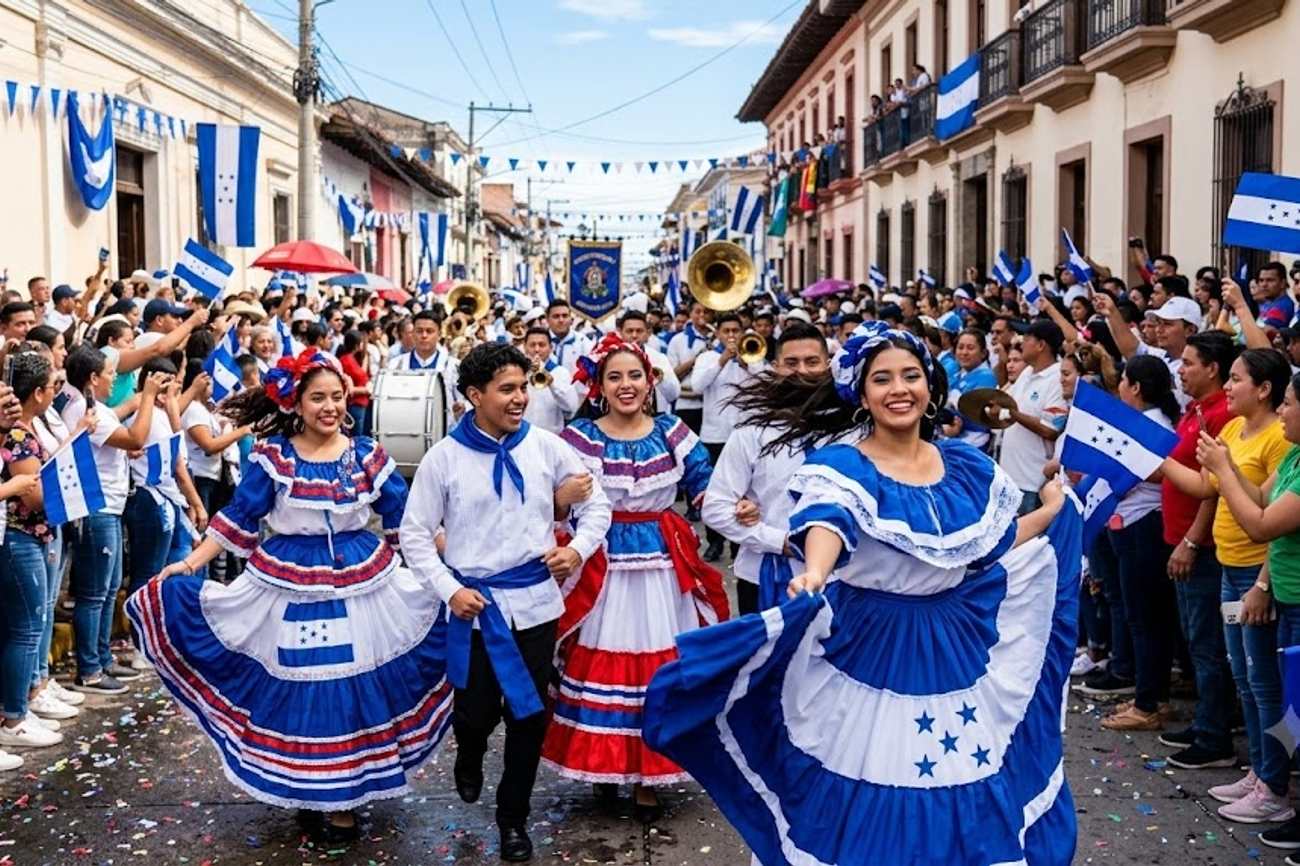
Image generated by AI
205 years of sovereignty will be the central theme on 15 September 2026, as Honduras marks its independence from Spanish rule. This anniversary transforms the nation's urban centers into massive civic theaters, shifting the country's logistical rhythm from commercial activity to patriotic display. For the international traveler, this date represents a total pivot in accessibility; while government offices and businesses shutter, the public squares and arterial roads become the primary sites of cultural exchange.
The Logistical Friction of National Pride
The celebration of Independence Day is not a centralized tourist event but a systemic national pause. Because the date is a formal public holiday, the operational capacity of the country's infrastructure drops significantly. Government agencies, banking institutions, and a vast majority of private sector businesses cease operations. This creates a paradoxical environment where the streets are at their most crowded, yet the formal services travelers typically rely on—such as currency exchange or administrative offices—are unavailable.
In Tegucigalpa, the capital, the scale of the celebration creates significant transit volatility. The city serves as the epicenter for national parades, meaning the primary corridors used for daily commuting are repurposed as parade routes. This results in widespread road closures and the implementation of diversions that affect all modes of transport, including taxis and public buses. For those attempting to navigate the capital, the standard travel time is no longer a reliable metric; the presence of marching bands and civic groups effectively freezes traditional traffic patterns.
Urban Impact and Climate Variables
The celebrations are concentrated in the two primary economic hubs, though the nature of the disruption varies by city. In San Pedro Sula, the industrial heart of the country, the civic focus centers on First Street. The scale of participation here is substantial, with more than 20 educational institutions scheduled to parade. This concentration of people in a specific corridor necessitates heightened security arrangements and strict traffic control.
Beyond the logistical hurdles, environmental factors play a decisive role in the traveler's experience. The climate in San Pedro Sula on 15 September is characterized by extreme heat, with forecasts indicating temperatures reaching 37°C. This thermal stress, combined with the density of crowds, transforms a simple viewing experience into a health consideration. The lack of shaded infrastructure along many parade routes means that heat exhaustion is a legitimate risk for those not acclimated to the tropical climate.
| City | Primary Focus | Key Logistical Constraint | Environmental Risk |
|---|---|---|---|
| Tegucigalpa | National Parades/Civic Groups | Widespread road closures & diversions | High crowd density |
| San Pedro Sula | First Street / 20+ Institutions | Concentrated corridor congestion | 37°C peak temperatures |
| Rural Towns | Local Folk Dance/Flag Ceremonies | Reduced commercial services | Variable local access |
Expert Analysis: The Socio-Economic Engine of the Parade
To the untrained eye, the Independence Day parades are mere spectacles of music and color. However, from a structural perspective, these events are a critical manifestation of Honduran social cohesion and youth investment. The "palillonas" (baton twirlers) and school marching bands are not merely performing; they are the result of weeks of disciplined preparation and community funding.
For travelers booking trips during this window, the direct consequence is a shift in the "service economy." While high-end hotels may remain operational, they often do so with skeleton crews. The pricing pressure this creates is usually seen in the informal sector; local vendors selling baleadas, tamales, and cassava-based dishes see a massive spike in demand, which can lead to longer wait times and localized price fluctuations.
The reliance on school-aged performers also means that the "peak" of the activity is strictly timed to the morning and early afternoon. Anyone arriving in the city centers after 2:00 PM may find themselves in a "ghost town" effect—where the roads are still closed or littered with debris, but the primary attractions have departed. The strategic window for engagement is narrow. For those seeking an authentic experience, the value lies in the periphery—the smaller towns where the Honduras Tourism Board often highlights more intimate, less congested celebrations that maintain the same patriotic fervor without the capital's gridlock.
Furthermore, the ubiquity of the blue-and-white national colors serves as a visual indicator of the day's gravity. In a region where geopolitical stability can fluctuate, these celebrations act as a unifying force. For the traveler, observing this through the lens of the International Air Transport Association (IATA) guidelines on travel during national holidays, it is clear that "buffer time" is the most valuable asset. A trip between Tegucigalpa and San Pedro Sula on this day should be treated as a high-risk logistical maneuver rather than a routine transit.
Key Takeaways
- Complete Service Shutdown: Expect all government offices, banks, and most businesses to be closed on 15 September 2026.
- Transit Paralysis: Major road closures in Tegucigalpa and San Pedro Sula (specifically First Street) will make standard vehicle movement nearly impossible during parade hours.
- Thermal Hazards: San Pedro Sula temperatures are expected to hit 37°C; hydration and sun protection are mandatory for parade attendees.
- Youth-Driven Schedule: The primary events are school-led; arriving early is essential as activities peak in the morning and taper off by mid-afternoon.
- Informal Economy Shift: Rely on street vendors for food (baleadas and tamales) as formal dining options may operate with reduced staff or limited hours.
FAQ: Honduras Independence Day 2026
Will public transportation operate on September 15? Buses and taxis will run, but routes will be severely altered due to road closures in Tegucigalpa and San Pedro Sula. Expect significant delays and be prepared to walk long distances to reach your destination.
Are the Independence Day parades free for tourists? Yes, the celebrations are nationwide civic events and are free to the public. There are no tickets required to watch the school bands or cultural performances in the streets.
What should I wear to the celebrations? Given the 37°C forecast in San Pedro Sula, wear lightweight, breathable clothing and comfortable walking shoes. Sunscreen and a hat are highly recommended due to the limited shade along parade routes.
Can I find ATMs or banks open during the holiday? Most banks and government offices are closed. Ensure you have sufficient cash in local currency before September 15, as ATM availability may be limited or machines may be inaccessible due to crowds.
A journey into the heart of Honduran identity requires more than a passport; it requires a strategic plan for the heat and the crowds.
#HondurasIndependence2026 #TegucigalpaLogistics #SanPedroSulaTravel #HonduranCivicCulture #September15Honduras
Related Travel Guides
Disclaimer
This article is for informational and educational purposes only. It does not constitute legal, financial, or professional advice. While we strive to provide accurate and up-to-date information, travel policies, regulations, and conditions change rapidly. Always verify information with official sources before making travel decisions. Nomad Lawyer makes no representations about the accuracy, reliability, completeness, or suitability of the information provided. Readers should consult qualified professionals for advice specific to their circumstances. The views expressed in this article are those of the author and do not necessarily reflect the views of Nomad Lawyer.
Kunal K Choudhary
Co-Founder & Contributor
A passionate traveller and tech enthusiast. Kunal contributes to the vision and growth of Nomad Lawyer, bringing fresh perspectives and driving the community forward.
Learn more about our team →