
Ho Chi Minh City Gastronomy Report 2026: Street Food and Signature Festivals Drive Tourism Surge
Ho Chi Minh City is asserting its supremacy as a global gastronomic hub, with award-winning culinary festivals and signature street food driving a major surge in international tourism for 2026.

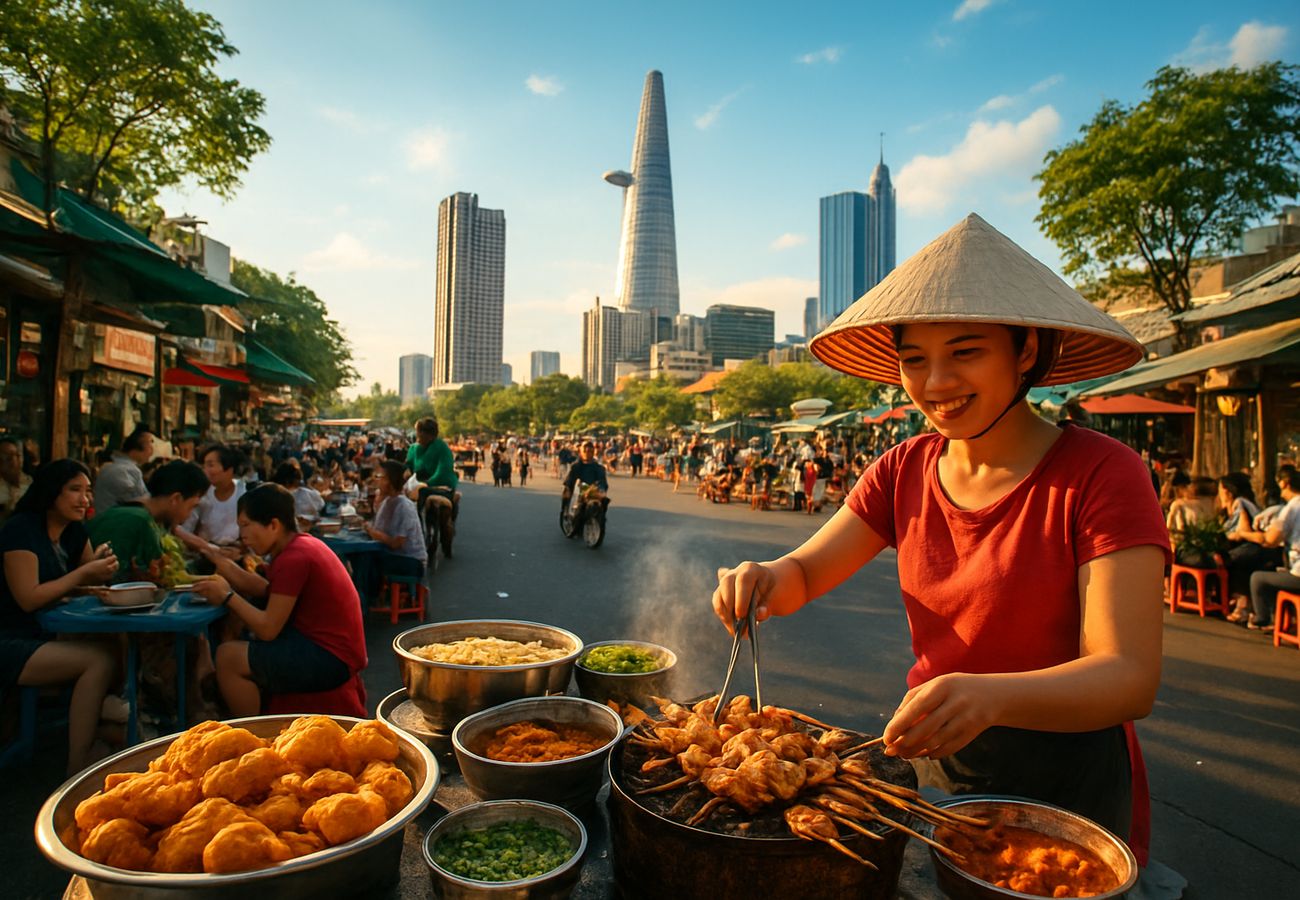
Image generated by AI
Quick Summary
- Strategic Hub: Ho Chi Minh City (HCMC) is being positioned as Southeast Asia’s premier gastronomic capital, with food becoming the central driver for international travel decisions.
- Award-Winning Festival: The Saigontourist Group Culinary Culture and Delicacies Festival (held late March) has been named the “World’s Best Culinary Festival” for multiple years.
- Global Icons: Pho and Banh Mi remain the primary culinary draws, successfully transitioning from humble street foods to international symbols of Vietnamese culture.
- Signature Events: The city hosts dedicated events including the Vietnam Banh Mi Festival, Pho Day, and the Vietnamese Rice Noodle Festival.
- Experiential Innovation: New tourism programs like “Vespa Le La” street food tours and double-decker dinner cruises are integrating dining with urban exploration.
- Market Insight: Vietnamese travelers are among Asia’s most active culinary tourists, and HCMC is capturing this regional demand through specialized "food-first" itineraries.
- Source: Ho Chi Minh City Department of Tourism and World Culinary Awards data as of May 7, 2026.
Ho Chi Minh City (HCMC) has successfully leveraged its deep-rooted street food traditions to become a globally recognized gastronomic hub in 2026. On May 7, 2026, official reports emphasized the city's role as a convergence point for international food enthusiasts, fueled by a multi-layered culinary strategy. By elevating traditional staples like Pho and Banh Mi into world-class branding assets and hosting the "World’s Best Culinary Festival," HCMC is effectively converting gastronomic interest into significant international arrival growth. Innovative experiential offerings—ranging from motorcycle-based street food journeys to luxury dinner cruises on the Saigon River—are ensuring that the "Saigon experience" is both authentic and high-value. As the city continues to expand its festival calendar and integrate digital platforms for food exploration, Ho Chi Minh City is setting a new standard for culinary tourism in Southeast Asia, proving that gastronomy is the ultimate tool for sustainable tourism development.
Ho Chi Minh City Culinary Tourism: Signature Events and Signature Assets
The following table summarizes the primary festivals and culinary icons driving Ho Chi Minh City’s tourism growth as of May 7, 2026.
| Event / Asset | Strategic Status | Key Recognition | Primary Impact |
|---|---|---|---|
| Saigontourist Culinary Festival | Flagship Annual Event | World’s Best Culinary Festival | Global Media Exposure |
| Vietnam Banh Mi Festival | Signature Celebration | Global Food Symbol | Street Food Elevation |
| Pho Day | Heritage Event | National Icon | Cultural Resilience |
| Rice Noodle Festival | Niche Culinary Event | Chef Showcase | Diversity Awareness |
| "Vespa Le La" Tours | Experiential Tourism | High-Engagement | Street Food Mobility |
| Pho & Banh Mi | Core Culinary Pillars | International Recognition | Inbound Demand Driver |
| Saigon Dinner Cruises | Luxury Experience | High-Value Segment | Urban Scenic Dining |
Gastronomic Hub Strategy: Food as the Central Pillar of HCMC Tourism
The HCMC Department of Tourism has recalibrated its long-term strategy to prioritize food:
- Food-First Itineraries: Research shows that culinary experiences are now the #1 factor driving travel decisions for visitors from Australia, Europe, and Northeast Asia.
- Convergence Point: The city is being marketed as the "convergence point" where regional Vietnamese flavors meet international fine dining innovation.
- Economic Impact: The culinary sector is contributing an increasing share of tourism-related GDP, supporting thousands of small street food vendors and luxury hospitality brands alike.
Global Icons: The Role of Pho and Banh Mi in National Branding
HCMC’s two most famous dishes have become the definitive faces of its tourism brand:
- The Pho Factor: Celebrated for its light, clear broth and fresh herb infusions, HCMC-style Pho is a primary driver for heritage-focused travelers.
- Banh Mi Elevation: The transition of Banh Mi from a simple baguette to a global sensation has been supported by the annual Banh Mi Festival, showcasing both traditional and innovative fillings.
Flagship Festivals: Saigontourist Culinary Festival and World Culinary Awards
The city’s events are now recognized at the highest levels of global tourism:
- World’s Best Title: The Saigontourist Group Culinary Culture and Delicacies Festival has consistently secured titles from the World Culinary Awards, attracting thousands of international food critics and travelers.
- International Ambition: Organizers are planning to take the festival international, establishing HCMC-branded culinary showcases in key global capitals to drive future inbound traffic.
- Cultural Integration: Festivals now include folk games, traditional craft exhibitions, and cultural performances, providing a multi-dimensional view of Vietnamese heritage.
Diversifying the Palette: From Rice Noodle Festivals to Banh Mi Celebrations
HCMC is expanding its culinary portfolio to include specialized segments:
- Rice Noodle Festival: Focuses on the incredible variety of rice-based dishes like hủ tiếu and banh tam, providing a platform for local chefs to showcase specialized expertise.
- Signature Events: Dedicated days for Pho and Banh Mi ensure that these "global icons" receive sustained marketing attention throughout the year.
Experiential Dining: Vespa Tours and Double-Decker Dinner Cruises
Innovative tour formats are making the city’s food scene more accessible:
- Vespa Street Food Journeys: These tours allow visitors to navigate the city’s hidden alleys and bustling markets, offering an "insider" view of local street food culture.
- Saigon Coastal Experience: Combines the city’s riverside beauty with high-end dining, targeting the luxury and business traveler segments.
- Dinner Cruises: Double-decker bus tours combined with evening cruises offer a 360-degree urban exploration experience that prioritizes gastronomy.
Market Resilience: HCMC as a Convergence Point for Global Food Enthusiasts
The city’s culinary appeal is attracting a diverse and resilient traveler profile:
- Regional Demand: Vietnamese and broader Asian travelers are identifying as "culinary tourists," seeking authentic food production processes and cooking classes.
- Luxury vs. Street: HCMC is unique in its ability to simultaneously attract luxury foodies seeking Michelin-standard dining and budget-conscious backpackers chasing the best $1 banh mi.
- Global Connectivity: Improved air links and visa facilitation are making it easier for European and American travelers to visit the city specifically for food-themed vacations.
Conclusion: Redefining the Travel Experience Through Vietnamese Gastronomy
The May 7, 2026, report on Ho Chi Minh City gastronomy confirms that the metropolis has successfully turned its culinary heritage into its most powerful tourism engine. By combining world-class festivals with a commitment to preserving traditional street food culture, HCMC is providing travelers with an "authentic and immersive" experience that goes beyond sightseeing. As the city continues to modernize its service infrastructure and expand its global culinary footprint, its reputation as Asia's defining gastronomic hub is set to endure. For travelers in 2026, HCMC is not just a destination to see—it is a destination to taste, offering a rich and ever-evolving tapestry of flavors that celebrate both Vietnam’s storied past and its vibrant future.
FAQ: Ho Chi Minh City Culinary Tourism 2026
What is the most famous food festival in Ho Chi Minh City? The Saigontourist Group Culinary Culture and Delicacies Festival, typically held in late March, is the flagship event and a multiple-time winner of "World's Best Culinary Festival."
What are the must-try dishes in HCMC for international travelers? Pho (noodle soup) and Banh Mi (Vietnamese sandwich) remain the iconic signatures that define the city's food scene.
Are there specialized food tours in the city? Yes, the "Vespa Le La" tours are highly popular for exploring the street food scene, alongside river-based dinner cruises.
Related Vietnam Tourism Reports
Disclaimer
This article is for informational and educational purposes only. It does not constitute legal, financial, or professional advice. While we strive to provide accurate and up-to-date information, travel policies, regulations, and conditions change rapidly. Always verify information with official sources before making travel decisions. Nomad Lawyer makes no representations about the accuracy, reliability, completeness, or suitability of the information provided. Readers should consult qualified professionals for advice specific to their circumstances. The views expressed in this article are those of the author and do not necessarily reflect the views of Nomad Lawyer.
Kunal K Choudhary
Co-Founder & Contributor
A passionate traveller and tech enthusiast. Kunal contributes to the vision and growth of Nomad Lawyer, bringing fresh perspectives and driving the community forward.
Learn more about our team →