
Mexico, Colombia, Peru, and Argentina Drive Cultural Tourism Surge During Hispanic Heritage Month 2026
As Hispanic Heritage Month sparks a global movement toward experiential cultural travel, key destinations including Mexico City, Bogotá, Cartagena, Lima, Cusco, and Buenos Aires showcase ancestral traditions, world-class gastronomy, and vibrant heritage itineraries.

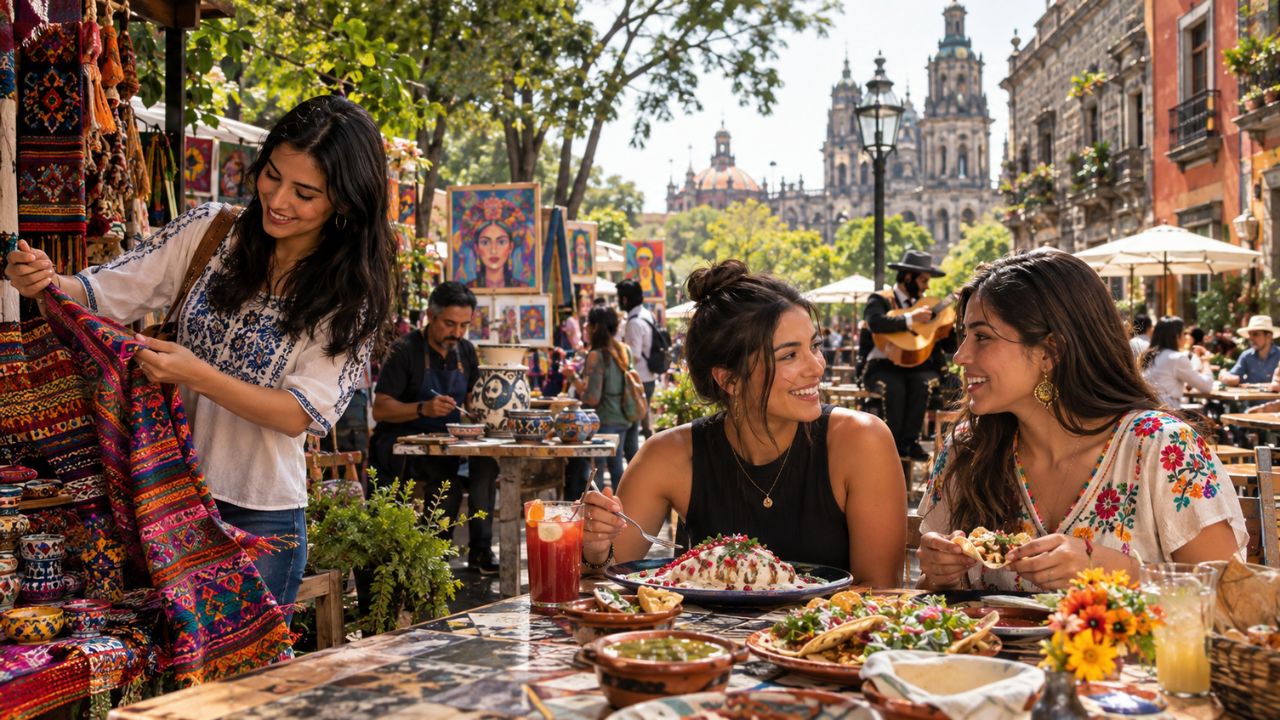
Latin American capitals experience a major surge in cultural travel and ancestral culinary tours during Hispanic Heritage Month 2026.
Global travel patterns are undergoing a profound evolution toward immersive, heritage-driven journeys that connect international visitors with local traditions, living history, and regional gastronomy. Nowhere is this transformation more pronounced than across Latin America during Hispanic Heritage Month—observed annually from mid-September to mid-October. Led by cultural powerhouses including Mexico, Colombia, Peru, and Argentina, the region is welcoming a major surge in international arrivals seeking ancestral culinary tours, architectural exploration, and authentic artisan encounters during South America's mild spring transition.
The shift toward experiential cultural tourism reflects changing consumer priorities across major source markets in North America, Europe, and Asia. Rather than focusing solely on static landmark visits, modern long-haul and regional travelers are building travel itineraries around interactive street art tours, indigenous craft workshops, and deep-dive culinary explorations. Hispanic Heritage Month provides an optimal window for this travel segment, offering mild seasonal weather in high-altitude Andean capitals alongside specialized festival programming, curated seasonal menus, and institutional exhibitions.
Latin America Cultural Tourism Breakdown 2026
To help travelers plan multi-destination Latin American itineraries, the table below highlights key cultural hubs, top heritage landmarks, primary culinary experiences, and ideal seasonal travel windows across participating nations.
| Country | Key Destination Hubs | Heritage & Architectural Landmarks | Signature Gastronomy & Culinary Highlights | Optimal Travel Window |
|---|---|---|---|---|
| Mexico | Mexico City, Condesa | Museo Casa Kahlo, Palacio de Bellas Artes, Art Deco Districts | Chile en Nogada, Artisanal Mezcal, Ancestral Taco Tours | Sep – Oct (Spring Transition / Mild Weather) |
| Colombia | Bogotá, Cartagena | 16th-Century Colonial Walls, Museo Botero, Historic Plazas | Ajiaco Stew, Coastal Ceviche, Coconut Rice & Plantains | Sep – Nov (Warm Coastal, Cool Andean) |
| Peru | Lima, Cusco, Sacred Valley | Inca Stone Masonry, Historic Colonial Balconies, Inti Raymi Sites | Citrus-Cured Ceviche, Chifa Fusion, Ancestral Textiles | Sep – Nov (Dry Highland Season Ends) |
| Argentina | Buenos Aires, San Telmo | Teatro Colón, Neoclassical Avenues, Fileteado Art | Asado Barbecue, Mendoza Malbec, Alfajores with Dulce de Leche | Sep – Nov (Spring Blossom Season) |
Mexico City: Art Deco Elegance and Ancestral Gastronomy
In Mexico City, the celebration of Hispanic Heritage Month manifests through dynamic neighborhood culture, historic art institutions, and deep-rooted culinary arts. In tree-lined neighborhoods like Condesa and Roma, visitors encounter preserved Art Deco residential architecture housing contemporary galleries, boutique hotels, and independent design studios.
Cultural travelers prioritize stops at Coyoacán's Museo Casa Kahlo and the iconic Palacio de Bellas Artes in the historic center, where visual art bridges revolutionary history with contemporary expression. Gastronomy remains a central pillar of Mexico City's appeal during early autumn:
- Seasonal Delicacies: Restaurants across the capital highlight Chile en Nogada—a symbolic dish featuring poblano chilies stuffed with picadillo, topped with walnut cream sauce and pomegranate seeds representing the national colors.
- Taco and Mezcal Itineraries: Guided street-food explorations in historic quarters provide educational context on ancient corn nixtamalization techniques paired with small-batch agave mezcals from Oaxaca and Michoacán.
Colombia: Caribbean Colonial Charms and Andean Warmth
Colombia offers travelers a striking dual landscape, blending high-altitude Andean urbanism with Caribbean coastal heritage. In coastal Cartagena, green-and-ochre 16th-century fortified city walls enclose cobbled streets lined with flower-laden wooden balconies and lively public squares where traditional Cumbia dance performances take place daily.
In the mountain capital of Bogotá, travelers explore the cobbled alleyways of La Candelaria and visit the acclaimed Museo Botero, home to Fernando Botero's signature sculptural works. Colombia's geographic contrast translates into rich culinary variety:
- Andean Comfort Foods: High in the Andes, travelers savor Ajiaco, a comforting soup prepared with three varieties of native potatoes, shredded chicken, corn on the cob, capers, and local herbs.
- Coastal Caribbean Flavors: Along the northern coast, fresh seafood, coconut-infused rice, and crispy fried green plantains (patacones) dominate local menus.
Peru: Ancient Inca Craftsmanship and Gastronomic Innovation
Peru continues to draw heritage enthusiasts by pairing centuries-old Inca engineering with one of the world's most lauded modern culinary movements. In Cusco and the surrounding Sacred Valley, travelers walk among precision Inca stone masonry and observe living Quechua weaving traditions passed down through generations.
In the coastal capital of Lima, historic plazas with ornate carved wooden balconies serve as the backdrop for groundbreaking culinary innovation:
- Coastal Ceviche: Prepared fresh daily using catch-of-the-day sea bass, red onion, chili peppers, and freshly squeezed key lime juice served alongside sweet potato and giant Andean corn (choclo).
- Chifa Fusion Culture: Travelers dive into Peru's unique Chifa tradition—a century-old culinary fusion combining traditional Cantonese wok techniques with native Peruvian peppers and tubers.
Buenos Aires: Tango Rhythms and Communal Asado Traditions
Argentina's capital, Buenos Aires, presents a distinct blend of European neoclassical urban planning and passionate South American cultural identity. Often referred to as the Paris of South America, the city's grand avenues lead to world-renowned performance spaces like the Teatro Colón.
In bohemian enclaves like San Telmo, street performance flourishes with spontaneous Tango couples dancing on cobblestone plazas. The city's visual landscapes are further defined by Fileteado, a traditional decorative painting technique featuring flowing scrollwork, stylized flowers, and vibrant lettering.
- The Asado Experience: Argentina's dining tradition centers around the long, communal Asado barbecue, where premium beef cuts and grilled provoleta cheese are cooked over open embers and served alongside full-bodied Mendoza Malbecs.
- Artisanal Confections: Neighborhood panaderías provide sweet treats such as alfajores—tender shortbread sandwich cookies filled with rich dulce de leche and coated in dark chocolate or coconut.
Practical Traveler Logistics & Sustainable Travel Guide
Maximizing a cultural journey through Latin America requires thoughtful preparation, respect for local customs, and sustainable travel choices.
Supporting Local Economies and Sustainable Tourism
- Direct Artisan Purchasing: Purchase handwoven textiles, ceramics, and woodcarvings directly from artisan cooperatives in indigenous markets rather than mass-market souvenir stands.
- Neighborhood Accommodation: Stay in locally owned boutique hotels or heritage properties that employ regional staff and preserve historical architecture.
- Farm-to-Table Dining: Choose independent fondas, cevicherías, and neighborhood bistros that source seasonal produce directly from local agricultural networks and coastal fisheries.
Packing Strategy for Microclimates
- Layering for Altitude: High-altitude destinations like Bogotá (2,640m) and Cusco (3,400m) feature cool mornings and sharp temperature drops after sunset. Pack breathable base layers, a fleece, and a packable windproof rain jacket.
- Sun Protection & Footwear: High UV exposure in the Andes demands broad-spectrum sunblock, wide-brim hats, and sturdy walking shoes suited for uneven cobblestones and steep stone ruins.
Frequently Asked Questions
When is the best time to visit Latin America during Hispanic Heritage Month?
The entire period from mid-September to mid-October is ideal. September marks the beginning of spring in South America, offering warm, pleasant weather in Buenos Aires and comfortable sight-seeing conditions in Bogotá, Lima, and Mexico City.
How many days should travelers allocate for a multi-country Latin American itinerary?
A single country trip (such as Mexico City or Peru's Sacred Valley) requires 7 to 10 days. For a multi-destination itinerary spanning two countries (e.g., Colombia and Peru), plan for 14 to 18 days to account for regional flight connections.
Is specialized travel insurance recommended for Andean heritage trips?
Yes. Travelers visiting high-altitude regions like Cusco, the Sacred Valley, or Bogotá should select comprehensive travel insurance policies that include coverage for emergency medical evacuation and altitude-related trip adjustments.
Related Travel Guides
Disclaimer
This article is for informational and educational purposes only. It does not constitute legal, financial, or professional advice. While we strive to provide accurate and up-to-date information, travel policies, regulations, and conditions change rapidly. Always verify information with official sources before making travel decisions. Nomad Lawyer makes no representations about the accuracy, reliability, completeness, or suitability of the information provided. Readers should consult qualified professionals for advice specific to their circumstances. The views expressed in this article are those of the author and do not necessarily reflect the views of Nomad Lawyer.
Raushan Kumar
Founder & Lead Developer
Full-stack developer with 11+ years of experience and a passionate traveller. Raushan built Nomad Lawyer from the ground up with a vision to create the best travel and law experience on the web.
Learn more about our team →