
Experience-Led Travel: Hilton Expands Lifestyle Portfolio in Thailand and Maldives
Hilton adds Andamanda Voyage in Phuket, a heritage hotel in Chiang Mai, and Coco de Mer Maldives to its growing Asia Pacific pipeline.

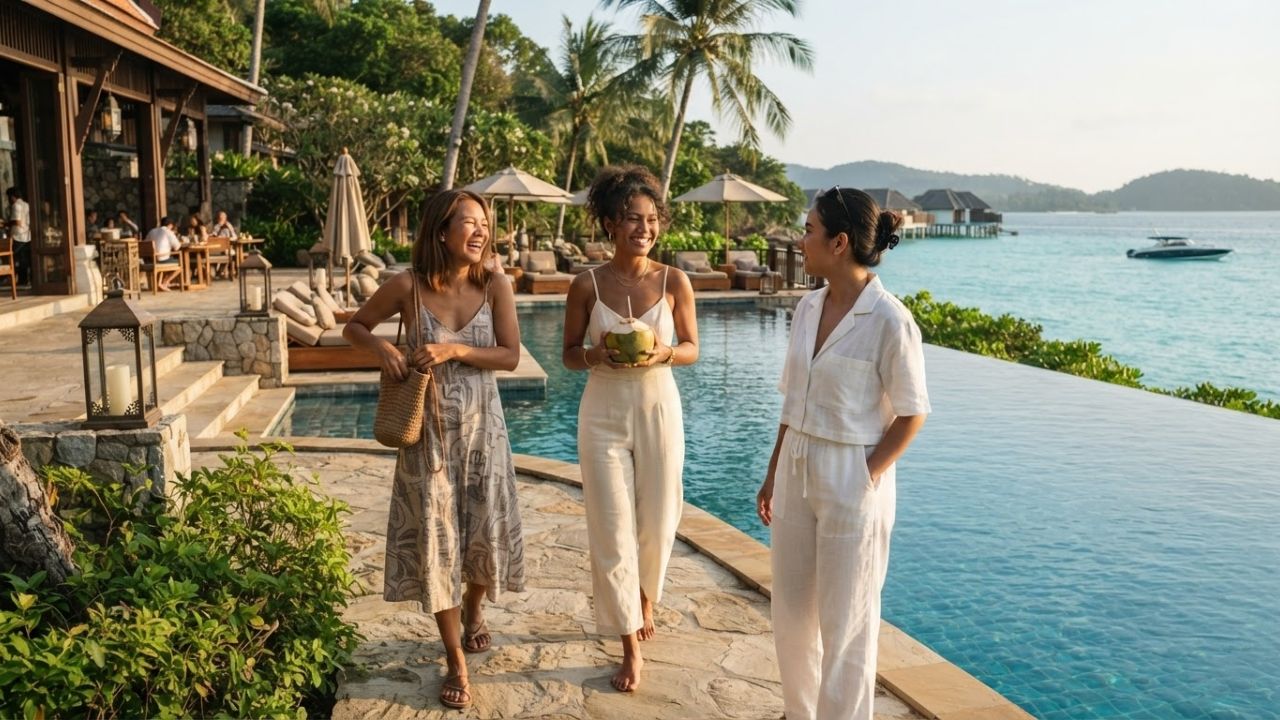
Image generated by AI
Hilton has expanded its luxury and lifestyle hotel strategy in the Asia Pacific region by signing three new properties in Thailand and the Maldives, supporting official destination targets for value-based, sustainable tourism and premium travel experiences in 2026.
The luxury and lifestyle travel sector across the Asia Pacific region is undergoing a significant transition, driven by travelers who prioritize authenticity, local integration, and sustainable operations in 2026. Rather than seeking standardized, cookie-cutter hotel concepts, modern visitors seek properties that reflect the unique architectural and culinary character of their host destinations, fostering deeper cultural exchanges and community connections. To capture this growing market, leading global hospitality companies are accelerating the launch of boutique and lifestyle brands that balance global loyalty networks with individualized property designs. For the visitor, the real impact is a more curated, local experience that connects them directly to local communities and cultural practices.
Hilton’s latest signings in Thailand and the Maldives highlight this shift. The company has announced the addition of three new lifestyle hotels:
- Andamanda Voyage, Curio Collection by Hilton in Phuket, Thailand.
- A new Tapestry Collection by Hilton in Chiang Mai, Thailand.
- Coco de Mer Maldives, Tapestry Collection by Hilton.
These additions support Hilton's long-term goal of expanding its regional footprint to surpass 250 luxury and lifestyle hotels in the Asia Pacific region. By introducing these distinct brands to major leisure hubs, the company aligns its commercial growth with government-led tourism initiatives focused on high-value, sustainable travel, allowing properties to retain their unique personality while leveraging the commercial distribution power of the global brand.
Integrating Resort Hospitality with Phuket's Waterpark District
Scheduled to open at the end of 2026, Andamanda Voyage, Curio Collection by Hilton will mark the debut of the Curio Collection brand in Phuket. The 246-key resort is integrated directly within the Andamanda Waterpark complex in the Kathu District, providing families and leisure travelers with immediate access to retail, dining, and entertainment facilities. Located between major tourist zones, the property allows guests to easily explore Patong, Karon, and the historic Sino-Portuguese architecture of Phuket Old Town.
This launch occurs as Phuket transitions toward quality tourism and sustainable operations. In April 2026, the island hosted the Global Sustainable Tourism Conference, where the Tourism Authority of Thailand (TAT) highlighted Phuket's role in adopting internationally recognized green practices. Hilton is further expanding its premium pipeline in Phuket with the planned 2027 opening of The Rawai Phuket under its LXR Hotels & Resorts brand, offering travelers diverse luxury lodging choices that connect them to the island's marine environment and local fishing villages.
Cultural Preservation in Chiang Mai's Historic Old Town
In Northern Thailand, Hilton is introducing the Tapestry Collection by Hilton to Chiang Mai. Featuring 65 rooms inside a carefully restored heritage building in the historic Old Town, this boutique property focuses on architectural preservation and northern Thai cultural traditions. Its location provides travelers with walking-distance access to ancient temples, traditional street markets, and local dining spots.
This heritage preservation project aligns with Thailand's 2026 quality tourism strategy. In May 2026, the TAT established the Chiang Mai Prototype as the northern model for sustainable destination development, focusing on strengthening local businesses and improving standards across the supply chain. Rather than competing through room volume, this intimate hotel integrates local design and neighborhood storytelling to support the province's transition toward meaningful, culturally rooted travel, directly benefiting local artisans and craftspeople who maintain the region's cultural heritage.
Navigating the Speedboat Entry Corridor to Malé Atoll
In the Indian Ocean, Coco de Mer Maldives, Tapestry Collection by Hilton is scheduled to open in June 2027, marking the brand's debut in the country. The 75-key resort is located just a 25-minute speedboat ride from Velana International Airport in Malé. This close proximity allows visitors to bypass the domestic flights or seaplane transfers required by more remote atolls, reducing travel costs and transit times, which makes short-stay tropical holidays far more practical for international business travelers.
This investment aligns with strong visitor demand in the Maldives, where the Ministry of Tourism and Civil Aviation confirmed that the country welcomed its one millionth visitor of 2026 on June 21, 2026. The government has set an annual target of 2.5 million arrivals for 2026 and has begun promoting the Visit Maldives Year 2027 campaign. The resort features dining venues, a wellness center, sea-sports facilities, and pickleball courts, providing a convenient option for travelers seeking a premium island getaway while supporting local conservation programs in the surrounding marine habitat.
Destination Expert Insider Tips for Thailand and Maldives Travel
To help travelers experience these unique destinations authentically and responsibly, local destination specialists recommend the following practical tips:
- Balance Phuket's Rich Noodles: When dining in Phuket Town, try Hokkien Mee, a stir-fried yellow noodle dish with fresh seafood, pork, and a poached egg. Balance the smoky soy gravy by seasoning it with chili flakes, vinegar, and fresh red onions at local institutions like Mee Ton Poe, which has operated since 1946.
- Time Your Chiang Mai Khao Soi Lunch: The northern specialty Khao Soi—a rich, coconut-curry noodle soup—is traditionally eaten for lunch. Most authentic shops like Khao Soi Khun Yai close by mid-afternoon, so plan your dining schedule accordingly to ensure they do not run out of ingredients.
- Experience Local Maldivian Broth: Ask for Garudhiya, a clear fish tuna broth served with rice, lime, and fresh chilies, at local cafes in Malé. This authentic staple is rarely listed on standard resort menus, but local cafes often have it available.
- Utilize Speedboat Transfers: When visiting resorts near Malé like Coco de Mer, arrange speedboat transfers directly with the hotel in advance. Speedboats operate in most weather conditions, are much cheaper than seaplane journeys, and help reduce travel logistics.
- Respect Temples in Chiang Mai: Dress modestly when visiting sacred Buddhist temples in Chiang Mai's Old Town, ensuring your shoulders and knees are fully covered. Always remove your shoes before entering temple buildings to respect and honor local religious customs and practices.
Regional Tourism Outlook and Sustainable Economic Benefits
The long-term outlook for hospitality expansion in Thailand and the Maldives is positive, supported by national policies that focus on value creation, environmental protection, and community welfare. By integrating local design, employing resident staff, and sourcing food from regional farmers and fishermen, lifestyle hotels help distribute tourism revenue directly to the local economy and communities.
As Thailand implements its 2026 strategy for quality tourism and the Maldives gears up for Visit Maldives Year 2027, these properties demonstrate how international hotel brands can expand their portfolios while preserving the natural environment and cultural heritage of their host communities, ensuring a resilient future for the regional travel industry and generating long-term sustainable growth for local operators across the entire hospitality value chain, showing that corporate success and environmental stewardship are mutually beneficial, proving that international hospitality brands can create meaningful value while expanding their regional footprints in ecological hotspots.
Related Travel Guides
Disclaimer
This article is for informational and educational purposes only. It does not constitute legal, financial, or professional advice. While we strive to provide accurate and up-to-date information, travel policies, regulations, and conditions change rapidly. Always verify information with official sources before making travel decisions. Nomad Lawyer makes no representations about the accuracy, reliability, completeness, or suitability of the information provided. Readers should consult qualified professionals for advice specific to their circumstances. The views expressed in this article are those of the author and do not necessarily reflect the views of Nomad Lawyer.
Kunal K Choudhary
Co-Founder & Contributor
A passionate traveller and tech enthusiast. Kunal contributes to the vision and growth of Nomad Lawyer, bringing fresh perspectives and driving the community forward.
Learn more about our team →