
Minor Hotels Thailand Deploys Oracle OPERA Cloud to Scale Global Hospitality Operations in 2026
Minor Hotels is integrating Oracle OPERA Cloud to modernize guest experiences and streamline operations across its global portfolio of luxury and lifestyle brands.

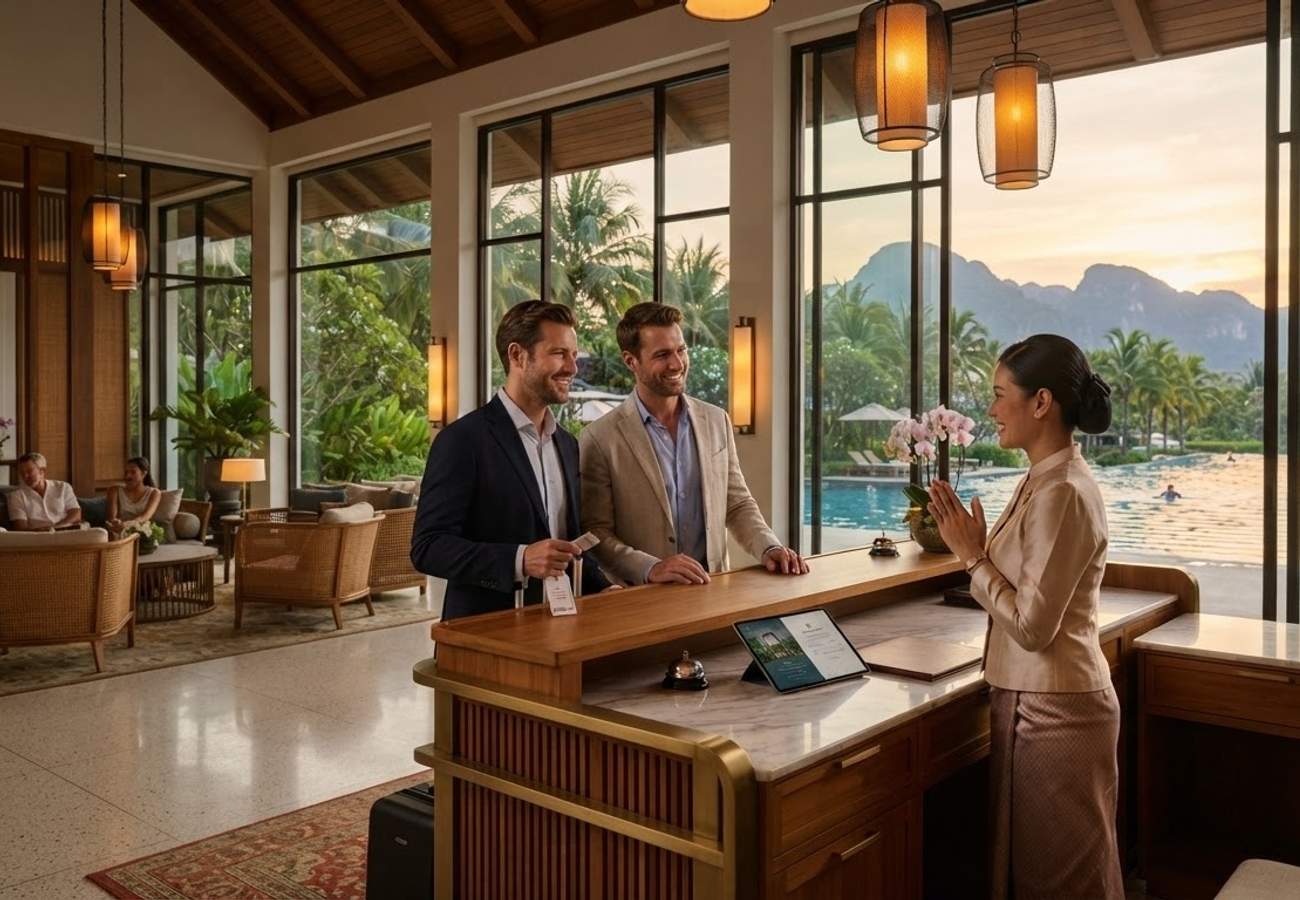
Image generated by AI
Minor Hotels is overhaulilng its international operational framework by deploying Oracle Hospitality’s OPERA Cloud, a move designed to accelerate tourism growth and digitize the guest journey. This strategic shift enables the Thailand-based group to implement hyper-personalized services across its diverse global portfolio.
The transition to a cloud-native environment marks a significant pivot in how the hospitality giant manages its expansive footprint. By moving away from legacy on-premise hardware, the company is positioning itself to meet the evolving demands of the 2026 travel market, where speed, mobile accessibility, and data-driven personalization are the primary drivers of guest loyalty.
Expanding the Global Reach of Minor Hotels
Minor Hotels has established itself as a dominant force in the international lodging sector, managing a vast array of properties across South America, Europe, Africa, the Middle East, and the Asia-Pacific region. The group's operational scale is reflected in its management of several high-profile brands, including:
- Anantara Hotels & Resorts
- Avani Hotels & Resorts
- NH Hotels
- Tivoli Hotels & Resorts
- Oaks Hotels
- Elewana Collection
As the organization continues to acquire and develop new assets, the complexity of managing disparate systems across different time zones and regulatory environments has increased. Industry reports indicate that a unified digital backbone is now a prerequisite for maintaining service consistency. The adoption of Oracle OPERA Cloud provides this necessary cohesion, linking employees, properties, and guests through a single, synchronized platform.
Streamlining Property Management via Oracle OPERA Cloud
The deployment of Oracle OPERA Cloud represents a fundamental change in the technical architecture of Minor Hotels' properties. Unlike traditional property management systems (PMS) that rely on local servers, this cloud-based solution allows for real-time data synchronization across the entire global network.
The platform integrates several critical hotel functions into one interface:
- Reservation Management: Streamlining the booking process to reduce friction and errors.
- Front Desk Operations: Accelerating check-in and check-out procedures.
- Inventory Control: Real-time monitoring of room availability to maximize occupancy.
- Housekeeping Coordination: Direct communication between front-of-house and cleaning staff to ensure room readiness.
- Guest Profile Intelligence: Centralizing data to track preferences and history.
One of the most significant operational advantages is the introduction of mobile access. Staff are no longer tethered to a front-desk terminal; they can access guest data and update room statuses via mobile devices from anywhere on the property. This mobility reduces guest wait times and allows employees to provide a more attentive, proactive level of service.
Elevating the Guest Experience Through Data Personalization
Modern travelers in 2026 expect a seamless transition from the booking phase to the final checkout. Minor Hotels is utilizing the data capabilities of the OPERA Cloud to shift from generic hospitality to "experience-centric" lodging.
By leveraging historical data, the system allows hotels to recognize returning guests and automatically apply their preferences. For example, a guest who previously requested a high-floor room with a specific pillow type or a particular dietary preference at an Anantara property in Asia will find those preferences noted and implemented when staying at an NH Hotel in Europe.
This level of intelligence fosters deeper customer loyalty and encourages longer stays. From a destination perspective, when major operators like Minor Hotels upgrade their tech stack, it elevates the overall competitiveness of the region's tourism offering, making the destination more attractive to high-net-worth international travelers.
Thailand's Strategic Push for Hospitality Innovation
As a primary hub for global tourism, Thailand is under constant pressure to innovate to maintain its market share. The country's appeal—ranging from its cultural heritage sites to luxury beachfront resorts—is being bolstered by a wider industry trend of merging human-centric service with digital intelligence.
The investment by Minor Hotels is indicative of a broader movement within the Thai hospitality sector. The goal is not to replace the "human touch" that Thai hospitality is famous for, but to remove the administrative burdens from staff. By automating routine tasks through the Oracle ecosystem, employees can spend more time engaging with guests and less time managing spreadsheets and manual logs.
A Foundation for AI and Future Scalability
The current transition to OPERA Cloud is not an isolated upgrade but a foundational step toward more advanced technologies. Because the company had a pre-existing relationship with Oracle for its core business systems, the integration of the hospitality cloud was a natural evolution.
This digital infrastructure is specifically designed to support future implementations of Artificial Intelligence (AI) and predictive analytics. With a clean, cloud-based data set, Minor Hotels can begin to implement AI-driven revenue management and predictive guest servicing, allowing them to anticipate needs before the guest even voices them.
The global hospitality industry is currently in the midst of a race toward total digitization. Large-scale groups are prioritizing the removal of operational silos. By consolidating its global operations under a single cloud umbrella, Minor Hotels is reducing the technical debt associated with legacy systems and increasing its agility to enter new markets quickly.
Why This Matters: The Impact on the Modern Traveler
For the average traveler, the "back-end" shift to Oracle OPERA Cloud manifests as a frictionless stay. In the past, a guest might have had to repeat their preferences at every different hotel within the same brand. Now, the "digital shadow" of the guest follows them, ensuring a consistent luxury experience regardless of geography.
From a logistical standpoint, this reduces the likelihood of booking errors and room assignment mishaps. For the digital nomad or the frequent business traveler, the ability to manage their stay via mobile and receive personalized recommendations based on their global travel history adds a layer of convenience that was previously reserved for elite concierge services.
Ultimately, this transformation signals that the future of tourism is not just about the destination, but about the intelligence of the infrastructure supporting the journey.
The integration of cloud intelligence is turning the traditional hotel stay into a personalized data-driven journey.
Related Travel Guides
Disclaimer
This article is for informational and educational purposes only. It does not constitute legal, financial, or professional advice. While we strive to provide accurate and up-to-date information, travel policies, regulations, and conditions change rapidly. Always verify information with official sources before making travel decisions. Nomad Lawyer makes no representations about the accuracy, reliability, completeness, or suitability of the information provided. Readers should consult qualified professionals for advice specific to their circumstances. The views expressed in this article are those of the author and do not necessarily reflect the views of Nomad Lawyer.
Raushan Kumar
Founder & Lead Developer
Full-stack developer with 11+ years of experience and a passionate traveller. Raushan built Nomad Lawyer from the ground up with a vision to create the best travel and law experience on the web.
Learn more about our team →