
Yosemite and Zion National Parks Fall Foliage Guide: 8 Best Hikes for October 2026
Analysis of peak foliage windows and trail logistics for Yosemite and Zion National Parks, highlighting 8 key hikes for autumn 2026 travelers seeking to avoid summer crowds.

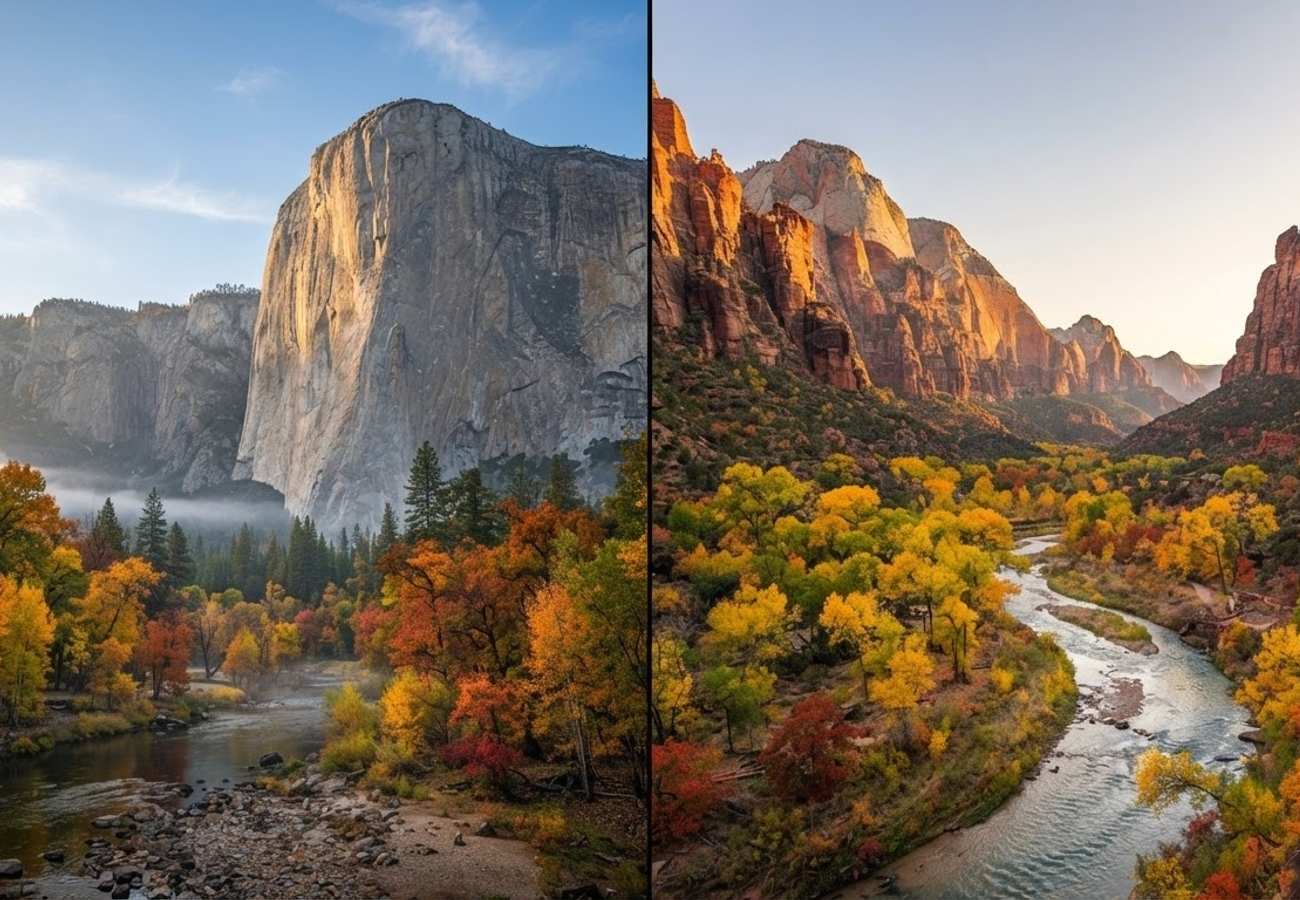
Image generated by AI
Mid-October to early November represents the critical window for autumn foliage in the American West, a period where the biological clock of alpine and desert ecosystems creates a visual contrast that rivals the traditional New England experience. While the East Coast is the standard for "leaf peeping," the intersection of granite monoliths in California and red sandstone in Utah provides a unique geological backdrop for the seasonal shift. For the strategic traveler, this window offers a dual advantage: the peak aesthetic of the changing leaves and a significant reduction in the suffocating crowds typical of the summer peak.
The Alpine Transition: Yosemite National Park
Yosemite's autumn transition is dictated by its extreme elevation shifts. Unlike the synchronized color changes of the East, Yosemite's foliage is staggered. The park is dominated by evergreens, but the valley floor and specific groves act as pockets of intense color. Peak foliage generally arrives between mid and late October.
The logistical appeal of Yosemite in the fall is that the most vibrant colors are often concentrated along the most accessible paths. This allows travelers to experience high-impact visuals without the grueling elevation gains associated with the park's more famous summits.
| Trail Name | Distance | Difficulty | Peak Window | Primary Foliage |
|---|---|---|---|---|
| Cook's Meadow Loop | 1.0 Mile | Easy | Mid to Late Oct | Black Oaks, Black Cottonwoods |
| Mariposa Grove | 2.0 - 7.0 Miles | Easy to Moderate | Late October | Dogwoods, Lower Vegetation |
| Yosemite Valley Loop | 7.2 - 11.5 Miles | Easy to Moderate | Late Oct to Early Nov | Bigleaf Maples, White Alders |
| Mirror Lake Trail | 2.0 - 5.0 Miles | Easy to Moderate | Late October | Pink Dogwoods, White Alders |
The Cook's Meadow Loop serves as the primary entry point for autumn photography, offering a 1.0-mile circuit where yellow and orange hues frame the granite face of Half Dome. For those seeking a more immersive experience, the Yosemite Valley Loop Trail provides a variable distance—ranging from 7.2 to 11.5 miles—that cuts through dense stands of bigleaf maples and white alders.
In the Mariposa Grove, the attraction is not the giant sequoias themselves, which remain green, but the surrounding understory. Between 2.0 and 7.0 miles of trails reveal pink dogwoods and yellow shrubs that contrast against the red bark of the sequoias. Similarly, the Mirror Lake Trail (2.0 to 5.0 miles) remains a top choice even when the water recedes into a meadow, as the white alders and bigleaf maples create a glowing canopy against the canyon walls.
The Desert Contrast: Zion National Park
Zion presents a different botanical challenge. Situated in a desert environment, the park relies on the National Park Service managed corridors of the Virgin River to sustain the deciduous plants that provide autumn color. The contrast here is not between green and gold, but between the fiery reds of the sandstone and the brilliant yellows of the cottonwoods.
Zion's peak foliage typically lags slightly behind Yosemite, extending into early November. This makes it a primary target for travelers extending their autumn journeys into the Southwest.
The Taylor Creek Trail in the Kolob Canyons section is a strategic outlier. Located nearly an hour from the main south entrance, this 5.0-mile round-trip hike avoids the primary tourist bottlenecks. The trail is fueled by Taylor Creek, which supports Gambel oaks and bigtooth maples, creating a palette of reds and oranges framed by 2,000-foot sandstone walls.
Closer to the park center, the Emerald Pools Trails offer a tiered experience. Depending on the chosen path (Lower, Middle, or Upper), distances range from 1.2 to 3.0 miles. Here, the Fremont cottonwoods and boxelders turn a golden yellow by early to mid-November, contrasting with the emerald-colored rock pools. The Pa'rus Trail further complements this by following the river's edge, providing a low-impact way to view the changing colors.
Expert Analysis: The Logistics of Late-Season Visitation
For travelers booking these routes, the direct consequence of the mid-October to early-November window is a shift in the "risk-reward" ratio of National Park travel. The primary risk is the volatility of the peak window; unlike the predictable patterns of the East Coast, Western foliage can be influenced by erratic autumn rainfall and temperature drops.
The pricing pressure this creates means that while lodging within the parks may see a slight dip in demand compared to July, the "shoulder season" often sees a surge in short-term rental pricing around the specific peak dates identified by foliage trackers. To optimize costs, travelers should look toward the International Air Transport Association (IATA) trends for regional flights into Fresno or Las Vegas, which often drop in price as the summer peak ends.
From a legal and logistical standpoint, visiting these parks in the fall requires a different set of permits and preparations. The reduction in crowds does not mean a reduction in regulation. For example, the Kolob Canyons area of Zion is often overlooked, but it requires a different entry strategy than the main canyon. Furthermore, the transition from "Easy" to "Moderate" trails in Yosemite during late October can involve unexpected ice or mud, increasing the liability for unprepared hikers.
The most significant advantage of this timing is the "visual silence." In summer, the sheer volume of visitors at spots like Cook's Meadow or the Emerald Pools creates a chaotic environment. In late October, the biological shift coincides with a demographic shift—the family vacationers leave, and the photography and nature-focused travelers arrive. This creates a higher-quality experience for those who prioritize the environment over the "bucket list" checklist.
Key Takeaways
- Timing is Critical: The peak window for both parks is narrow, spanning from mid-October to early November.
- Yosemite's Palette: Focus on the valley floor (Cook's Meadow) and Mariposa Grove for a mix of gold and pink against granite.
- Zion's Contrast: The red sandstone of the Kolob Canyons and the Virgin River corridors provide the best backdrop for yellow cottonwoods.
- Crowd Avoidance: The Taylor Creek Trail in Zion is the premier choice for those seeking to escape the main canyon's congestion.
- Logistical Shift: Late-season travel offers lower crowd density but requires more flexible scheduling due to variable foliage peaks.
FAQ: Fall Hiking in Yosemite and Zion 2026
When is the absolute best time to see fall colors in Yosemite? Peak foliage typically occurs from mid to late October. The valley floor, featuring black oaks and cottonwoods, is the first to change, while higher elevations may shift slightly later.
Which Zion hike is best for avoiding crowds in autumn? The Taylor Creek Trail in Kolob Canyons is the best option. It is located far from the main south entrance and sees significantly fewer visitors than the Emerald Pools or the Narrows.
Do I need special permits for fall hiking in these parks? While standard entry fees apply, some specific high-demand trails may still require permits. Always check the official National Park Service website for current 2026 regulations before departing.
How does the weather differ for fall hikers compared to summer? Temperatures are significantly cooler, especially in Yosemite's alpine zones. Layered clothing is mandatory, and hikers should be prepared for shorter daylight hours and potential early-season frost.
The true luxury of the American West isn't the destination, but the timing.
Related Travel Guides
Disclaimer
This article is for informational and educational purposes only. It does not constitute legal, financial, or professional advice. While we strive to provide accurate and up-to-date information, travel policies, regulations, and conditions change rapidly. Always verify information with official sources before making travel decisions. Nomad Lawyer makes no representations about the accuracy, reliability, completeness, or suitability of the information provided. Readers should consult qualified professionals for advice specific to their circumstances. The views expressed in this article are those of the author and do not necessarily reflect the views of Nomad Lawyer.
Kunal K Choudhary
Co-Founder & Contributor
A passionate traveller and tech enthusiast. Kunal contributes to the vision and growth of Nomad Lawyer, bringing fresh perspectives and driving the community forward.
Learn more about our team →