
US DOT Final Rule Narrows Airline Delay Reporting Requirements Under 2024 FAA Act
The US Department of Transportation has issued a final rule redefining how airlines report flight disruptions, carving out ten specific uncontrollable events from carrier-caused data.

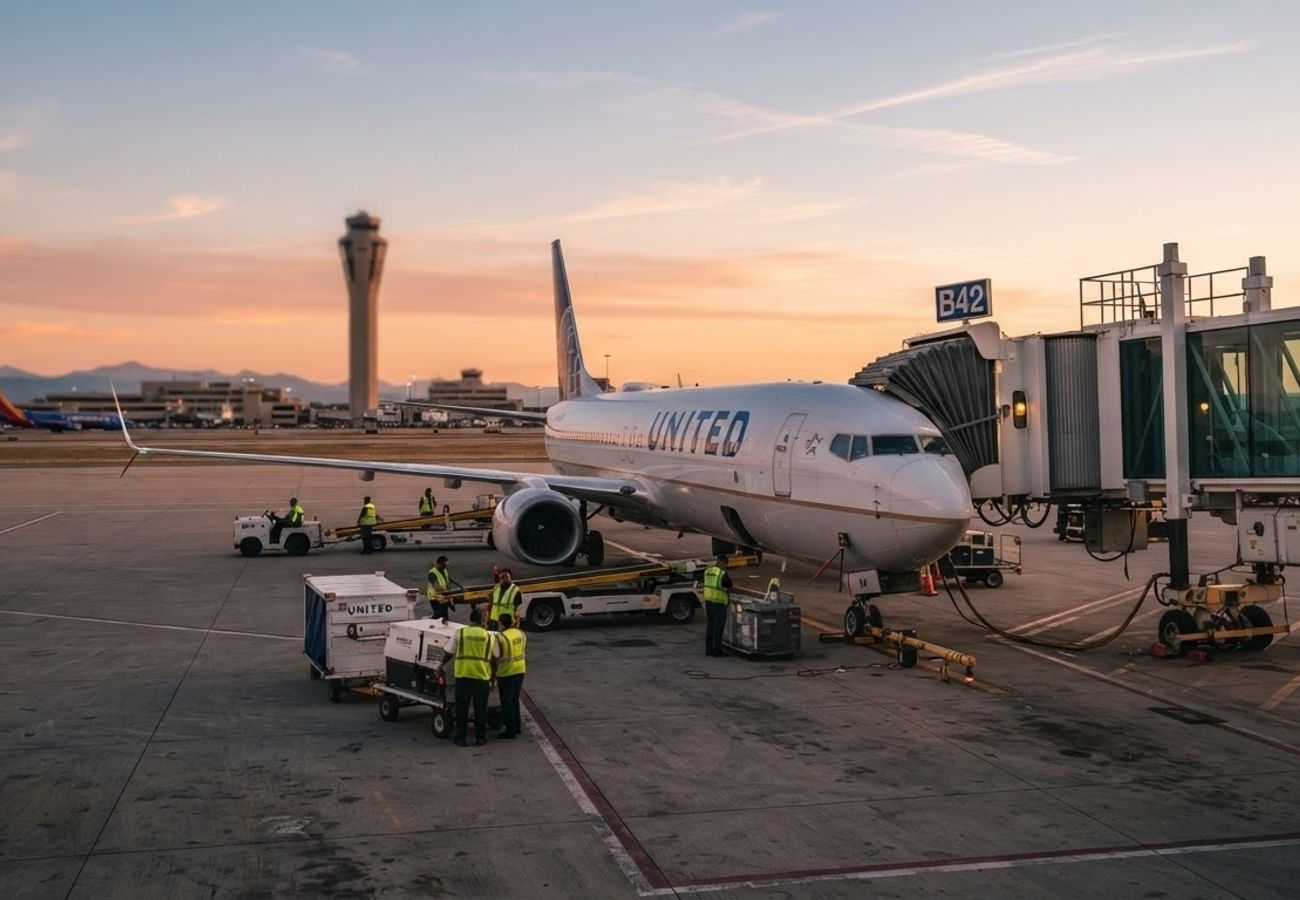
Image generated by AI
A new federal mandate from the U.S. Department of Transportation (DOT) is fundamentally altering how airlines document flight disruptions, effectively reducing the number of delays and cancellations officially attributed to carrier fault. This regulatory shift, published on September 3, 2026, implements specific requirements of the FAA Reauthorization Act of 2024 to ensure that events outside an airline's operational control are no longer logged as "carrier-caused."
The adjustment targets the data submitted to the Bureau of Transportation Statistics, moving ten specific types of disruptions into a newly created reporting category. This move aims to align official government statistics with congressional intent, ensuring that airlines are not unfairly penalized in public performance metrics for systemic issues they cannot influence.
New Regulatory Framework for Flight Disruptions
The final rule, which amends 14 CFR 234.4, creates a distinct reporting silo for events identified by Congress as being beyond the control of air carriers. Previously, many disruptions that did not strictly fit into categories like "Extreme Weather" or "Security" were defaulted into the "Air Carrier" causal code. This broad classification often suggested to the public and regulators that the airline was directly responsible for the failure, even when operational constraints were external.
Under the new guidelines, these ten specified events are now separated from the "Air Carrier" bucket. They will now exist as a standalone category alongside existing classifications, including:
- National Aviation System (NAS)
- Extreme Weather
- Late-arriving Aircraft
- Security
This structural change affects the monthly on-time performance data that all large U.S. airlines are required to file under Part 234. To ensure a smooth transition, the DOT has provided a 45-day window from the Federal Register publication date for airlines to update their internal coding logic, data systems, and quality-control protocols.
Ten Excluded Events and Their Impact on Carrier Data
While the statutory language in Section 511(b) of the FAA Reauthorization Act of 2024 is highly technical, the core objective is to protect airlines from being blamed for air traffic management decisions and specific safety-driven operational constraints. By carving out these ten discrete causes, the DOT is narrowing the definition of what constitutes a "controllable" delay.
Industry observers note that this change addresses a long-standing grievance from airlines, who argued that the previous reporting system overstated their role in systemic failures. By removing these exclusions from the "Air Carrier" code, the volume of disruptions appearing in public datasets as "airline-caused" is expected to drop.
Crucially, these events are not being hidden; they are simply being reclassified. By maintaining visibility in a dedicated category rather than dumping them into a "miscellaneous" group, the DOT preserves transparency regarding the frequency of these disruptions while adhering to the legal carve-outs mandated by Congress.
Interaction With Passenger Refund Rights
It is important to distinguish between how a delay is reported to the government and how it is handled for the passenger. This new reporting rule operates independently of the consumer protection mandates finalized in 2024. Those earlier rules require U.S. airlines to provide automatic cash refunds for canceled flights or significant schedule changes if the passenger declines alternative transport.
The trigger for a passenger's right to a refund is the fact of the cancellation or the duration of the delay, not the internal "causal code" the airline assigns in its DOT report. Whether a delay is coded as "Air Carrier" or falls into the new "uncontrollable" category does not automatically strip a passenger of their right to compensation or rebooking under federal law or specific carrier contracts.
However, the data resulting from this rule will likely influence future legislation. If the new category reveals that a vast majority of delays are caused by systemic infrastructure failures rather than airline mismanagement, policymakers may shift their focus toward upgrading national air traffic systems rather than imposing stricter penalties on carriers.
Shifts in Public Performance Dashboards
The most immediate visible effect of this rule will be seen on the DOT’s public customer service dashboards. These dashboards serve as a primary tool for travelers and media outlets to compare the reliability of different airlines.
Because the "controllable" delay percentage will likely decrease for many carriers, the perceived reliability of some airlines may improve. This could alter the competitive landscape, as carriers often use these statistics in marketing materials to attract passengers.
From a systemic perspective, the new data will allow analysts to pinpoint exactly where the aviation system is failing. By isolating the ten excluded events, the government can better assess if investments are needed in air traffic management or specific safety infrastructure to reduce overall travel friction.
Practical Implications for the Modern Traveler
For the average passenger, this regulatory shift will be largely invisible during the actual travel experience. Gate agents will not announce "causal codes," and boarding passes will not reflect these technical changes. The shift is an administrative correction focused on data integrity and statutory compliance.
However, the long-term effect for the traveler is a more accurate understanding of why flights are delayed. When passengers review federal performance reports, they will see a more nuanced breakdown of disruptions, allowing them to distinguish between a carrier's operational failures and broader systemic issues.
| Reporting Element | Previous Framework | New Final Rule (2026) |
|---|---|---|
| Causal Coding | Broad "Air Carrier" bucket | Separate category for 10 excluded events |
| Data Source | Part 234 Monthly Filings | Part 234 Monthly Filings (Revised) |
| Public Visibility | High "Controllable" percentages | More granular, potentially lower "Controllable" rates |
| Refund Trigger | Based on event/duration | Based on event/duration (Unchanged) |
| Regulatory Basis | General DOT oversight | Section 511(b) FAA Reauthorization Act 2024 |
Why This Matters: The Expert Perspective
For the frequent traveler or the legal professional monitoring aviation law, this rule represents a shift in accountability. By narrowing the definition of "carrier-caused" delays, the DOT is effectively shielding airlines from a portion of the public relations fallout associated with flight disruptions.
From a logistical standpoint, this creates a clearer divide between airline operational efficiency and national infrastructure reliability. If a flight is delayed due to one of the ten excluded events, the "blame" shifts from the airline's boardroom to the federal aviation infrastructure. While this doesn't get a passenger to their destination any faster, it prevents the "weaponization" of data that previously painted airlines as the sole cause of systemic delays. For the consumer, the key takeaway is that while the label of the delay is changing, the legal right to a refund for a significant disruption remains intact.
The aviation industry continues to recalibrate the balance between operational transparency and statutory fairness.
Related Travel Guides
Disclaimer
This article is for informational and educational purposes only. It does not constitute legal, financial, or professional advice. While we strive to provide accurate and up-to-date information, travel policies, regulations, and conditions change rapidly. Always verify information with official sources before making travel decisions. Nomad Lawyer makes no representations about the accuracy, reliability, completeness, or suitability of the information provided. Readers should consult qualified professionals for advice specific to their circumstances. The views expressed in this article are those of the author and do not necessarily reflect the views of Nomad Lawyer.
Preeti Gunjan
Contributor & Community Manager
A passionate traveller and community builder. Preeti helps grow the Nomad Lawyer community, fostering engagement and bringing the reader experience to life.
Learn more about our team →