
161 Deaths Recorded in Great Smoky Mountains National Park Since 2007: Safety Analysis
Analysis of National Park Service data reveals 161 fatalities in Great Smoky Mountains National Park since 2007, with motor vehicle crashes emerging as the leading cause of death.

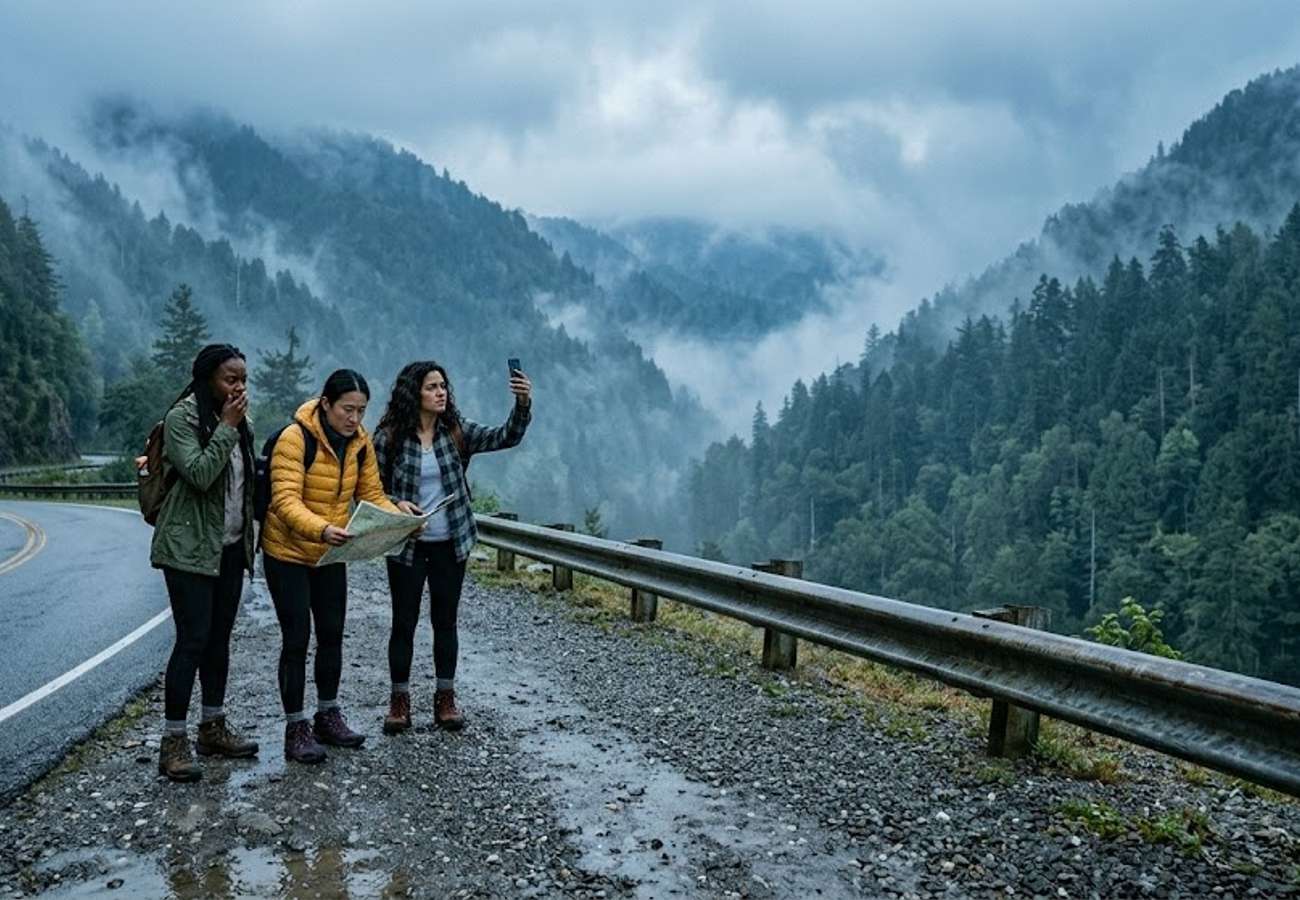
Image generated by AI
The National Park Service (NPS) has released mortality data covering the period from 2007 to January 1, 2026, revealing that 161 people have died within the boundaries of the Great Smoky Mountains National Park. As the most visited national park in the United States, the sheer volume of tourism intersects with challenging geography to create a high-risk environment for unprepared visitors.
The data indicates a significant gender disparity in these fatalities. Men accounted for 108 deaths (approximately 67%), while women accounted for 41 (25%). An additional 7.5% of cases had no recorded gender. While the causes of death are diverse, a concentrated few categories represent the vast majority of the park's tragedies.
Primary Causes of Mortality in the Smokies
The most pressing safety concern is road safety. Motor vehicle crashes are the leading cause of death, accounting for 37% of all fatalities since 2007. This trend has prompted the NPS to implement stricter enforcement and higher fines for speeding vehicles to curb reckless driving.
Other significant risks include suicides and medical emergencies occurring during physical exertion, both of which appear frequently in the mortality logs. Water-related deaths and falls from heights also remain persistent threats due to the park's rugged terrain and unpredictable river systems.
Fatality Statistics by Category (2007 – January 1, 2026)
| Cause of Death | Number of Deaths |
|---|---|
| Motor Vehicle Crash | 60 |
| Suicide | 15 |
| Medical (During physical activity) | 14 |
| Drowning | 13 |
| Undetermined | 24 |
| Medical (Not during physical activity) | 9 |
| Fall | 8 |
Analyzing the Prevalence of Vehicle Accidents
The high rate of traffic fatalities is not accidental but a result of several compounding factors unique to the Smokies' infrastructure and environment.
- Hazardous Topography: The park features hundreds of miles of narrow, steep roads characterized by blind curves and sheer drop-offs.
- Traffic Congestion: High-density corridors, specifically the Gatlinburg Spur and Newfound Gap Road (Highway 441), often experience extreme congestion, increasing the probability of multi-vehicle collisions.
- Environmental Interference: The park's famous "smoke"—a dense mixture of fog and vapor—can reduce visibility to near zero, making navigation treacherous.
- Wildlife and Pedestrians: Frequent crossings by animals and hikers often lead to sudden braking and subsequent rear-end collisions.
- Human Error: Reckless speeding and alcohol-impaired driving remain primary contributors to fatal crashes.
Environmental Hazards: Water and Cliffs
Beyond the roads, the park's natural attractions pose severe risks. The NPS warns that there are no lifeguarded swimming areas, and river levels can rise abruptly, creating dangerous currents and undertows.
Falls from heights are another recurring danger. In March 2025, a 65-year-old woman died after falling from a 60-foot cliff. Park officials note that rocks coated in algae and mist are deceptively slick, turning a short climb into a fatal accident.
High-profile incidents have frequently made national news, such as the 2017 death of a 37-year-old man who fell 80 feet from the top of the Ramsey Cascades waterfall. Even wildlife encounters, though rare, can be lethal; in 2020, a 43-year-old man was killed by a 240-pound black bear in the Hazel Creek area.
Essential Safety Guidelines for Visitors
To mitigate these risks, the NPS urges visitors to adhere to specific safety protocols:
Water Safety
- Avoid climbing rocks near waterfalls.
- Do not dive into streams or pools, as depth is unpredictable.
- Avoid crossing swollen streams after heavy rainfall.
- If caught in fast water, float on your back with feet pointed downstream to avoid foot entrapment.
Road Safety
- Reduce speed on blind curves.
- Remain alert for wildlife and pedestrians.
- Never operate a vehicle while impaired.
- Be aware of increased speeding enforcement, particularly during August.
General Preparedness
- Carry sufficient food and water.
- Wear sturdy, appropriate footwear for the terrain.
- Stay on marked trails to avoid cliff edges and unstable ground.
Safety in the Smokies is a matter of preparation and adherence to established park regulations.
Related Travel Guides
Disclaimer
This article is for informational and educational purposes only. It does not constitute legal, financial, or professional advice. While we strive to provide accurate and up-to-date information, travel policies, regulations, and conditions change rapidly. Always verify information with official sources before making travel decisions. Nomad Lawyer makes no representations about the accuracy, reliability, completeness, or suitability of the information provided. Readers should consult qualified professionals for advice specific to their circumstances. The views expressed in this article are those of the author and do not necessarily reflect the views of Nomad Lawyer.
Preeti Gunjan
Contributor & Community Manager
A passionate traveller and community builder. Preeti helps grow the Nomad Lawyer community, fostering engagement and bringing the reader experience to life.
Learn more about our team →