
Bulgaria Short-Term Rental Market Surges 9.7% in Q1 2026 as European Platforms Drive Digital Tourism Boom
Bulgaria participates in Europe's explosive short-term rental growth, with platforms like Airbnb and Booking driving 144.3 million Q1 stays across the EU—up nearly 10% year-over-year.

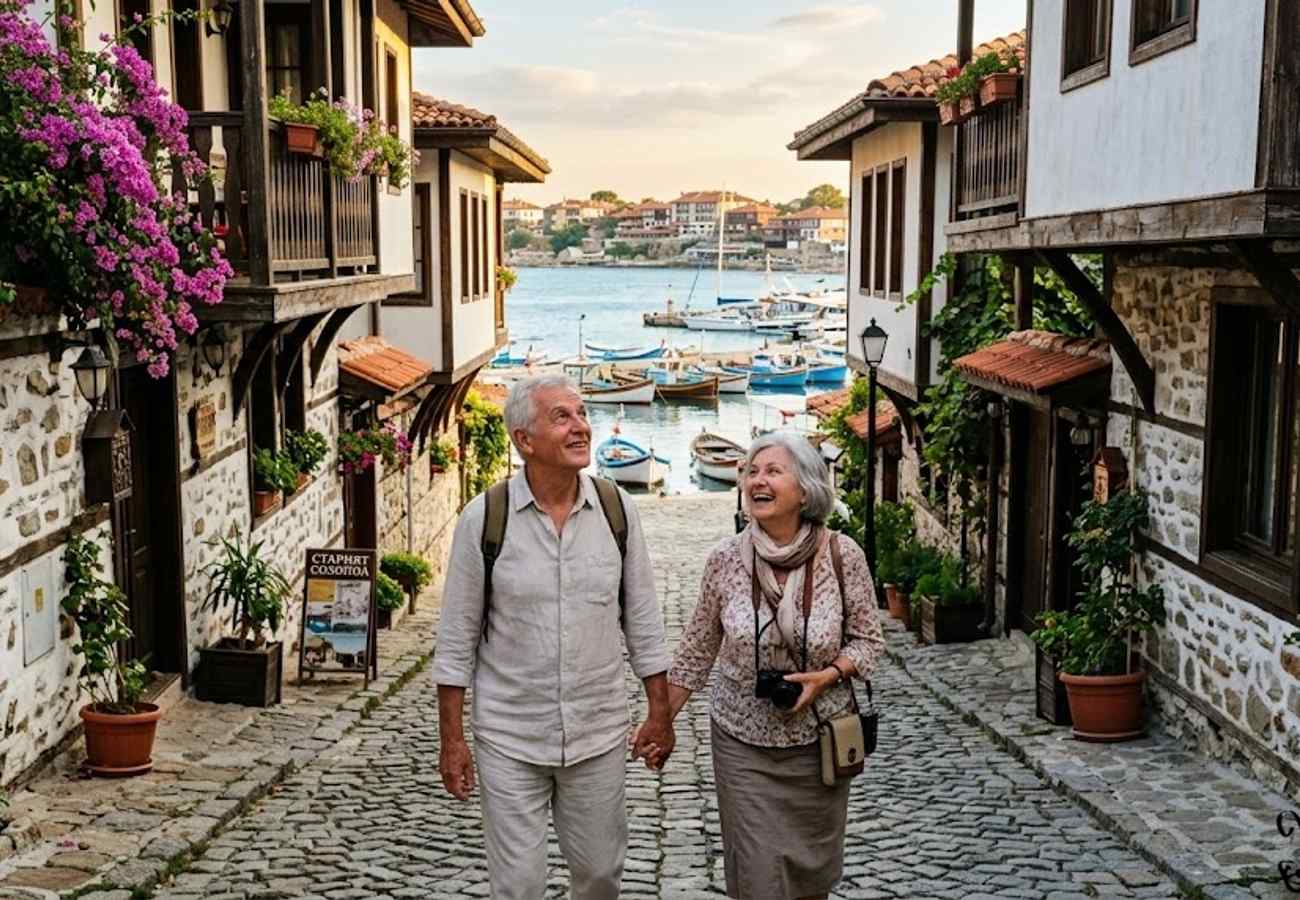
Image generated by AI
I've spent considerable time tracking accommodation shifts across Eastern Europe, and what's happening in Bulgaria right now feels like a genuine inflection point. When I last visited Sofia in early 2026, I noticed something different from previous years: the rental markets along Vitosha Boulevard and in the Lozenets district weren't just busy—they were changing in character. The Eurostat data confirms what I was seeing on the ground: 144.3 million overnight stays across EU short-term rental platforms in Q1 2026, up 9.7% from 2025.
Bulgaria sits in this continental movement, though it's not yet among the headline-grabbers. Malta posted 30.5% growth, Slovenia hit 24.7%, Slovakia 23.5%, and Cyprus 22.3%. But what matters for someone planning to base themselves in Bulgaria is this: the infrastructure is maturing fast, and prices haven't reached the saturation point yet.
Where the Real Action Happens on the Ground
I've walked through the neighborhoods where this boom is most visible. The Black Sea coast—particularly around Burgas and Sozopol—has always drawn tourists, but now I'm seeing conversion of family homes into dual-purpose properties. The coastal town of Sozopol, about 30km south of Burgas, has transformed its old town (the section near the Archaeological Museum) into what's essentially a year-round rental district. You'll find properties listed on Airbnb, Booking, and increasingly on local Bulgarian platforms that undercut the majors by 10-15%.
Sofia's story is different. I recommend focusing on Lozenets and Vitosha districts if you want to understand where digital nomads and remote workers are actually clustering. The 24 tram line that runs down Vasil Levski Boulevard connects these areas to the central business district in under 15 minutes. Properties here—typically 1-2 bedroom apartments—run €600-900/month on annual leases, but short-term platforms are pushing rates toward €40-65/night. The Yuzhen Park neighborhood, just south of the main squares, offers quieter accommodation with direct metro access.
One detail I always mention: the peak tourist season (June-August) inflates prices aggressively. I recommend March-May or September-October if you're looking for both affordability and livable conditions. Winter brings a different crowd—budget travelers and workers testing out remote positions—and landlords often drop rates by 30-40%.
The Regulatory Picture Matters
Bulgaria is actively improving its digital registration systems for short-term rentals, which affects how platforms operate and what protections you actually have as a renter. Unlike some EU countries still wrestling with regulation, Bulgaria's Ministry of Tourism has been clearer about compliance requirements. When booking through Booking.com or Airbnb, verify that the property owner has registered with the local municipality—this protects you if there are disputes over deposits or damage claims.
The shift toward regulatory compliance also means fewer completely unregistered properties, which sounds bureaucratic but actually improves reliability. I've had better experiences with verified owners on major platforms than with unlicensed arrangements.
Real Traveler Perspective
I pulled this from recent discussions in digital nomad communities:
"Skip Sofia's Old Town tourist rentals and look at Lozenets instead. The airbnbs around the Vitosha foothills are 20% cheaper, quieter, and you're actually in a neighborhood where locals eat and work. Plus the 24 tram line is literally free for most expats with residency. The tourist rentals near Alexander Nevsky Cathedral are charging €60/night for the same square footage you'll find for €35 in Lozenets." — r/digitalnomad contributor who spent 6 months in Sofia, 2026
This matters because it reflects what I'm seeing: the growth isn't evenly distributed. Landlords in high-traffic tourist zones (near Rila Monastery approach roads, the main Old Town squares) are capturing the platform boom, while residential neighborhoods offer better value for extended stays.
Practical Visitor Guide
Best Times to Visit: March-May and September-November offer comfortable temperatures (15-22°C), lower prices than summer, and fewer crowds. July-August sees prices increase 40-50% but brings reliability of summer tourism infrastructure. Winter (December-February) drops below freezing but offers the cheapest accommodation and fewest tourists.
Local Safety: Bulgaria ranks well within EU safety standards. Sofia and Burgas are straightforward cities. Avoid isolated ATM transactions late at night and keep valuables inconspicuous—standard urban precautions apply. I've never experienced serious issues in established neighborhoods like Lozenets or downtown Burgas.
Budget Expectations (Monthly):
- Apartment rental (1-2 bedroom, residential area): €450-750
- Short-term platform rental (daily rate): €25-50 (off-season) to €45-75 (peak)
- Local food (street markets, local restaurants): €150-250
- Public transport pass (monthly): €20
- Coworking space (if needed): €80-150/month
Getting Around: Sofia's metro and tram system is reliable and costs roughly €0.80 per ride. The 24-hour pass runs €2.40. Outside Sofia, regional buses connect major towns; book through FlixBus or local operators. Rental cars work well for exploring the Black Sea coast but aren't necessary in cities.
Registration Requirements: If staying longer than 30 days, register with the local immigration office (the form is straightforward, takes 15 minutes). Your landlord often handles this automatically for registered properties. Keep copies of your rental agreement.
The short-term rental boom in Bulgaria isn't just about travelers finding cheaper alternatives—it's about entire neighborhoods recalibrating how they function as places to actually live.
Related Travel Guides
Disclaimer
This article is for informational and educational purposes only. It does not constitute legal, financial, or professional advice. While we strive to provide accurate and up-to-date information, travel policies, regulations, and conditions change rapidly. Always verify information with official sources before making travel decisions. Nomad Lawyer makes no representations about the accuracy, reliability, completeness, or suitability of the information provided. Readers should consult qualified professionals for advice specific to their circumstances. The views expressed in this article are those of the author and do not necessarily reflect the views of Nomad Lawyer.
Raushan Kumar
Founder & Lead Developer
Full-stack developer with 11+ years of experience and a passionate traveller. Raushan built Nomad Lawyer from the ground up with a vision to create the best travel and law experience on the web.
Learn more about our team →