Premium Economy vs Economy: How Much Space You Actually Gain on Long-Haul Flights


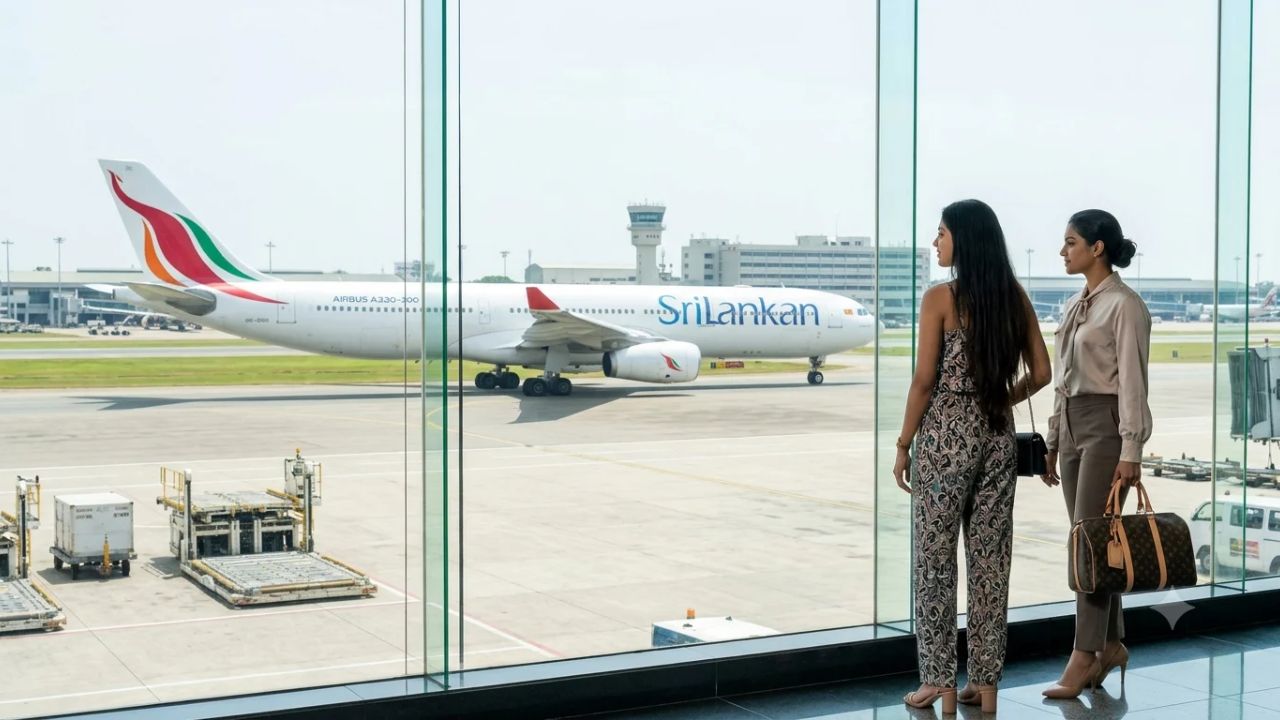
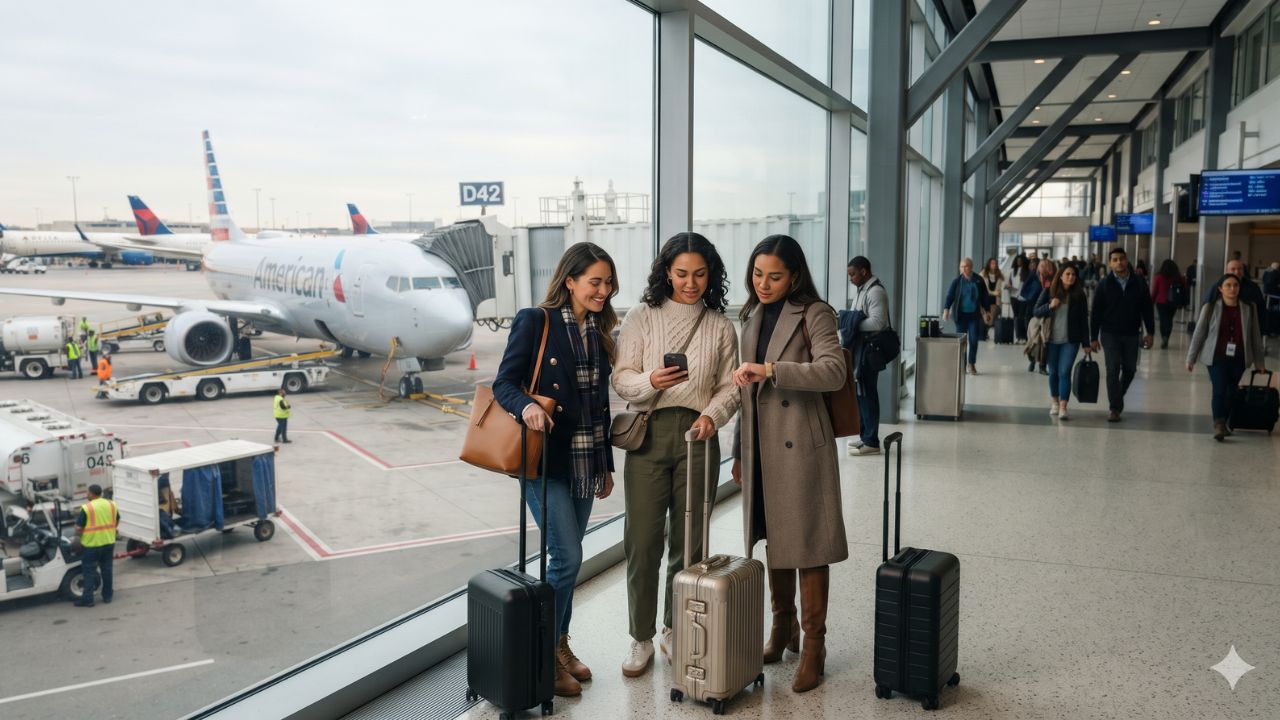
Image generated by AI
Airlines betting big on mid-tier cabins as travelers seek comfort without business-class prices
The Growing Middle Ground in Aviation
A critical shift is reshaping how the global aviation industry operates. Premium economy—the cabin class that sits between economy and business—has evolved from a niche offering into a mainstream revenue driver for international carriers. As fuel costs remain volatile and passenger demand fractures across income levels, airlines are gambling that a spacious middle option will capture lucrative bookings from the expanding premium-conscious demographic.
But the fundamental question persists: exactly how much more comfortable is this intermediate cabin, and does the price premium justify the tangible improvements?
Measuring the Actual Differences
The disparity between premium economy and standard economy extends far beyond marketing rhetoric. Premium economy passengers typically enjoy seat widths ranging from 18 to 20 inches, compared to the cramped 17-17.5 inches standard in economy. Legroom differences prove equally significant—premium economy seats recline to approximately 8 inches with pitches of 38 inches between rows, versus economy's 6-7 inch recline and 31-32 inch pitch.
These measurements translate into genuinely transformative long-haul experiences. A 12-hour transpacific crossing becomes substantially more bearable with 7-8 additional inches of legroom and noticeably wider seating.
Amenities amplify the distinction further. Premium economy passengers receive enhanced bedding, better meal services, priority boarding, and direct aisle access on many aircraft configurations—luxuries entirely absent from the rear cabin.
Market Economics and Airline Strategy
Airlines recognize premium economy as a strategic goldmine. The cabin generates substantially higher revenue per seat than economy while requiring minimal additional aircraft investment compared to business class expansion. As the Middle East carriers and European legacy airlines have demonstrated, premium economy fills a market gap that economy-only configurations—and even business-class-only strategies—cannot capture.
Industry analysts report that premium economy bookings have surged 15-25% annually across major international routes, particularly on flights exceeding 8 hours.
What Travelers Should Know
For passengers considering the upgrade, the decision fundamentally hinges on journey duration, personal comfort requirements, and budget flexibility. Regional flights under 4 hours show minimal value proposition. However, intercontinental routes reveal substantive quality-of-life improvements that many experienced travelers consider genuinely worthwhile investments.
The premium economy phenomenon signals broader industry evolution: rather than a binary choice between budget and luxury, modern aviation now offers genuine middle-ground solutions.
FAQ
How much does premium economy cost compared to standard economy? Premium economy typically costs 30-60% more than economy fares on the same route, depending on the airline, route, and booking timing.
Is premium economy worth it for a 10-hour flight? Most travel experts recommend premium economy for flights exceeding 8 hours, where the additional legroom and comfort meaningfully improve passenger wellbeing and sleep quality.
Which airlines offer the best premium economy cabins? Singapore Airlines, Air New Zealand, and Lufthansa consistently receive top ratings for premium economy products, offering superior seat design and service standards.
Can you upgrade to premium economy at the airport? Yes, many airlines offer standby upgrades at check-in for competitive prices, particularly when premium economy seats remain unsold before departure.
Does premium economy include baggage allowance? Premium economy typically includes higher baggage allowances (2-3 checked bags) compared to economy's standard 1-2 bags, plus larger carry-on dimensions.
Related Travel Guides
This article is for informational purposes. Flight routes, passenger regulations, visa rules, and transit advisories are subject to change by airlines and aviation authorities. Readers are advised to verify schedules and travel documentation with relevant carriers and border agencies before departure.
Related Stories
Brazil Nears 100 Million Air Passengers in 2026 Amid Divergent Global Aviation Growth