
Airbus A350-1000's Staggering Fuel Consumption During Takeoff Reveals Hidden Costs for Airlines
Breaking airline news and aviation industry updates for 2026.

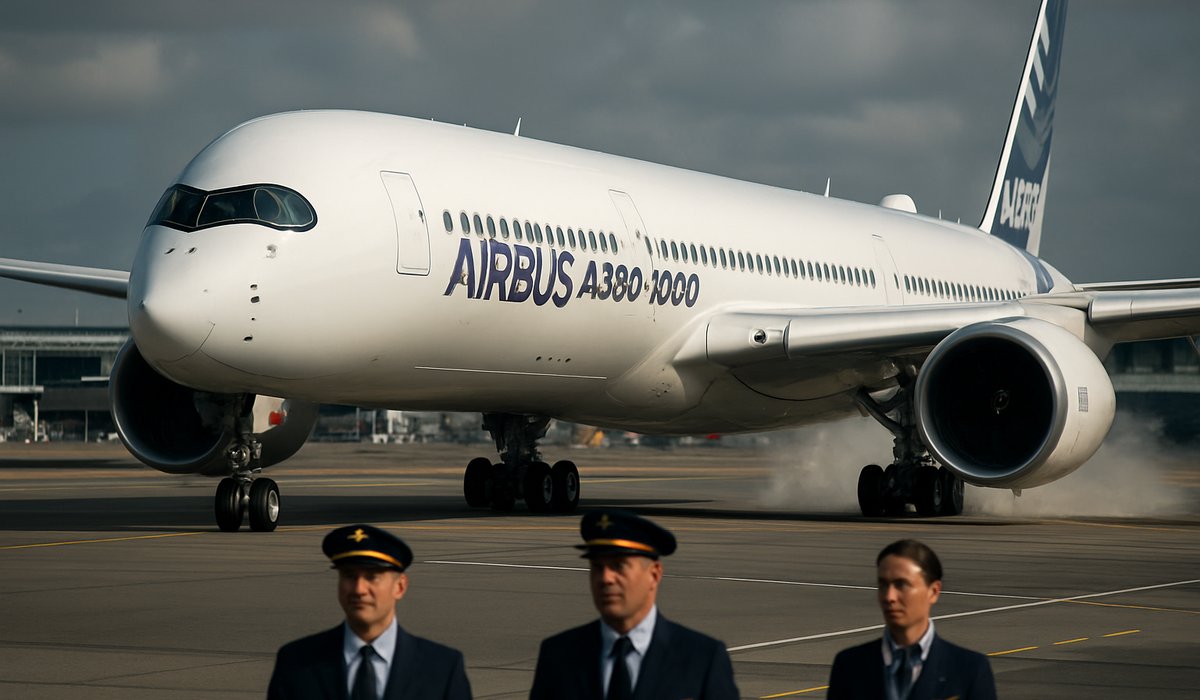
Image generated by AI
Airbus A350-1000's Staggering Fuel Consumption During Takeoff Reveals Hidden Costs for Airlines
Europe's largest twin-engine airliner consumes fuel at dramatically higher rates during departure, raising questions about operational economics for carriers worldwide
The Physics Behind the Premium Fuel Burn
The Airbus A350-1000 stands as Europe's largest active production aircraft, and its sheer scale comes with a notable penalty during takeoff operations. Equipped with twin Rolls-Royce XWB-97 turbofans generating 97,000 pounds of thrust each, the wide-body jet must consume extraordinary quantities of jet fuel to lift its 300-ton-plus airframe off the runway—a requirement that translates into fuel burn rates 25% higher than those experienced during cruise altitude operations.
This disparity between takeoff and cruise fuel consumption underscores a critical operational reality for airlines operating the twin-engine wide-body: every departure incurs substantially elevated jet fuel expenses compared to the relatively efficient long-range flight phases for which the aircraft was engineered.
Aviation Industry Context: Fuel Costs in Focus
The revelation arrives as global aviation continues grappling with volatile jet fuel pricing, exacerbated by geopolitical tensions and energy market instability. For carriers deploying the A350-1000 on high-frequency, short-haul routes or those operating from fuel-constrained airports, the elevated takeoff fuel burn carries direct implications for operational margins and pricing strategies.
Airlines have increasingly passed fuel-related cost pressures onto passengers through baggage charges, fuel surcharges, and ancillary fees—making understanding aircraft fuel consumption patterns essential for both industry analysts and cost-conscious travelers.
Why Takeoff Demands Peak Power
The A350-1000's takeoff fuel consumption premium reflects fundamental aerodynamic and thermodynamic principles. At maximum thrust settings, the Rolls-Royce engines operate at their least efficient point, consuming fuel at rates far exceeding those during cruise, when engines run at significantly reduced power settings. The jet's enormous mass—exceeding 300 tons—demands maximum available thrust for safe runway performance, particularly when departing from high-altitude or hot-weather airports where air density complications reduce engine output.
Broader Implications for Fleet Economics
For airlines evaluating fleet expansion or replacement strategies, the A350-1000's takeoff efficiency profile factors prominently into long-term cost projections. Operators must weigh the aircraft's acclaimed fuel efficiency during cruise operations—among the aviation industry's best—against the elevated expenses incurred during departure phases.
The finding highlights why modern aircraft design increasingly emphasizes cruise optimization, even as takeoff and landing phases remain inherently fuel-intensive operations unavoidable in commercial aviation.
FAQ: Airbus A350-1000 Fuel Consumption Questions
What is the A350-1000's fuel burn during takeoff compared to cruise? The A350-1000 consumes approximately 25% more fuel during takeoff operations than during cruise flight, driven by maximum thrust requirements for safely lifting its 300-ton airframe.
How do elevated jet fuel prices impact airline operations on aircraft like the A350-1000? Higher jet fuel prices directly increase operational costs, prompting airlines to adjust baggage fees, implement fuel surcharges, and optimize route planning to maintain profitability.
Why does the Rolls-Royce XWB-97 consume more fuel at takeoff power settings? Jet engines operate most efficiently at reduced power settings during cruise. At maximum thrust for takeoff, the engines run in their least efficient operating range, consuming significantly more fuel per unit of thrust produced.
Is the A350-1000 still fuel-efficient compared to competitor aircraft? Yes—despite elevated takeoff consumption, the A350-1000 remains among the most fuel-efficient wide-body jets available during cruise operations, offsetting takeoff penalties across typical long-range flight profiles.
How are airlines managing fuel consumption costs on modern fleets? Carriers optimize departure procedures, employ fuel-efficient flight planning software, upgrade to newer aircraft, and increasingly pass fuel-related expenses to passengers through ancillary aviation fees and charges.
Related Travel Guides
Flight Delay Compensation Guide 2026
Understanding Airline Route Changes
Airport Security Process Updated (2026)
External Resources
Disclaimer
This article is for informational and educational purposes only. It does not constitute legal, financial, or professional advice. While we strive to provide accurate and up-to-date information, travel policies, regulations, and conditions change rapidly. Always verify information with official sources before making travel decisions. Nomad Lawyer makes no representations about the accuracy, reliability, completeness, or suitability of the information provided. Readers should consult qualified professionals for advice specific to their circumstances. The views expressed in this article are those of the author and do not necessarily reflect the views of Nomad Lawyer.
Preeti Gunjan
Contributor & Community Manager
A passionate traveller and community builder. Preeti helps grow the Nomad Lawyer community, fostering engagement and bringing the reader experience to life.
Learn more about our team →