
Airbus A350-1000ULR vs Boeing 777X: Which Ultra-Long-Haul Giant Wins the Range Battle?
Breaking airline news and aviation industry updates for 2026.

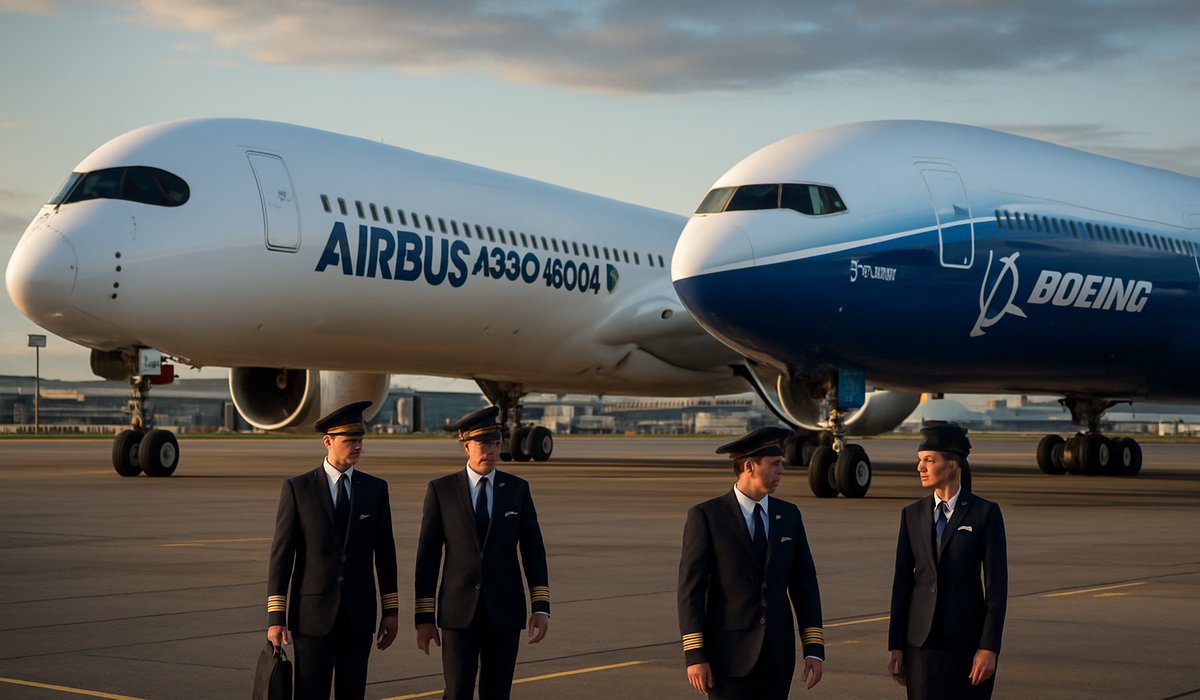
Image generated by AI
Airbus A350-1000ULR vs Boeing 777X: Which Ultra-Long-Haul Giant Wins the Range Battle?
As airlines race to connect the world's most remote city pairs, two aerospace titans unveil competing visions for the future of transoceanic flight
The Ultra-Long-Haul Showdown Reshaping Global Aviation
The commercial aviation industry is witnessing an intensifying competition between Boeing and Airbus as both manufacturers push the boundaries of what's technologically possible in widebody aircraft design. At stake is dominance in the lucrative ultra-long-haul segment—a market that promises to unlock new routes connecting distant continents without requiring intermediate stops.
The Airbus A350-1000ULR (Ultra Long Range) and Boeing's 777X represent the cutting edge of twin-engine widebody engineering, each designed to give carriers unprecedented operational flexibility on the world's most challenging routes. This technological race carries significant implications for airlines seeking to reduce flight times, cut operating costs, and meet growing passenger demand for direct international connectivity.
Understanding Extended Range Capabilities
Ultra-long-haul aircraft have become increasingly critical to airline strategy as fuel efficiency improvements and advanced materials allow manufacturers to design planes capable of spanning greater distances. The A350-1000ULR and 777X both exemplify this evolution, featuring aerodynamic refinements, lighter composite structures, and more efficient engines compared to their predecessors.
The distinction between these two aircraft lies in their specific engineering approaches and the range capabilities each offers. Airlines evaluating these aircraft must weigh factors including fuel consumption, passenger capacity, operational costs, and the particular route networks they intend to serve.
Market Impact and Industry Implications
The competition between these flagship models reflects broader trends in aviation: carriers are increasingly seeking aircraft that can operate profitably on niche routes previously requiring costly connections. This shift has direct implications for travelers, potentially reducing journey times and improving schedule convenience on premium international routes.
Both manufacturers have invested heavily in winning airline orders for these aircraft, recognizing that ultra-long-haul capacity represents a strategic advantage in an increasingly competitive market. Airlines operating these aircraft gain the ability to serve premium passenger segments with direct service to previously underserved destinations, potentially commanding higher ticket prices while reducing crew fatigue and maintenance turnarounds.
Looking Ahead
As the aviation industry recovers and expands post-pandemic, the demand for advanced widebody aircraft continues growing. The A350-1000ULR and 777X will likely shape international route networks for decades, influencing everything from flight schedules to airport infrastructure investments at regional hubs worldwide.
FAQ: Ultra-Long-Haul Aircraft Explained
What is the difference between the Airbus A350-1000ULR and Boeing 777X? Both are twin-engine widebody aircraft designed for ultra-long-haul routes, but they differ in range capabilities, passenger capacity, and fuel efficiency specifications. Each manufacturer emphasizes different technological advantages.
Which aircraft has greater range capability? Range specifications vary based on payload configurations and operational factors. Airlines typically compare published maximum range figures to determine suitability for specific routes.
How do these aircraft impact airline ticket prices? Ultra-long-haul aircraft enable airlines to serve distant markets with direct flights, potentially reducing overall journey costs through operational efficiency, though ticket pricing depends on multiple competitive factors.
What routes could these aircraft open up? Advanced ultra-long-haul aircraft can connect city pairs that previously required stops, such as additional Asia-Europe connections and extended South America-Asia service.
Why does this competition matter to travelers? Increased manufacturer competition drives innovation in efficiency and comfort, potentially benefiting passengers through more direct routes, shorter travel times, and improved aircraft cabins on premium services.
Related Travel Guides
-
IATA 2026: Global Air Travel Demand Set to Double by 2050 with Asia Leading
-
Airport Most Flights 2026: Chicago's Midwest Hub Leads Nation
External Resources
Disclaimer
This article is for informational and educational purposes only. It does not constitute legal, financial, or professional advice. While we strive to provide accurate and up-to-date information, travel policies, regulations, and conditions change rapidly. Always verify information with official sources before making travel decisions. Nomad Lawyer makes no representations about the accuracy, reliability, completeness, or suitability of the information provided. Readers should consult qualified professionals for advice specific to their circumstances. The views expressed in this article are those of the author and do not necessarily reflect the views of Nomad Lawyer.
Preeti Gunjan
Contributor & Community Manager
A passionate traveller and community builder. Preeti helps grow the Nomad Lawyer community, fostering engagement and bringing the reader experience to life.
Learn more about our team →