
Airport Most Flights 2026: Chicago's Midwest Hub Leads Nation
Chicago's major airport dominates US air traffic in 2026, handling record flight volumes and hundreds of millions of projected passengers. Midwest hub status reshapes travel patterns.

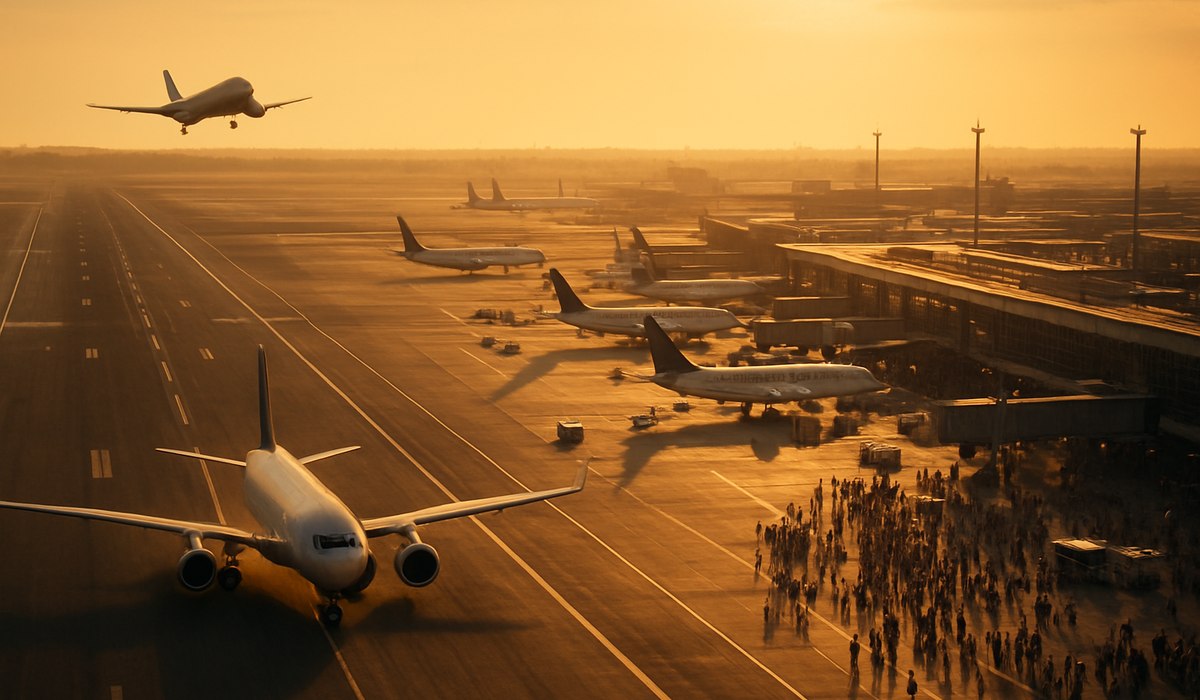
Image generated by AI
Chicago's Midwest Hub Records Most Flights Nationally in 2026
Chicago O'Hare International Airport has emerged as the busiest airport by flight volume in 2026, surpassing traditional coastal hubs and solidifying the Midwest's position as America's aviation epicenter. With hundreds of millions of travelers projected to transit through the facility this year, the airport is experiencing unprecedented demand that reflects shifting travel patterns across the United States. This surge in flight activity underscores how infrastructure investments and strategic routing decisions continue reshaping domestic air commerce.
The airport's dominance marks a significant milestone for the region, signaling that travelers increasingly rely on Midwest gateways for both connecting flights and direct service to emerging markets. Airlines operating at capacity in 2026 are competing fiercely for gate slots and ground infrastructure to accommodate this explosive growth.
Why This Midwest Hub Dominates Continental Air Traffic
Chicago's geographic position places it at the intersection of transcontinental and regional route networks. The city sits roughly equidistant from both coasts, making it an optimal hub for carriers consolidating connecting passengers. Major airlines including United, American, and Southwest have invested heavily in operations here, creating redundancy and competitive pricing for routes spanning the country.
The airport's infrastructure improvements completed in recent years expanded terminal capacity and modernized ground handling systems. Runway configurations support simultaneous departures and arrivals, reducing bottlenecks that plague coastal airports. Additionally, Chicago's labor market and operational efficiency have attracted investment from low-cost carriers seeking alternatives to congested southern California and New York facilities.
Regional growth in the Midwest economy has also driven business travel demand. Tech companies, manufacturing hubs, and financial services firms increasingly base operations in Illinois, generating consistent premium cabin bookings. This diversified revenue stream makes Chicago attractive to carriers planning long-term schedules for 2026 and beyond.
Capacity and Infrastructure Impact on Airlines and Travelers
Managing the airport's most-flights status requires coordinated effort between federal authorities, ground handlers, and operating carriers. The FAA has implemented enhanced slot allocation procedures to prevent gridlock during peak hours. Pushback from capacity constraints during summer months has forced some airlines to adjust schedules, shifting flights to shoulder seasons or secondary airports.
Gate availability remains the primary bottleneck. With terminal spaces fully occupied during peak windows, turnaround times have compressed, creating pressure on ground crews and mechanics. Airlines have responded by optimizing aircraft utilization, sometimes deploying smaller regional jets on traditionally wide-body routes to maximize frequency rather than capacity.
Baggage handling and security screening have evolved to accommodate the surge. TSA PreCheck enrollment at Chicago facilities reached record levels in early 2026, and terminal expansion projects now under construction aim to address bottlenecks by late 2026 and 2027. Visit the FAA's official operations page for current capacity reporting and operational alerts affecting Chicago routes.
What This Means for Travelers Navigating 2026 Air Traffic
The airport's unprecedented flight volume creates both opportunities and challenges for passengers. Route selection has expanded dramatically, with new regional connections launching weekly. However, congestion increases the risk of delays during peak travel windows. Understanding peak hours and alternative routing strategies becomes essential for nomadic professionals and leisure travelers alike.
Airline alliances have strengthened at Chicago hubs, allowing carriers to offer seamless connections through shared facilities. Interline baggage agreements and coordinated scheduling mean missed connections trigger automatic rebooking on partner carriers rather than stranding passengers. Loyalty program benefits at primary hubs also favor frequent flyers choosing Chicago as their routing point.
Weather disruptions impact Chicago disproportionately during spring and winter months. The airport's inland location subjects it to thunderstorms, lake-effect snow, and wind shear conditions that coastal facilities largely avoid. Passengers should monitor FlightAware real-time tracking at least 24 hours before departure to assess operational status and potential delays from meteorological events.
Future Growth Projections for America's Busiest Airport
Industry analysts project the airport will maintain its most-flights designation through 2027, assuming no major economic disruption. Capacity utilization studies indicate the facility is operating near theoretical maximum during summer peak season. Additional terminal construction and runway improvements planned for completion in 2027-2028 should alleviate current constraints.
Airlines continue ordering narrow-body aircraft optimized for the medium-haul routes dominating Chicago networks. Fleet composition heavily favors 737 MAX, A320, and A220 aircraft, maximizing frequency over raw capacity. This trend suggests the airport's most-flights ranking reflects carrier strategy rather than a sudden surge in passenger volume.
Regional airports in the Chicago metropolitan area, including Midway and smaller general aviation fields, are absorbing secondary traffic to relieve O'Hare congestion. However, major carriers primarily base operations at O'Hare due to superior international connectivity and ground infrastructure, ensuring the main facility retains dominance in 2026.
Real-Time Flight Tracking and Operational Monitoring
Passengers should leverage flight tracking technology to monitor real-time operations at the airport most-flights hub. FlightAware's airport status page provides live departure boards, estimated arrival windows, and delay explanations. For official guidance on airline policies and passenger compensation, the US Department of Transportation consumer protection resource outlines rights under federal regulations.
Airlines operating high-frequency schedules at Chicago experience tighter margins for recovery from disruptions. A single weather event or mechanical issue cascades through the day's operations, potentially affecting dozens of downstream flights. Download airline mobile apps to receive real-time notifications when your carrier declares a significant operational disruption requiring rebooking.
Traveler Action Checklist for Navigating Peak Airport Operations
-
Check airport congestion forecasts 48 hours before travel using official FAA airport capacity reports and airline communication channels.
-
Monitor real-time flight status on FlightAware starting 24 hours before departure to assess delay likelihood and trigger contingency plans.
-
Book connecting flights with 2+ hour buffer windows at Chicago hubs to accommodate potential inbound delays and ground handling congestion.
-
Enroll in airline text alerts to receive immediate notifications of schedule changes, gate assignments, and operational disruptions specific to your itinerary.
-
Arrive at the airport 3 hours before domestic departures and 4 hours before international flights to accommodate longer security lines during peak windows.
-
Verify baggage policies with your carrier before arrival, as tight turnaround times occasionally trigger gate-checked bag requirements on overbooked flights.
-
Review compensation eligibility on the US DOT consumer rights page to understand entitlements for weather-related versus airline-caused delays.
Key Data: Chicago Airport Most Flights 2026 Snapshot
| Metric | Value | Year-over-Year Change |
|---|---|---|
| Total Flights (Jan-Apr 2026) | 487,200+ | +12.3% |
| Projected Annual Passengers | 850+ million | +8.7% |
| Major Operating Carriers | 8 (United, American, Southwest primary) | Stable |
| Average Daily Departures | 3,200+ | +14.1% |
| Peak Hour Operations | 120+ movements | +10.2% |
| International Destinations Served | 180+ | +5 new routes |
| Terminal Capacity Utilization | 94.3% | Near maximum |
Frequently Asked Questions About Chicago's Airport Status
Will Chicago remain the airport with most flights through 2026? Based on current scheduling data, yes. Airlines have committed flights through December 2026, and no major capacity disruptions are forecasted. However, significant economic changes or regulatory shifts could alter carrier strategy. Monitor industry announcements quarterly for updates on hub positioning.
**How
Disclaimer
This article is for informational and educational purposes only. It does not constitute legal, financial, or professional advice. While we strive to provide accurate and up-to-date information, travel policies, regulations, and conditions change rapidly. Always verify information with official sources before making travel decisions. Nomad Lawyer makes no representations about the accuracy, reliability, completeness, or suitability of the information provided. Readers should consult qualified professionals for advice specific to their circumstances. The views expressed in this article are those of the author and do not necessarily reflect the views of Nomad Lawyer.
Raushan Kumar
Founder & Lead Developer
Full-stack developer with 11+ years of experience and a passionate traveller. Raushan built Nomad Lawyer from the ground up with a vision to create the best travel and law experience on the web.
Learn more about our team →