
RAF Fighter Pilot Salaries Under Scrutiny as Military Aviation Faces Recruitment Crisis
Breaking airline news and aviation industry updates for 2026.

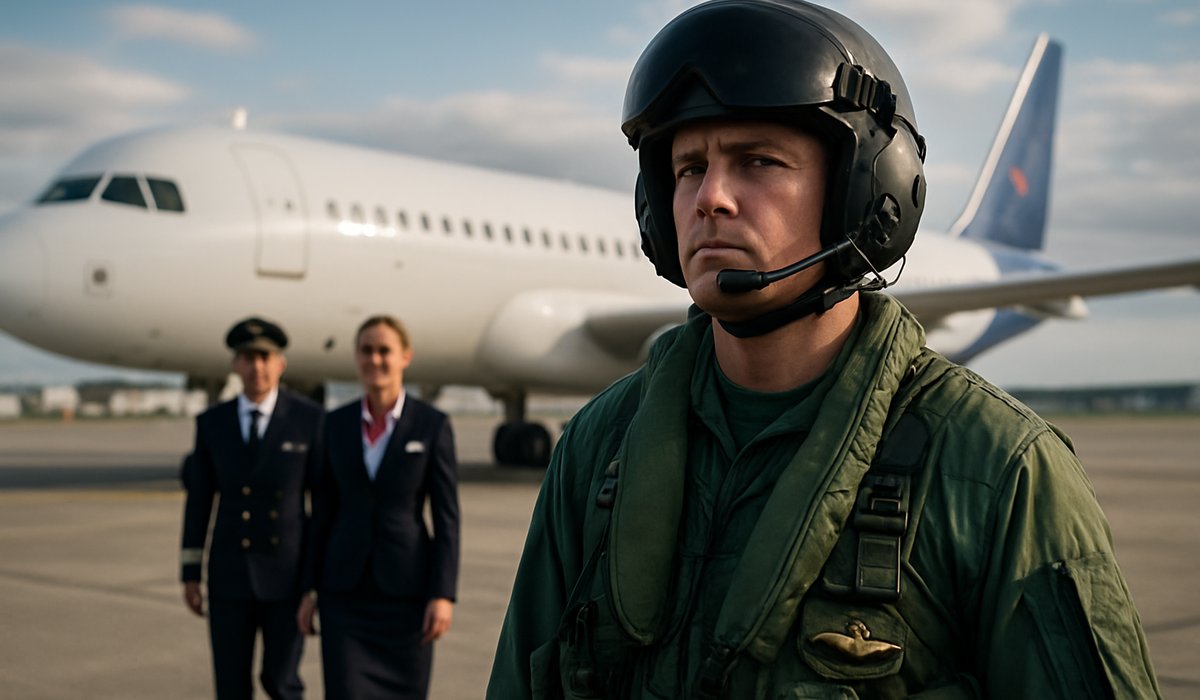
Image generated by AI
RAF Fighter Pilot Salaries Under Scrutiny as Military Aviation Faces Recruitment Crisis
As Europe's airlines poach experienced aviators, the Royal Air Force's compensation package faces mounting pressure
The Compensation Question Gaining Urgency
The Royal Air Force's ability to retain and attract elite fighter pilots has become a critical strategic concern, with compensation emerging as a decisive factor in career choices. As commercial aviation rebounds aggressively from pandemic disruptions and recruitment competition intensifies across European airspace, understanding what RAF fast-jet pilots actually earn has shifted from casual curiosity to operational necessity.
The question reflects deeper industry tensions: military aviation careers, once the undisputed pathway for aspiring pilots, now compete directly with lucrative commercial airline positions. This fundamental shift in the aviation labor market has exposed compensation gaps that military leadership can no longer overlook.
Growing Pilot Shortages and Commercial Poaching
Europe faces a documented pilot shortage that has intensified recruitment battles between sectors. Commercial carriers—flush with recovery-driven expansion plans—have begun systematically targeting experienced military aviators with substantially higher salary packages and civilian lifestyle benefits. The RAF, constrained by government wage structures and budget limitations, increasingly struggles to retain personnel who could command premium salaries in the private sector.
This competition occurs against a backdrop of rising jet fuel prices and operational costs that have reshaped airline economics globally. While commercial operators pass inflation-driven expenses to passengers through baggage fees and ancillary charges, military budgets face different pressures, creating widening compensation disparities.
Military Aviation Career Considerations
The RAF fighter pilot role demands exceptional skill, advanced training costing millions per aviator, and exposure to extraordinary operational risks. Yet the compensation structures governing military service remain relatively rigid compared to commercial aviation's market-responsive salary mechanisms.
Public interest in stable military aviation careers persists, particularly during economic uncertainty when commercial airline stability fluctuates with fuel surcharges, route consolidation, and competitive pressures. However, this stability advantage diminishes when compensation lags significantly behind civilian alternatives.
Strategic Implications for Defense
The RAF's pilot retention challenge carries broader defense implications. Fighter pilot expertise represents irreplaceable institutional knowledge and operational capability. When experienced aviators transition to commercial carriers or leave aviation entirely, the military loses not just personnel but accumulated proficiency in complex fast-jet systems.
As airline revenue models evolve—incorporating dynamic pricing similar to other industries—and commercial aviation continues absorbing military talent pools, defense establishments across Europe face mounting pressure to reassess military compensation structures.
FAQ: RAF Pilot Salaries and Military Aviation Careers
What is the typical salary range for RAF fighter pilots? RAF fighter pilot compensation varies by rank and experience, structured within fixed government pay scales that typically lag commercial airline offerings for equivalent experience levels.
Why are airlines recruiting military pilots aggressively? Commercial recovery demands experienced aviators, and military-trained pilots bring advanced technical skills and safety protocols valuable to airline operations, justifying competitive recruitment.
How does military pilot compensation compare to commercial airlines? Commercial carriers typically offer substantially higher salaries, flexible benefits, and allowances compared to RAF pay structures, creating recruitment disparities.
What factors influence RAF fighter pilot career decisions? Compensation, job stability, lifestyle factors, advancement opportunities, and commercial sector recruitment intensity all significantly influence retention and recruitment outcomes.
How do fuel price fluctuations affect military versus commercial aviation careers? While rising jet fuel prices drive commercial airlines to implement baggage fees and ancillary charges affecting profitability, military budgets absorb costs differently, sometimes limiting salary competitiveness.
Related Travel Guides
-
SpiceJet Receives First USD 16 Million From Government-Backed Crisis Fund
-
JetBlue Saves the Day: Rescue Fares for Spirit Passengers and Bold Network Expansion
External Resources
Disclaimer
This article is for informational and educational purposes only. It does not constitute legal, financial, or professional advice. While we strive to provide accurate and up-to-date information, travel policies, regulations, and conditions change rapidly. Always verify information with official sources before making travel decisions. Nomad Lawyer makes no representations about the accuracy, reliability, completeness, or suitability of the information provided. Readers should consult qualified professionals for advice specific to their circumstances. The views expressed in this article are those of the author and do not necessarily reflect the views of Nomad Lawyer.
Preeti Gunjan
Contributor & Community Manager
A passionate traveller and community builder. Preeti helps grow the Nomad Lawyer community, fostering engagement and bringing the reader experience to life.
Learn more about our team →