
Hawaii Under Emergency Proclamation as Tropical Storm Lala Approaches
Tropical Storm Lala triggers state emergency measures in Hawaii. Governor Josh Green coordinates response for flooding, winds, and dangerous coastal surf.
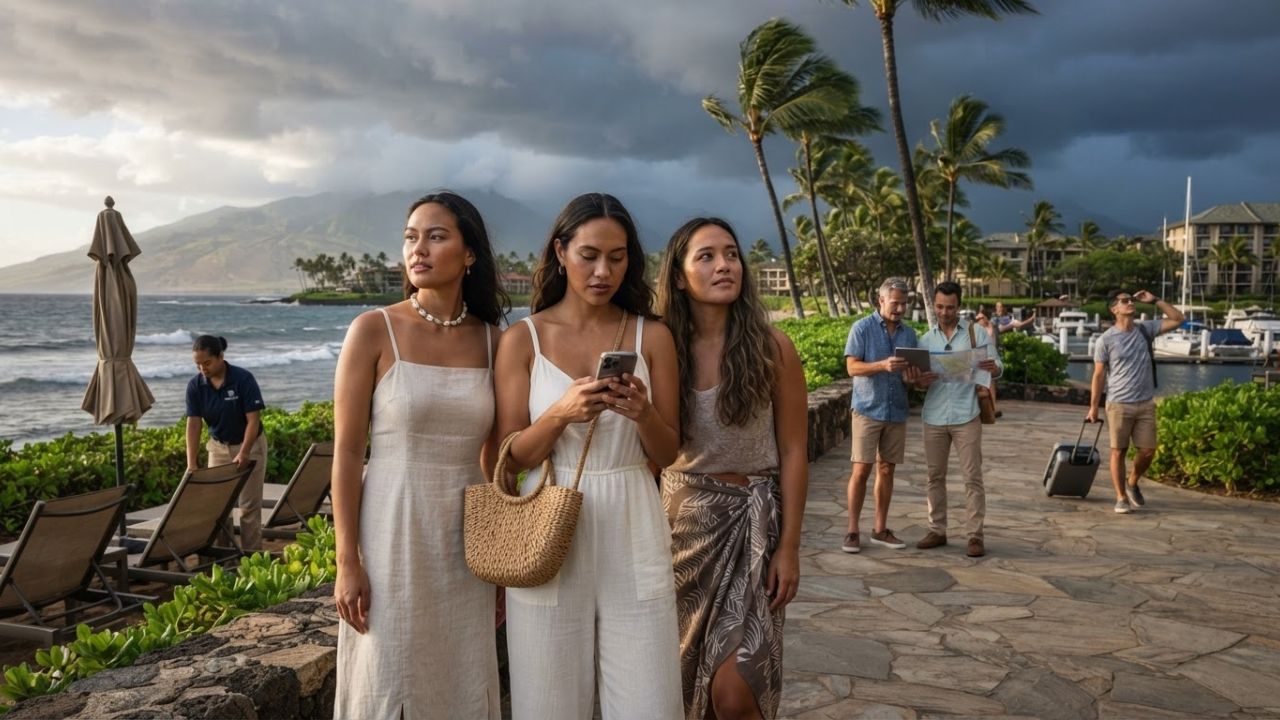
Image generated by AI
With over 9.2 million annual visitors navigating Hawaii’s delicate ecosystems, the approach of Tropical Storm Lala on August 14, 2026, has prompted Governor Josh Green to declare a state of emergency, highlighting the critical balance between tourism safety and community resilience.
The westward trajectory of the storm across the Pacific Ocean is forcing state emergency managers, local businesses, and travelers to adapt quickly. As the weather system nears the islands, agencies warning of coastal inundation, strong winds, and heavy rainfall are urging everyone to prioritize safety. Although the islands remain open to visitors, local authorities emphasize the importance of flexibility. Understanding the unique geographic and environmental traits of the Hawaiian archipelago is essential for anyone currently visiting or planning to arrive during this weather event.
Travelers should realize that tropical systems in the Pacific can shift rapidly, altering local weather conditions within hours. The state's tourism infrastructure is highly experienced in handling these atmospheric challenges, yet cooperation from visitors is essential. By staying informed through official bulletins and adapting schedules, tourists can ensure their safety while minimizing the strain on local emergency services. This storm serves as a reminder of the powerful natural forces that shape life in Hawaii, requiring respect and careful planning from those who visit.
Tropical Storm Lala Intensifies as Hawaii Declares State of Emergency
The emergency proclamation issued by Governor Josh Green on August 14, 2026, serves as the primary administrative tool to coordinate state resources. This declaration allows agencies like the Hawaii Emergency Management Agency (HI-EMA) to streamline logistics, mobilize response teams, and establish communication networks. According to bulletins from the National Weather Service (NWS) Honolulu Forecast Office and the Central Pacific Hurricane Center (CPHC), Tropical Storm Lala is moving westward, bringing wind gusts and heavy precipitation to the islands.
While the storm does not need to make direct landfall to cause significant disruption, its outer bands are expected to interact with Hawaii's unique geography. The volcanic peaks of the Big Island, including Mauna Kea and Mauna Loa, play a major role in regional weather patterns. As moisture-laden winds hit these massive mountains, the air is forced upward, cooling and condensing into intense rainfall. This orographic precipitation can cause rapid runoff, leading to sudden flash floods in valleys and low-lying coastal areas. Visitors exploring these regions must remain aware of how quickly conditions can change.
Coastal regions are also facing elevated risks. The storm is generating large swells that will impact beaches across the island chain, particularly along southern and eastern shores. Strong rip currents, beach erosion, and coastal inundation are expected, making ocean activities extremely hazardous. Local lifeguards and the Hawaii Department of Land and Natural Resources are monitoring conditions, with beach closures likely. Tourists are advised to stay out of the water in affected areas, as rescue operations during storm conditions put local emergency responders at significant risk.
Aviation operations are a major focus for state officials, as air travel is the primary connection for visitors and supply chains. While widespread flight cancellations have not been reported at Daniel K. Inouye International Airport (HNL) or regional gateways, airlines may adjust schedules or delay flights if wind gusts exceed safety limits. Passengers should verify their flight status directly with their carriers before departing for the airport to avoid long wait times in terminals.
| Island and Region | Specific Meteorological Risks | Primary Transit Gateway | Local Activity & Safety Advisory |
|---|---|---|---|
| Big Island (Kona Coast) | Coastal surf, rip currents, wind gusts | Ellison Onizuka Kona International Airport (KOA) | Monitor snorkeling and boating; expect harbor closures |
| Big Island (Hilo & East) | Orographic rainfall, flash flooding | Hilo International Airport (ITO) | Avoid waterfalls and low-lying highways; follow detour signs |
| Maui | Wind damage, heavy showers, coastal erosion | Kahului Airport (OGG) | Check beach and state park closures; avoid mountain driving |
| Oahu | Severe wind gusts, heavy rainfall, drainage flooding | Daniel K. Inouye International Airport (HNL) | Expect flight delays; check status before departure |
| Kauai | Flash flooding, high surf, trail erosion | Lihue Airport (LIH) | Avoid hiking trails, including the Kalalau Trail; monitor safety signs |
Safeguarding Hawaii's Cultural Heritage and Eco-Tourism During Severe Weather
For the visitor, the real impact of a tropical storm goes beyond personal convenience; it represents an opportunity to practice mālama—the Hawaiian value of caring for and protecting the land. Hawaii’s ecosystems are fragile, and severe weather can exacerbate environmental degradation if visitors do not follow guidelines. When the Department of Land and Natural Resources closes hiking trails, it is not just to protect hikers from mudslides. It is also to prevent trail erosion, protect endangered native plants, and prevent the spread of soil-borne pathogens.
By respecting these closures, travelers actively participate in the conservation of Hawaii’s natural heritage. Flash floods and heavy rains can wash out trails, and hiking on wet paths causes deep ruts that take years to heal. Additionally, search and rescue operations in remote areas during a storm draw valuable personnel away from local communities that may be dealing with emergencies. Staying off closed trails is a direct way to support local search teams and ensure resources are directed where they are needed most.
Supporting the local economy is another essential aspect of sustainable tourism during a weather disruption. When outdoor excursions are cancelled, visitors can redirect their spending to support local artisans, farmers, and business owners. Many local food producers rely on daily tourist traffic to sustain their operations. Choosing to dine at locally owned restaurants, shop at neighborhood markets, or purchase products from regional cooperatives ensures that financial benefits remain within the community. This support helps local families recover from the economic impacts of storm disruptions more quickly.
Beyond economic benefits, this approach fosters a deeper connection with the host culture. Instead of viewing a storm as a spoiled vacation, visitors can use the opportunity to explore indoor cultural attractions, museums, and historical sites. Understanding the history of the islands, the traditional land management systems, and the connection Native Hawaiians have with the land provides a richer, more meaningful travel experience. It transforms a standard vacation into a journey of learning and mutual respect.
Essential Hawaii Storm Safety and Local Travel Tips
Navigating a tropical storm requires practical preparation and an understanding of local conditions. To ensure a safe and responsible stay, visitors should integrate the following recommendations into their travel plans:
- Select Off-Peak Visit Windows: Plan visits during shoulder seasons, such as September to November or April to May. These periods feature lower visitor volumes and more stable weather patterns, making it easier to adjust itineraries if disruptions occur.
- Practice Reef Safety and Conservation: Hawaii law mandates the use of reef-safe sunscreen to protect marine ecosystems. When entering the water after a storm, be aware that runoff can carry debris. Wait until local authorities declare the water safe before swimming.
- Respect Sacred Spaces and Local Rules: Hawaii's cultural sites, or heiau, are sacred spaces. Never remove rocks, sand, or volcanic soil from any area, as this is culturally disrespectful. Always follow warning signs and stay within designated public areas.
- Savor Local Dining Specialties: Support the regional culinary scene by seeking out authentic dishes. Try fresh poke made from locally caught tuna, loco moco (rice, hamburger patty, fried egg, and gravy), slow-cooked kalua pork, or a refreshing Hawaiian shave ice topped with local fruit syrups.
- Stay Connected to Official Channels: Avoid relying on unverified social media updates for weather forecasts. Sign up for emergency alerts through the Hawaii Emergency Management Agency (HI-EMA) website and monitor updates from the NWS Honolulu Forecast Office.
- Maintain Schedule Flexibility: Keep a list of indoor activities, such as visiting the Bishop Museum in Honolulu or exploring local art galleries, to ensure you can enjoy the islands even when the weather prevents outdoor adventures.
Hawaii's Resilient Tourism Outlook and Infrastructure Recovery
The long-term outlook for Hawaii’s tourism sector remains strong, supported by decades of experience in managing tropical weather systems. The state’s hospitality industry, in partnership with the Hawaii Tourism Authority (HTA), has developed robust emergency protocols to protect visitors while maintaining essential services. Hotels and resorts are built to withstand high winds and heavy rains, and staff are trained to guide guests safely through weather emergencies.
As the state continues to invest in climate-resilient infrastructure, the focus is shifting toward sustainable, low-impact tourism models. By adapting to the natural cycles of the islands and prioritizing the safety of both residents and visitors, Hawaii is setting a global standard for responsible travel in an era of climate uncertainty. The response to Tropical Storm Lala highlights the strength of the community, demonstrating that with preparation and respect for nature, the islands can safely welcome travelers for generations to come.
Related Travel Guides
Disclaimer
This article is for informational and educational purposes only. It does not constitute legal, financial, or professional advice. While we strive to provide accurate and up-to-date information, travel policies, regulations, and conditions change rapidly. Always verify information with official sources before making travel decisions. Nomad Lawyer makes no representations about the accuracy, reliability, completeness, or suitability of the information provided. Readers should consult qualified professionals for advice specific to their circumstances. The views expressed in this article are those of the author and do not necessarily reflect the views of Nomad Lawyer.