Haarlem Emerges as Strategic Alternative to Amsterdam for Dutch City Breaks

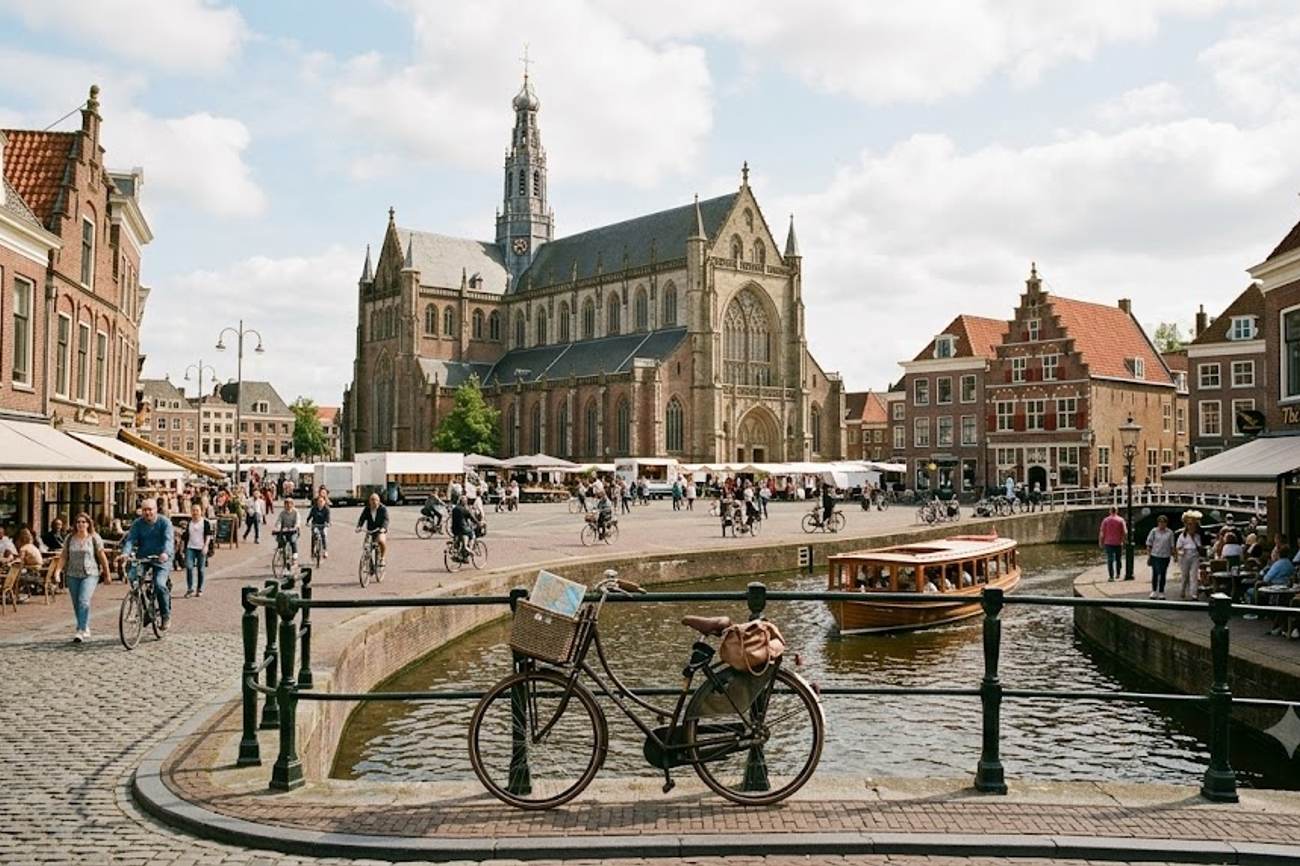
Image generated by AI
Our analysis of current European travel trends indicates a shift toward "secondary city" tourism to avoid the saturation of major hubs. Haarlem, located in the Netherlands, is currently the primary beneficiary of this trend for travelers seeking Dutch heritage without the congestion of Amsterdam.
The city functions as a high-efficiency satellite destination. Its proximity to Amsterdam—approximately 20 minutes by train—allows for seamless integration into broader Dutch itineraries while providing a distinct, slower urban rhythm.
Logistics and Infrastructure Breakdown
The transition from Amsterdam to Haarlem is characterized by high-frequency rail connectivity. The city's layout is optimized for pedestrian transit, reducing the reliance on ride-sharing or public transport within the center.
- Primary Transit Hub: Amsterdam Central to Haarlem (approx. 20-minute rail duration).
- Core Transit Zone: The Grote Markt serves as the central navigational anchor for the city.
- Key Cultural Assets:
- Frans Hals Museum: Primary site for Dutch Golden Age art.
- Teylers Museum: One of the oldest museums in the Netherlands, specializing in art and science.
- Grote or St.-Bavokerk: The city's dominant architectural landmark.
Passenger Rights & Advisory
For passengers integrating Haarlem into a larger European itinerary, understanding the logistics of Dutch transit and accommodation is essential.
Rail Disruptions and Rights: For the affected passenger, any significant delay or cancellation on the rail link between Amsterdam and Haarlem may entitle them to compensation depending on the carrier's terms of service. Our analysis of Dutch rail policy suggests that passengers should maintain digital copies of all tickets and timestamps of delays to facilitate claims.
Accommodation Strategy: To maximize the "Information Gain" of a visit, we advise staying overnight. Data shows that Haarlem’s atmosphere shifts significantly after day-trippers depart, offering a more authentic experience of Dutch urban life.
Navigational Advisory: Unlike Amsterdam's sprawling museum district, Haarlem's assets are concentrated. Travelers should prioritize walking tours starting from the Grote Markt to minimize transit time and costs.
Industry Analyst View
The rise of Haarlem reflects a broader European trend of "de-tourism" in capital cities. By diversifying the flow of visitors away from Amsterdam's central corridors, the Netherlands is creating a more sustainable tourism model.
Haarlem does not attempt to replicate the Amsterdam experience; rather, it offers a specialized alternative focusing on independent retail, Golden Age art, and manageable urban scale. This makes it a strategic choice for high-net-worth travelers and culture-focused visitors who prioritize intimacy over mass-market landmarks.
Related Travel Guides
This article is for informational purposes. Flight routes, passenger regulations, visa rules, and transit advisories are subject to change by airlines and aviation authorities. Readers are advised to verify schedules and travel documentation with relevant carriers and border agencies before departure.
Related Stories

Brazil Nears 100 Million Air Passengers in 2026 Amid Divergent Global Aviation Growth