
Guyana Is a Safely Visitable Nation, Especially in Georgetown and Other Regions for Autumn Travel
Guyana Is a Safely Visitable Nation, Especially in Georgetown and Other Regions for Autumn Travel

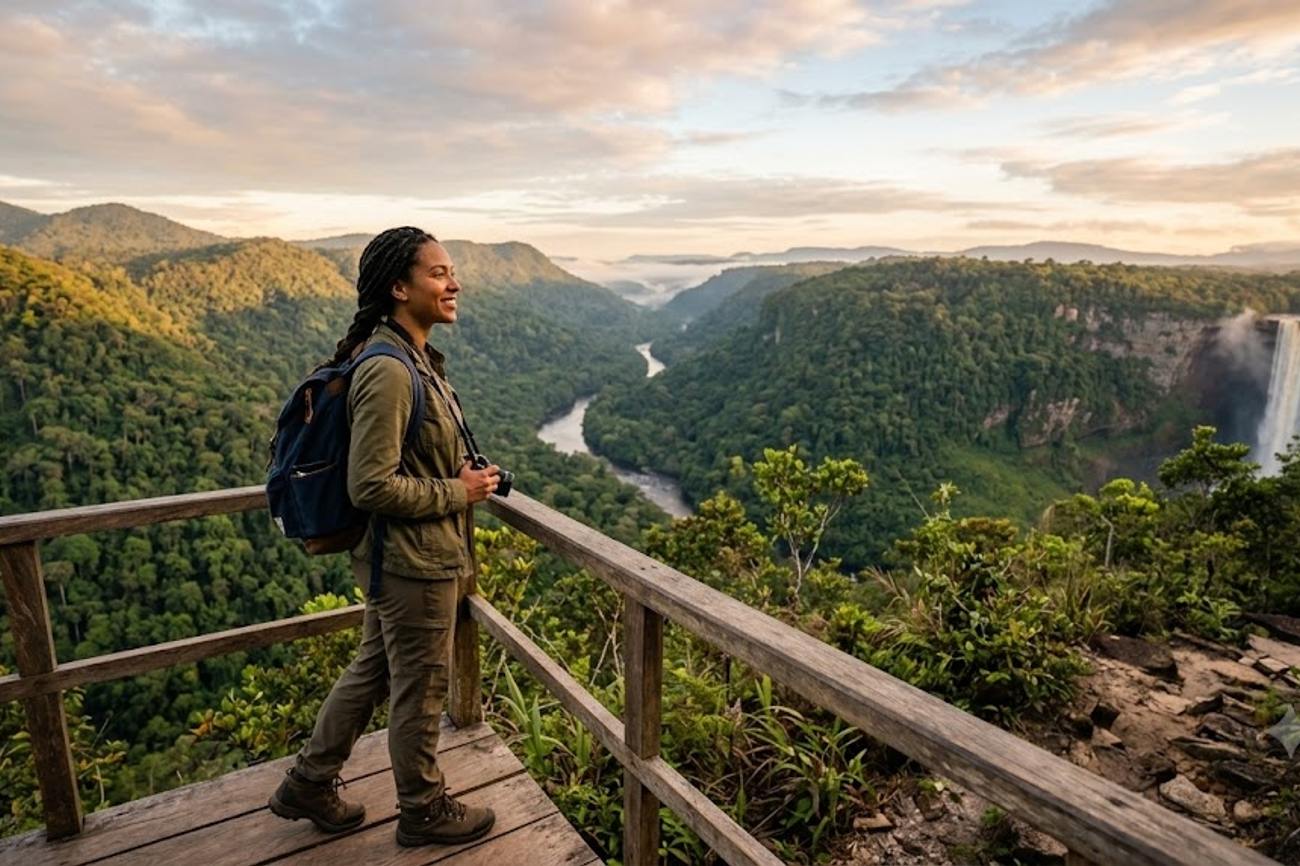
Image generated by AI
Guyana's interior is so remote that in towns like Lethem or Mabaruma, your safety and logistics depend entirely on your relationship with local guides rather than official infrastructure. While the coast offers colonial remnants, the true heart of the country exists in the river-towns where the road ends and the rainforest begins.
The Shift Toward Guided Interiorism in 2026
As we move into the autumn of 2026, the pattern of travel in Guyana is shifting away from independent urban exploration toward "guided interiorism." While Georgetown remains the primary entry point, the trend is now to use the capital as a brief transit hub before pushing deep into the hinterlands. The reason is simple: the contrast in experience. While the urban centers require a high degree of vigilance, the interior regions—managed by registered eco-tourism operators—offer a level of immersion into the Amazonian wilderness that is becoming increasingly rare globally.
The current travel climate suggests a bifurcated experience. On one hand, you have the coastal towns like New Amsterdam and Corriverton, which provide a window into the Berbice River region and colonial history. On the other, you have the "gateway towns" like Bartica and Linden. These aren't traditional tourist destinations with hotels and gift shops; they are working river towns that serve as the staging grounds for expeditions into the Cuyuni-Mazaruni and Upper Demerara-Berbice regions. For the 2026 traveler, the goal is no longer just to "see" Guyana, but to navigate its river systems, which act as the country's primary highways.
What Makes Guyana’s Regional Hubs Different
Guyana is not a monolithic destination; it is a collection of distinct ecological and cultural zones. To understand the country, you have to understand the specific role of its regional hubs.
In the north, Mabaruma serves as the jumping-off point for the Barima-Waini region. This is where the forest landscapes are most oppressive and beautiful, and where travel is almost exclusively conducted via organized eco-tourism arrangements. Moving south to Lethem, the environment transforms entirely. You leave the dense canopy behind for the Rupununi savannahs. This is the center for Indigenous tourism, where the experience is defined by wide-open horizons and wildlife spotting that rivals any national park in the Americas.
Then there is the Potaro-Siparuni region, accessed via Mahdia. This is the territory for the experienced adventurer. It is the primary route for those seeking the thunderous power of Kaieteur Falls. Unlike the more accessible coastal areas, Mahdia requires rigorous logistics and confirmed local arrangements before you even leave the capital.
The coastal experience, centered in Georgetown, is an exercise in architectural contrast. You have St George’s Cathedral—one of the tallest wooden structures of its kind on earth—standing alongside the Guyana National Museum. However, the rhythm here is different. It is a city of markets and waterfronts, but it is also where the highest crime risks are concentrated. The contrast between the serenity of a river cruise in Bartica and the high-alert navigation required in certain Georgetown neighborhoods is the defining characteristic of a Guyanese itinerary.
Visitor Insider Tips
Navigating Guyana requires a different toolkit than navigating the Caribbean or South America's more developed hubs.
Timing and Weather: Fall 2026 is a viable window, but remember that Guyana doesn't have "seasons" in the traditional sense—it has wet and dry periods. When visiting the interior, always pack high-grade waterproof gear and breathable, long-sleeved clothing to protect against insects in the rainforest.
The Transport Hack: Never attempt to navigate the interior—especially places like Lethem or Mahdia—without a registered tour company. In the interior, "transport" often means a small plane or a long-tail boat. Using official transport authorities or registered operators is not just a safety suggestion; it is a logistical necessity. In Georgetown, avoid the temptation to walk between attractions after dark. Use registered taxis arranged through your hotel.
Local Etiquette: When visiting Indigenous communities in the Rupununi or Barima-Waini, remember that you are a guest in a sovereign cultural space. Always ask permission before photographing people or sacred sites. A small, thoughtful gift for a community leader is often more appreciated than a cash tip.
Where to Base Yourself: If you are heading to the rainforest, use Bartica as your base. It is the strategic meeting point of the Essequibo, Cuyuni, and Mazaruni rivers. For those interested in the savannahs, Lethem is the only logical choice, though you must prepare for limited services and a slower pace of life.
Cultural and Environmental Context
Tourism in Guyana is currently in a delicate balancing act. The push for eco-tourism is designed to provide an economic alternative to mining and logging, which have historically threatened the pristine rainforests. When you visit a place like Mabaruma or the Kaieteur Falls route via Mahdia, your presence directly supports the preservation of these areas.
However, the interaction between tourism and local communities is complex. In the interior, the reliance on Indigenous guides is the backbone of the industry. This creates a symbiotic relationship where traditional knowledge of the land is monetized to prevent the encroachment of industrial extraction. The challenge for 2026 is ensuring that as visitor numbers grow, the environmental footprint remains negligible.
In the urban centers, the disparity is more visible. The crime risks mentioned in official advisories, such as those from the Government of Canada or the UK Foreign Travel Advice, are often symptoms of deeper socio-economic challenges. Responsible travel here means supporting local artisans in the markets and utilizing licensed guides who can provide the cultural context of Georgetown's colonial architecture without exposing visitors to high-risk neighborhoods.
FAQ: Visiting Guyana 2026
Is Georgetown safe for solo travelers in 2026? It is manageable but requires high vigilance. Stick to well-known tourist areas, avoid displaying valuables, and never walk alone at night. Always use registered taxis and stay in secure, reputable accommodations to mitigate the higher crime risks found in urban areas.
How do I get to the interior regions like Lethem or Bartica? Most travelers fly into Georgetown and then take domestic flights or river boats. For remote areas like Lethem, registered tour companies are the only reliable way to handle the complex transport and lodging logistics required for the Rupununi savannahs.
What is the best way to see Kaieteur Falls? The most common route is via Mahdia or a direct flight from Georgetown. Because of the remote nature of the Potaro-Siparuni region, you must use local guides and confirm all logistics well in advance of your arrival.
Do I need special permits for Indigenous tourism? While not always a legal requirement, it is culturally mandatory to enter Indigenous lands through a registered operator. This ensures your visit is respectful, safe, and provides direct economic benefit to the local community.
Guyana is not a place you simply visit; it is a place you navigate with intention.
#GuyanaTravel2026 #RupununiSavannahs #KaieteurFalls #AmazonEcoTourism #GeorgetownGuyana #GuyanaInteriorExpeditions
Related Travel Guides
Disclaimer
This article is for informational and educational purposes only. It does not constitute legal, financial, or professional advice. While we strive to provide accurate and up-to-date information, travel policies, regulations, and conditions change rapidly. Always verify information with official sources before making travel decisions. Nomad Lawyer makes no representations about the accuracy, reliability, completeness, or suitability of the information provided. Readers should consult qualified professionals for advice specific to their circumstances. The views expressed in this article are those of the author and do not necessarily reflect the views of Nomad Lawyer.
Preeti Gunjan
Contributor & Community Manager
A passionate traveller and community builder. Preeti helps grow the Nomad Lawyer community, fostering engagement and bringing the reader experience to life.
Learn more about our team →