Guatemala Blooms From Antigua to Flores as Giant Kites and Flower Festivals Light Up Autumn

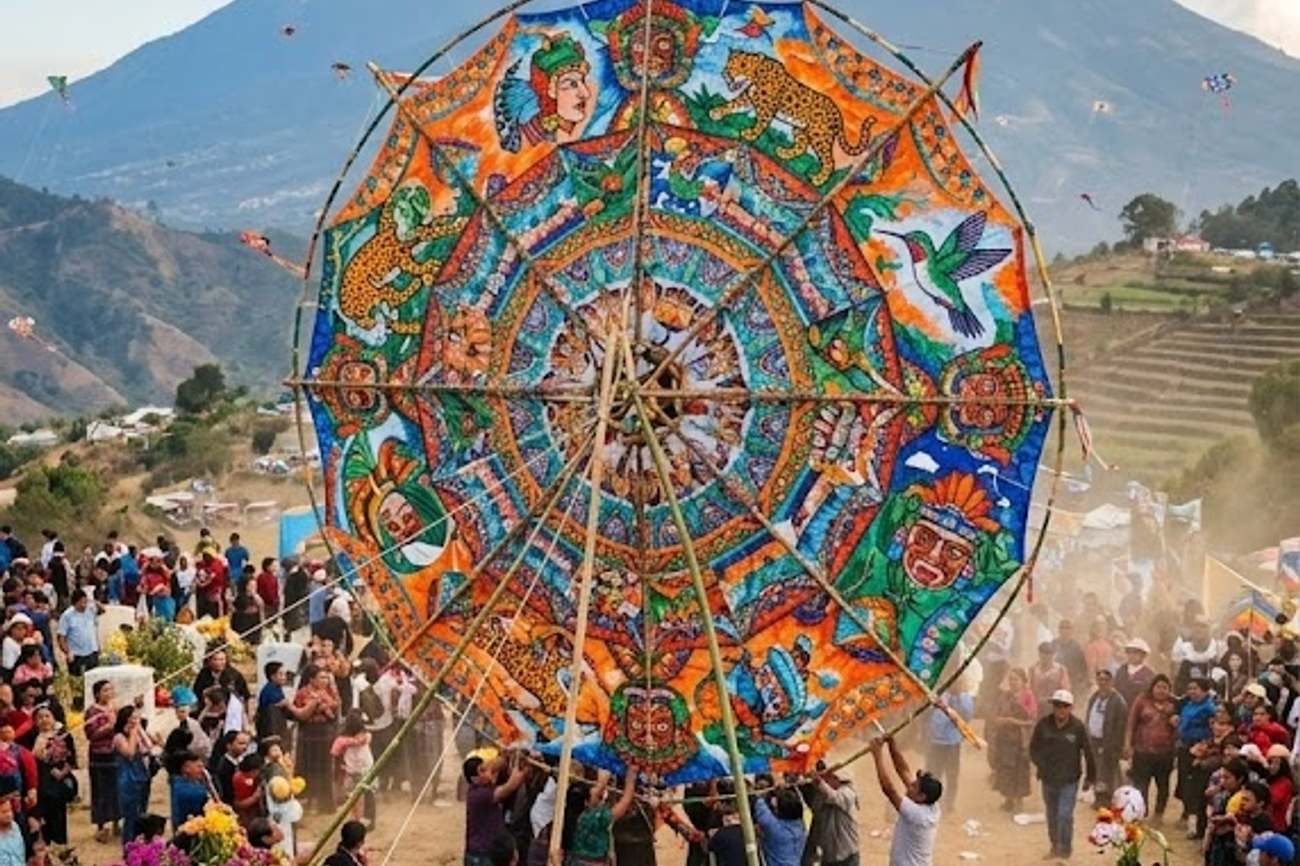
Image generated by AI
10 years of the Festival de las Flores in La Antigua Guatemala marks a strategic shift in how the nation leverages its colonial heritage to drive autumn tourism. By diversifying its seasonal attractions beyond the traditional Maya ruins and volcanic landscapes, Guatemala is constructing a cultural corridor that spans from the northern lake districts to the highlands. This coordinated calendar of events—stretching from October 3 to November 15, 2026—represents a calculated effort to extend the average tourist stay and redistribute economic benefits across multiple departments.
The Petén Pivot: Diversifying the Northern Gateway
Historically, the northern department of Petén has functioned primarily as a logistical transit point for visitors accessing the Tikal National Park ruins. However, the introduction of the first Festival de las Flores en la Isla de Flores on October 3 and 4, 2026, signals an attempt to transform the island town of Flores into a primary destination.
By installing floral displays and cultural activities along the narrow streets and colorful facades of the island, local authorities are attempting to decouple the town's identity from its role as a "gateway." The logistical goal is clear: encourage travelers to slow their pace, increase overnight stays, and engage with the local economy of Lake Petén Itzá. For the travel industry, this is a move to mitigate the "day-trip" phenomenon, where visitors spend the bulk of their budget at archaeological sites rather than in the supporting community infrastructure.
The Colonial Bloom: Antigua’s Decade of Floral Diplomacy
While Flores experiments with a new format, La Antigua Guatemala is scaling a proven model. The 2026 Festival de las Flores will celebrate its 10th anniversary under the theme Ciudad Floreciente (Blooming City), with its peak weekend scheduled for November 14 and 15.
Unlike a centralized event, this festival utilizes the entire city as its venue. The integration of floral balconies, arches, and public installations turns the urban grid into a living gallery. The 2026 iteration is expanding its temporal footprint; while the main event is in mid-November, a secondary layer of art experiences, sports events, and workshops will begin in October. This creates a "soft landing" for tourists, providing a month-long incentive to book longer stays in the city's boutique hotels and guest houses.
From a sustainability standpoint, the festival is integrating circular economy principles. Organizers have formalized a commitment to the composting and reuse of organic floral materials, addressing the environmental footprint often associated with large-scale botanical displays. This alignment with responsible tourism standards is essential for maintaining the integrity of a UNESCO World Heritage site.
The Metaphysical Ascent: Sumpango and Santiago Sacatepéquez
On November 1, 2026, the focus shifts from the aesthetic to the spiritual with the Festival de Barriletes Gigantes. Held in the communities of Sumpango and Santiago Sacatepéquez, this event is an integral part of All Saints' Day. These massive kites, constructed from bamboo, rope, and paper, serve as more than just visual spectacles; they are traditional conduits for communication between the living and the deceased.
Guatemala's autumn season is a vibrant time to visit, with the country's iconic Giant Kite Festival, known as Barriletes Gigantes, taking place on November 1st, and the Flower Festival, or Fiesta de las Flores, happening in various towns. For travelers planning to attend these events, it's essential to book flights in advance through official airline portals to ensure availability. The Guatemala City airport, also known as La Aurora International Airport, is the primary entry point for international visitors.
The scale of these kites is a testament to community mobilization. Each kite carries specific sociocultural messages regarding peace, memory, and nature. For the global traveler, this event represents the highest density of "living culture" in the country, though it requires a shift in mindset from the consumerist approach of a flower festival to a respectful observation of a communal rite.
Expert Analysis: The Logistics of Cultural Sequencing
For travelers booking this route, the direct consequence of this scheduling is the emergence of a "Cultural Circuit." By aligning the Flores festival (Oct 3-4), the Antigua lead-up (October), the All Saints' Day kites (Nov 1), and the Antigua finale (Nov 14-15), Guatemala has effectively created a six-week window of high-value activity.
The pricing pressure this creates means that accommodation in La Antigua Guatemala and Flores will likely see significant spikes during these specific windows. We are seeing a transition from "random" tourism to "event-driven" tourism. For the nomad or long-term traveler, this necessitates a booking strategy that prioritizes these dates months in advance.
Furthermore, the shift toward "living art" festivals—where the city itself is the venue—reduces the reliance on gated attractions. This decentralizes the tourism spend, pushing revenue into smaller cafes, local florists, and neighborhood workshops. By moving the "product" from a museum or ruin to the street, the Guatemalan tourism board is increasing the "per-capita spend" within the local community, as visitors are forced to navigate and interact with the city's residential and commercial fabric to see the displays.
As tourism continues to grow in Guatemala, the country's tourism board, INGUAT, provides valuable insights and resources for travelers, including information on festivals, accommodations, and transportation. To get to Flores, a popular destination in northern Guatemala, visitors can take a domestic flight or book a shuttle service from Guatemala City. The Flores Tourism Board also offers guidance on exploring the surrounding Petén region, including the famous Tikal National Park.
Key Takeaways
- Strategic Timing: The 2026 cultural season runs from October 3 (Flores) through November 15 (Antigua), creating a cohesive autumn travel window.
- New Northern Anchor: The first-ever flower festival in Flores (Oct 3-4) aims to transform the town from a Tikal transit point into a standalone destination.
- Sustainability Integration: The 10th anniversary of the Festival de las Flores in Antigua emphasizes organic waste management and composting.
- Cultural Sensitivity: The November 1 giant kite festivals in Sumpango and Santiago Sacatepéquez are spiritual observances, not merely tourist attractions.
- Economic Shift: The use of "city-wide venues" for these festivals is designed to distribute tourist spending directly into local small businesses and residential neighborhoods.
FAQ: Guatemala Cultural Festivals 2026
When is the best time to visit Guatemala for the kite festivals? The giant kite festivals in Sumpango and Santiago Sacatepéquez occur annually on November 1 for All Saints' Day. It is recommended to arrive in the highlands at least 24 hours early to secure transportation and lodging.
How do the flower festivals differ from the kite festivals? The flower festivals in Flores and Antigua are primarily artistic and celebratory, focusing on urban beautification and tourism. The kite festivals are deeply spiritual, rooted in the belief that kites carry messages to ancestors.
Is it necessary to book hotels in advance for the November 14-15 weekend in Antigua? Yes. Because the Festival de las Flores is celebrating its 10th anniversary in 2026, demand for accommodation in La Antigua Guatemala is expected to be significantly higher than usual.
What should I wear to the Festival de Barriletes Gigantes? Comfortable walking shoes are essential. Because the event is a solemn cultural tradition, modest dress is recommended, and visitors should be mindful of local customs regarding photography in community spaces.
The transformation of Guatemala's autumn calendar suggests a nation no longer content with being a backdrop for ancient history, but one actively designing its modern cultural economy.
Related Travel Guides
This article is for informational purposes. Flight routes, passenger regulations, visa rules, and transit advisories are subject to change by airlines and aviation authorities. Readers are advised to verify schedules and travel documentation with relevant carriers and border agencies before departure.
Related Stories
Delta's Austin–Arkansas Flights Reshape Regional Tourism Economics: Day Trips, Late Arrivals, and Visitor Spending 2027

UK Noise Pollution Rankings 2026: Salford Loudest City While Scotland's Perth and Kinross Emerges as Ultimate Peaceful Travel Retreat