
Guatemala Puts Mayan Culture at the Heart of Luxury MICE Tourism
Guatemala Puts Mayan Culture at the Heart of Luxury MICE Tourism

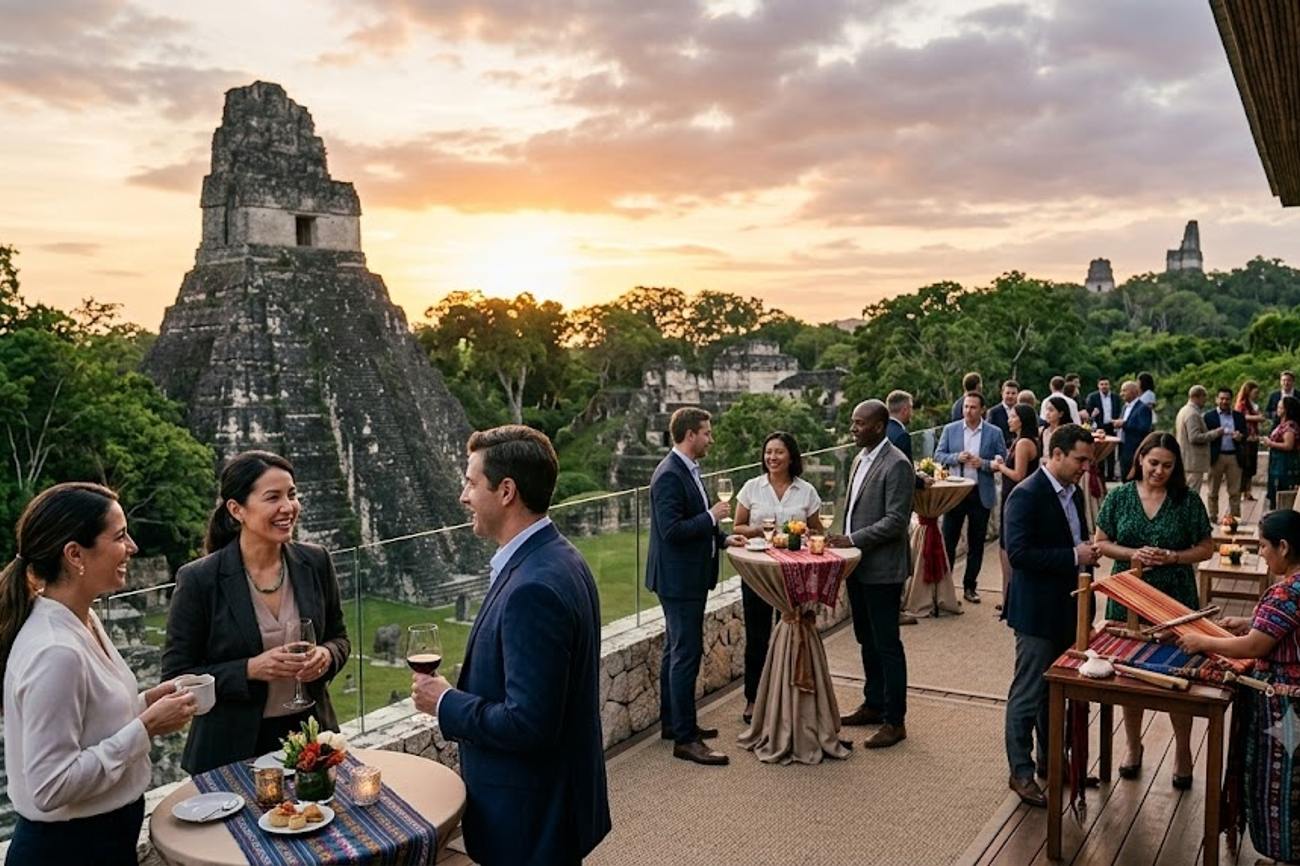
Image generated by AI
The most exclusive corporate retreats in Guatemala are abandoning sterile ballrooms entirely, opting instead to host C-suite strategy sessions inside repurposed 16th-century convents and private colonial courtyards. This shift marks a departure from the standard convention center model, as the country leverages its architectural heritage to turn business meetings into immersive cultural experiences.
The Evolution of Executive Gatherings in Guatemala
There is a palpable shift occurring in how international organizations approach executive getaways and incentive programs within Guatemala. The traditional "hotel-and-conference-room" formula is being replaced by a hybrid model that blends high-level business objectives with deep cultural immersion. This trend is driven by a global demand for venues that offer more than just Wi-Fi and a projector; organizers are now seeking environments that inspire creativity and provide a sense of place.
In this new landscape, the distinction between "work" and "experience" has blurred. A typical itinerary no longer separates the meeting from the destination. Instead, the destination becomes the catalyst for the meeting. For smaller, high-level corporate groups, this means the flexibility to move a morning brainstorming session from a boardroom to a historic plaza, or to transition a formal afternoon presentation into a private dinner hosted in a centuries-old courtyard.
The strategic pivot is most evident in the synergy between the capital and the highlands. While the country has always been a draw for leisure travelers, the intentional development of the MICE (Meetings, Incentives, Conferences, and Exhibitions) sector is now positioning Guatemala as a regional hub for Central American business. By offering a tiered experience—modern efficiency in the city and old-world luxury in the provinces—the country is catering to a diverse range of corporate needs, from massive regional trade shows to intimate executive retreats.
What Makes Guatemala’s Business Appeal Unique
The primary differentiator for Guatemala is the ability to offer two completely opposite environments within a short drive of one another. This duality allows event planners to curate a "best of both worlds" experience that is difficult to replicate in other regional destinations.
Guatemala City serves as the operational engine. The Zona Viva district is the heartbeat of the capital’s commercial sector, providing the necessary density of high-end hotels, specialized restaurants, and the technical infrastructure required for large-scale exhibitions and regional conferences. It is the place for the "hard" side of business: the logistics, the trade show booths, and the formal keynote addresses.
Conversely, Antigua Guatemala provides the "soft" side of business: the relationship building, the reflection, and the reward. As a UNESCO World Heritage site, Antigua is a living museum of cobbled streets and Spanish colonial architecture. The appeal here is intimacy and prestige. Rather than staying in a generic luxury chain, executive groups are utilizing former convents and historic estates. These venues allow for a level of privacy and atmospheric depth that a modern hotel cannot provide. The compact nature of Antigua’s historic center is a logistical advantage, allowing delegates to move between luxury accommodations, fine dining, and cultural landmarks on foot, eliminating the friction of urban traffic.
Beyond the architecture, the integration of Mayan heritage into the corporate agenda adds a layer of intellectual and sensory stimulation. This is not treated as a side-trip but as a core component of the program. The use of Mayan-inspired gastronomy and cacao ceremonies transforms standard networking events into structured cultural discoveries, ensuring that the experience is rooted specifically in Guatemala rather than being an interchangeable luxury event that could happen anywhere in the world.
Visitor Insider Tips
Navigating the transition between the capital and the highlands requires a bit of local nuance to avoid the common pitfalls of the "tourist track."
Timing and Logistics If you are coordinating movement between Guatemala City and Antigua, avoid the peak rush hours on the highway connecting the two. Traffic can be unpredictable; the best window for transfers is typically mid-morning (around 10:00 AM) or late evening. For those arranging high-end transport, ensure you utilize private shuttles with experienced drivers who know the shortcuts through the valley.
The Cacao Ritual When integrating cacao experiences into a business itinerary, schedule them for the start of the day or as a transition between a formal session and dinner. The ceremonial nature of cacao is designed to open conversation and foster a relaxed atmosphere, making it the perfect "icebreaker" for executives who may be stiff from a day of negotiations.
Dining Etiquette In Antigua, the most authentic and prestigious dining experiences often happen in the interior courtyards of private homes or boutique hotels. When booking, request "patio" or "courtyard" seating specifically. Also, encourage your group to explore the local coffee culture; Guatemala is world-renowned for its beans, and a private cupping session with a local producer is a far more impressive gesture than a standard hotel coffee break.
Where to Base Yourself For the business-centric portion of a trip, stay within Zona Viva in Guatemala City for maximum accessibility. In Antigua, look for properties located slightly away from the main Arch (Arco de Santa Catalina) to avoid the heaviest crowds while remaining within walking distance of the central plaza.
Cultural and Environmental Context
The rise of high-end incentive travel in Guatemala brings a complex intersection of economic opportunity and heritage preservation. The adaptation of historic convents and colonial buildings for corporate use is a double-edged sword. On one hand, the revenue generated from luxury MICE tourism provides essential funds for the maintenance and restoration of these aging structures, ensuring that the architectural legacy of Antigua is preserved for future generations.
However, there is a delicate balance to maintain between the needs of high-spending corporate groups and the daily rhythms of the local community. The "boutique-ification" of Antigua can lead to a displacement of local businesses in favor of high-end venues. To counter this, the most successful and ethical event planners are those who integrate local artisans and community-led tours into their programs.
Furthermore, the focus on Mayan gastronomy is more than just a culinary trend; it is a form of cultural reclamation. By bringing international executives into contact with traditional ingredients and ancestral preparation methods, tourism helps validate and preserve indigenous knowledge. When corporate groups engage in cacao ceremonies or visit local farms, they are supporting a value chain that extends from the highland farmers to the urban chefs. For more information on official travel guidelines and sustainable practices, visitors should consult the Instituto Guatemalteco de Turismo.
FAQ: Visiting Guatemala 2025
What is the best time to visit for business events? The dry season, from November to April, is ideal. The weather is temperate and predictable, which is essential for the outdoor courtyard events and walking tours that define the Antigua experience.
Do I need a visa to enter Guatemala? Citizens of many countries, including the US, Canada, and the UK, typically do not need a visa for short-term business or tourist visits. However, always check the latest requirements via your embassy or the official government portal.
How do I get from the airport to Antigua? The most efficient method is a pre-arranged private shuttle from La Aurora International Airport in Guatemala City. The drive typically takes 1.5 to 2.5 hours depending on traffic conditions.
Is it safe for solo business travelers? Yes, provided you stay in established areas like Zona Viva in the city and the historic center of Antigua. Using registered transport services and staying in reputable hotels is highly recommended.
Where the boardroom meets the ruins, and the strategy session ends in a cacao ceremony.
#AntiguaGuatemala #GuatemalaBusinessTravel #MayanGastronomy #CentralAmericaMICE #VisitGuatemala2025 #ExecutiveRetreats
Related Travel Guides
Disclaimer
This article is for informational and educational purposes only. It does not constitute legal, financial, or professional advice. While we strive to provide accurate and up-to-date information, travel policies, regulations, and conditions change rapidly. Always verify information with official sources before making travel decisions. Nomad Lawyer makes no representations about the accuracy, reliability, completeness, or suitability of the information provided. Readers should consult qualified professionals for advice specific to their circumstances. The views expressed in this article are those of the author and do not necessarily reflect the views of Nomad Lawyer.
Kunal K Choudhary
Co-Founder & Contributor
A passionate traveller and tech enthusiast. Kunal contributes to the vision and growth of Nomad Lawyer, bringing fresh perspectives and driving the community forward.
Learn more about our team →