West Virginia Tourism Surges to New Billion as Plans Reveal What Comes Next

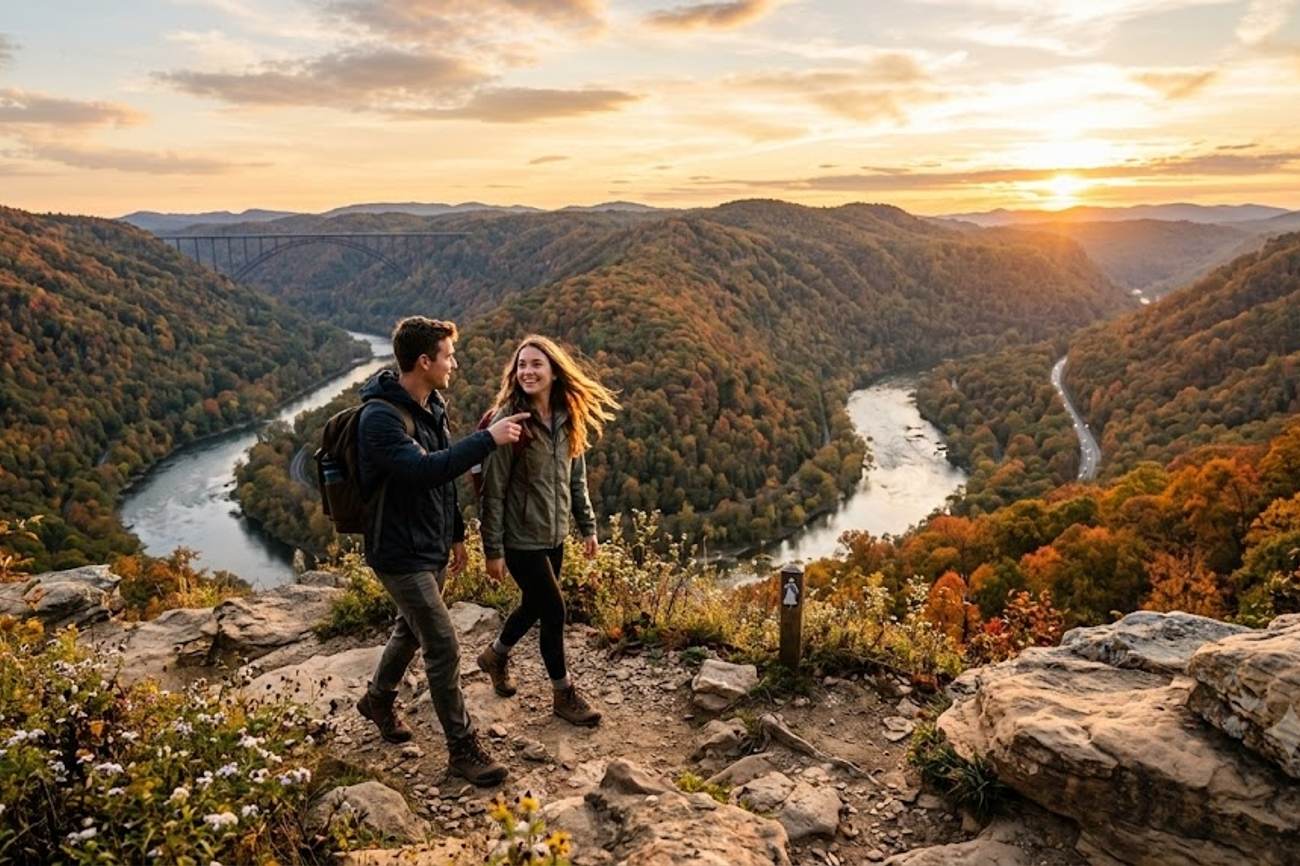
Image generated by AI
[Charleston, 2025] — West Virginia is pivoting its tourism strategy to prioritize repeat visitation and decentralized economic growth following a record-breaking year that saw 78.4 million visitors enter the state. Incoming Tourism Secretary Kayla Kessinger announced the shift during the Governor’s Conference on Tourism, signaling a move away from simple visitor acquisition toward long-term traveler engagement.
The strategic realignment comes as Governor Patrick Morrisey revealed that the state's tourism sector generated an estimated $9.4 billion in total economic impact for 2025. This financial surge is underpinned by $6.8 billion in direct traveler spending and a 2% increase in overnight stays, positioning tourism as a primary engine for both state revenue and population growth.
The Shift to Retention-Based Tourism
The immediate catalyst for this policy change is the realization that introducing new travelers to the state is no longer the primary hurdle; rather, the challenge is converting first-time visitors into lifelong returnees. Secretary Kessinger is implementing a framework designed to create "new reasons" for travel, ensuring that the state's offerings evolve beyond a single-visit novelty.
Central to this initiative is the dismantling of a centralized planning model. Kessinger has explicitly stated that the "next chapter" of West Virginia's tourism will not be authored solely within the capital of Charleston. Instead, the West Virginia Department of Tourism will adopt a grassroots approach, with the Secretary traveling across the state to integrate the perspectives of local operators and community-based businesses into the official strategy.
The goal is to spread economic benefits more equitably across the state's geography, ensuring that the financial windfall from the 78.4 million annual visitors reaches remote communities and small-scale operators rather than clustering around a few major landmarks.
Market Impact and Economic Metrics
The scale of the current tourism economy provides the baseline for these new ambitions. According to data released by Governor Morrisey, the visitor economy is now a critical employment pillar for the region.
| Metric | 2025 Figure |
|---|---|
| Total Visitors | 78.4 Million |
| Total Economic Impact | $9.4 Billion |
| Direct Traveler Spending | $6.8 Billion |
| Jobs Supported | 61,728 |
| State/Local Tax Revenue | $643 Million |
| Overnight Travel Growth | 2% |
The data indicates that approximately one in every 15 jobs in West Virginia is now tied to the visitor economy. This interdependence makes the shift toward "repeat visitation" a matter of economic stability; repeat visitors typically spend more per trip and provide a more predictable revenue stream for local businesses than sporadic first-time tourists.
Practical Traveler Advisory and Strategic Insights
For the average tourist or outdoor enthusiast, this strategic pivot translates into a tangible upgrade in infrastructure and a more diverse array of experiences. The state is moving away from "sightseeing" and toward "staying," which means a significant investment in where people sleep and how they interact with the landscape.
Infrastructure Upgrades: Travelers visiting Twin Falls Resort State Park will see immediate improvements funded by a $2.2 million investment. This capital is being deployed for HVAC upgrades, full room refurbishments, new mattresses, and cabin renovations. This indicates a broader push to modernize state-run lodging to meet higher consumer expectations.
Diversified Accommodation: The state is aggressively expanding its "outdoor hotel" capacity to support longer stays. Travelers can expect:
- A new 35-site campground at Lost River State Park, scheduled to open in the spring.
- 32 upscale glamping sites distributed across Blackwater Falls, Pipestem, Summersville Lake, and Lost River state parks.
- The development of the Slabtown Campground at the Cass Scenic Railroad State Park.
The "Visit-to-Resident" Pipeline: In a unique overlap between tourism and civic planning, the state is now marketing its destinations as "trial runs" for prospective residents. Governor Morrisey is positioning the Appalachian Trail and regions like Hampshire County and Berkeley Springs not just as vacation spots, but as gateways for people to discover a quality of life that might prompt them to relocate permanently to West Virginia.
Infrastructure Timeline and Legislative Outlook
The immediate future of West Virginia tourism is tied to a rolling series of infrastructure announcements. Governor Morrisey has confirmed that the Twin Falls project is merely the first in a sequence of state park investments that will be unveiled over the coming weeks and months.
Beyond the physical builds, the strategy is moving into the legislative arena. The Governor indicated that the upcoming legislative session will include proposed initiatives specifically aimed at increasing net migration. By linking the West Virginia State Parks experience to permanent residency incentives, the state is attempting to leverage its $9.4 billion tourism engine to solve long-term demographic challenges.
The operational focus for the remainder of the year will be Secretary Kessinger’s statewide listening tour. This phase is designed to identify gaps in the current visitor experience and create the "new reasons to visit" that are central to the retention strategy. By empowering local operators to shape the narrative, the state hopes to create a more authentic, community-driven tourism product that encourages travelers to return annually.
FAQ: West Virginia Tourism 2025
When will the new camping facilities be available? The 35-site campground at Lost River State Park is expected to open in the spring. Other projects, including the Slabtown Campground and various glamping sites, are currently in development phases.
What improvements are being made to state park lodging? Twin Falls Resort State Park is receiving $2.2 million for comprehensive upgrades, including new mattresses, renovated cabins, and updated HVAC systems to improve guest comfort.
How is West Virginia trying to attract repeat visitors? The state is shifting from simple promotion to creating new, diverse reasons to visit. This includes expanding upscale glamping, improving infrastructure, and fostering deeper connections between visitors and local communities.
Is tourism being used to attract new residents? Yes. Governor Morrisey is promoting tourism as an introduction to the state's quality of life, with plans to introduce legislative initiatives that encourage visitors to become permanent residents.
West Virginia is betting that the road to permanent growth is paved with high-end glamping and repeat visitors.
Related Travel Guides
- North Carolina Aligns With Tennessee And More As Six Mountain Towns Transform Into Fall Travel Hotspots
- Portugal Travel Opens Exciting Short Breaks Across Lisbon Porto Heritage Cities and Coastlines
- Japan Niseko Tops Global Seasonal Work Ranking as New Zealand Dominates World’s Best Destinations for Workers Abroad
This article is for informational purposes. Flight routes, passenger regulations, visa rules, and transit advisories are subject to change by airlines and aviation authorities. Readers are advised to verify schedules and travel documentation with relevant carriers and border agencies before departure.
Related Stories

Thailand Tourism Slowdown Tests Small Businesses as Kingdom Pivots to High-Yield Travel and Secondary Provinces

South Africa Expands Inclusive Wildlife Tourism with Woman-Owned Wellness Centre at Addo Elephant National Park