
El Salvador Puts Business Travel at the Heart of New MICE Experiences
El Salvador Puts Business Travel at the Heart of New MICE Experiences

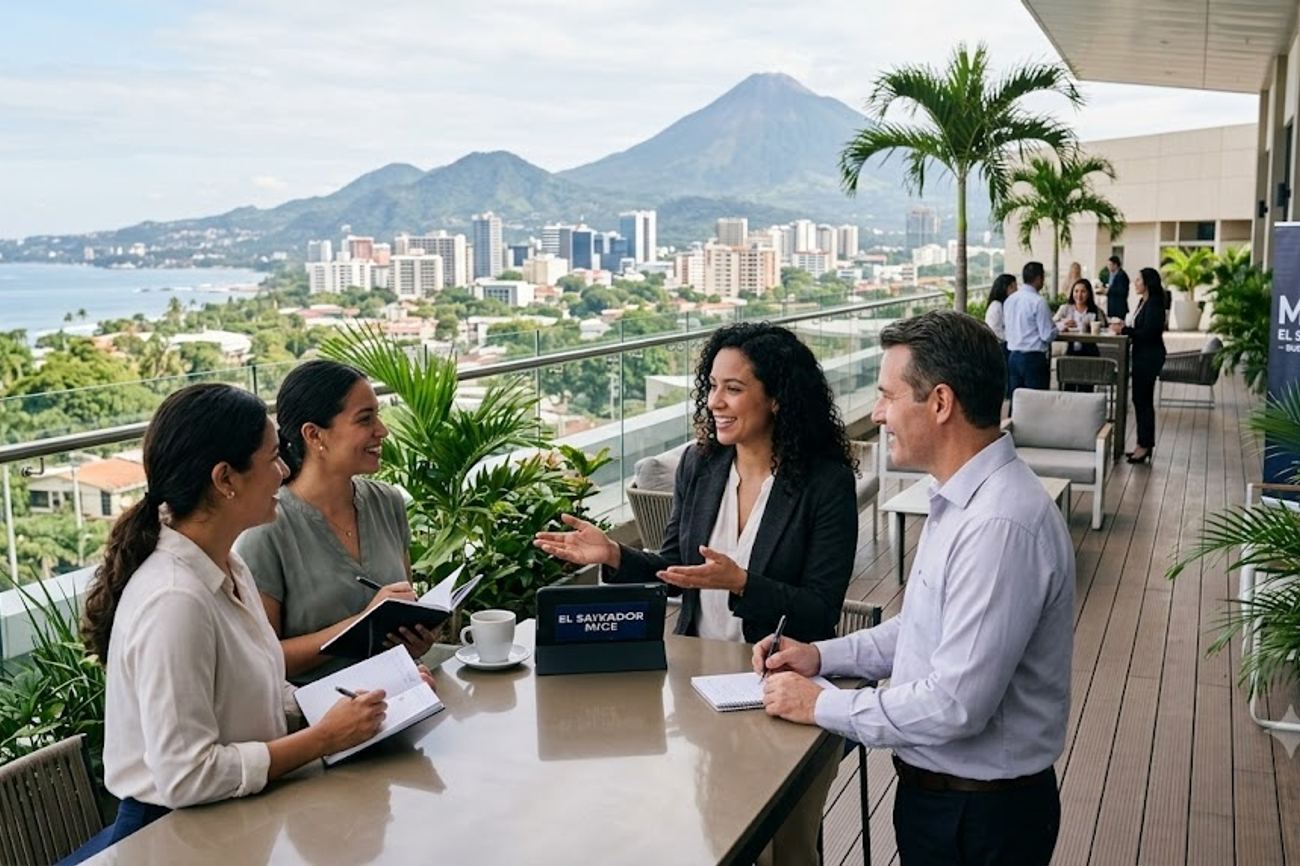
Image generated by AI
September 14 to 19, 2026, marks the window where El Salvador will attempt to pivot its national tourism identity from a leisure destination to a high-yield corporate hub. The El Salvador Travel Market 2026 serves as the primary engine for this transition, specifically designed to bridge the gap between global corporate travel planners and the local hospitality sector. By integrating B2B matchmaking with immersive site visits, the government is signaling a strategic shift toward the MICE (Meetings, Incentives, Conferences, and Exhibitions) sector, moving away from a reliance on traditional sightseeing.
The Architecture of the El Salvador Travel Market
The second iteration of the El Salvador Travel Market is not a standard trade show; it is a structured business development platform. The five-day program is built on a dual-track system: pre-arranged B2B meetings for immediate contract signing and "familiarization experiences" designed to prove the viability of the country's infrastructure to skeptical international buyers.
This approach targets a specific pain point for modern MICE planners: the "conference room vacuum." By moving networking events out of sterile hotel ballrooms and into the country's natural geography, El Salvador is attempting to increase the average daily spend per corporate traveler. The strategy leverages the compact nature of the country, allowing a delegation to transition from a high-tech boardroom in the capital to a Pacific coastline venue without the logistical friction of long-haul domestic transit.
Diversifying the Corporate Itinerary
The current strategy divides the corporate experience into four distinct zones, each serving a specific business function. This zoning allows planners to build a narrative arc for executive retreats—starting with formal governance and ending with incentive-based rewards.
| Zone | Primary Business Function | Key Infrastructure/Assets |
|---|---|---|
| San Salvador | Formal Governance & Logistics | Executive hotels, restaurants, corporate facilities |
| Surf City | Networking & Incentives | La Libertad, El Tunco, coastal connectivity hubs |
| Volcanic Highlands | Creative Breaks & Brand Identity | Outdoor venues, scenic viewpoints, nature excursions |
| Coffee Fincas | Leadership & Strategy Sessions | Historic estates, plantation architecture, tasting rooms |
The integration of the Ministry of Tourism of El Salvador initiatives, particularly the Surf City program, has been central to this expansion. Surf City is not merely a branding exercise for surfers; it is an integrated infrastructure project focusing on workforce development and productivity. For the corporate traveler, this means that the Pacific coast now possesses the connectivity and service standards required to host private executive dinners and team-building activities that were previously only possible in the capital.
Expert Analysis: The "Bleisure" Pivot and Market Positioning
For travelers and corporate planners booking these routes, the direct consequence of this shift is a move toward "integrated itineraries." El Salvador is positioning itself as a boutique alternative to larger regional hubs. By leveraging coffee fincas and volcanic landscapes as legitimate networking spaces, the country is capitalizing on a global trend where leadership teams seek "disconnection to reconnect"—moving away from urban centers to foster creativity.
The pricing pressure this creates is fascinating. As El Salvador invests in the "technology-enabled hacienda" concept, they are essentially upgrading rural properties to meet corporate standards. When a coffee estate can offer seamless high-speed connectivity alongside a traditional plantation experience, it removes the primary barrier for the finance and technology sectors: the fear of productivity loss.
From a logistical standpoint, this strategy reduces the "leakage" of tourism dollars. In a traditional model, a corporate group stays in a San Salvador hotel and eats at the hotel buffet. Under the El Salvador Travel Market 2026 model, that same group is incentivized to spend at a coastal venue in La Libertad, a guided tour in the highlands, and a boutique estate in the coffee region. This distributes economic impact across a broader range of local providers—transport operators, specialized guides, and regional artisans—while providing the corporate client with a high-value, destination-specific narrative.
Key Takeaways
- Strategic Timing: The El Salvador Travel Market 2026 (September 14-19) is the critical window for B2B connections between international buyers and Salvadoran hospitality providers.
- Infrastructure Shift: The "Surf City" initiative has evolved from a beach project into a MICE-ready infrastructure network, specifically targeting the La Libertad and El Tunco areas.
- Zonal Planning: Corporate itineraries are now structured to move from the formal business core of San Salvador to the incentive-heavy environments of the coast and mountains.
- Tech Integration: The emergence of technology-enabled fincas allows leadership teams to conduct high-level strategy sessions in rural settings without sacrificing connectivity.
- Economic Distribution: The new model explicitly aims to move corporate spending out of hotel conference rooms and into the wider local economy through immersive experiences.
FAQ: El Salvador Corporate Travel 2026
What is the El Salvador Travel Market 2026? It is a five-day B2B event held from September 14 to 19, 2026, that connects international corporate travel planners with Salvadoran tourism businesses to develop MICE (Meetings, Incentives, Conferences, and Exhibitions) packages.
Is the Pacific coast suitable for professional business events? Yes. Through the Surf City program, areas like La Libertad and El Tunco have upgraded their infrastructure and connectivity, making them viable for executive retreats, private networking dinners, and team-building activities.
Can remote areas like coffee fincas support corporate technology needs? Yes. There is a growing trend of "technology-enabled haciendas" where historic coffee estates are equipped with modern connectivity, allowing for video calls and presentations in a rural setting.
What is the typical flow of a corporate itinerary in El Salvador? Most programs begin with formal meetings and logistics in San Salvador, then transition to the Pacific coast for incentives, and conclude with nature-based networking in the volcanic highlands or coffee regions.
The transition from a beach destination to a business hub is a high-stakes gamble on infrastructure that could redefine Central American corporate travel.
#ElSalvadorTravelMarket2026 #SurfCityMICE #SanSalvadorBusiness #SalvadoranCoffeeTourism #CentralAmericaCorporateTravel
Related Travel Guides
Disclaimer
This article is for informational and educational purposes only. It does not constitute legal, financial, or professional advice. While we strive to provide accurate and up-to-date information, travel policies, regulations, and conditions change rapidly. Always verify information with official sources before making travel decisions. Nomad Lawyer makes no representations about the accuracy, reliability, completeness, or suitability of the information provided. Readers should consult qualified professionals for advice specific to their circumstances. The views expressed in this article are those of the author and do not necessarily reflect the views of Nomad Lawyer.
Raushan Kumar
Founder & Lead Developer
Full-stack developer with 11+ years of experience and a passionate traveller. Raushan built Nomad Lawyer from the ground up with a vision to create the best travel and law experience on the web.
Learn more about our team →