
USA Travel Boom: Events Transform Regional Destinations Into Powerful Tourism Hotspots

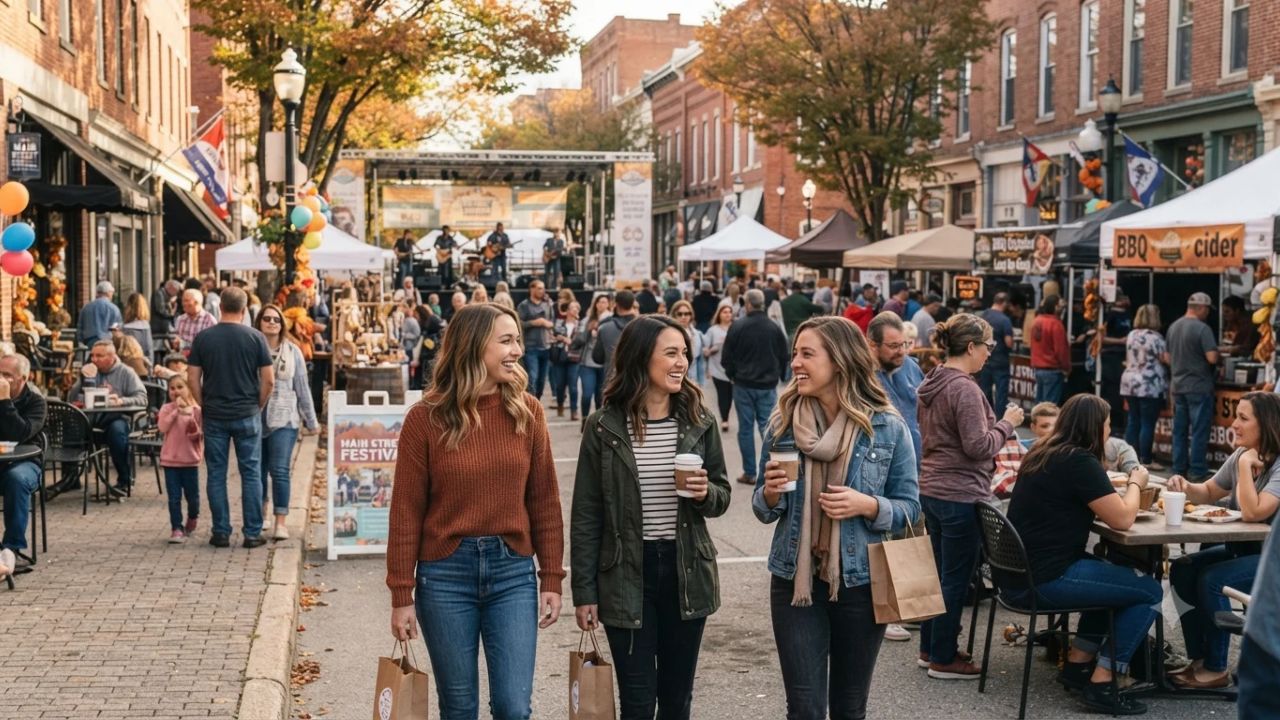
Image generated by AI
Generating over $800 billion in direct annual expenditures across the domestic market, event-driven travel has emerged as the primary economic force redistributing American leisure spending away from congested primary metropolises. By leveraging high-yield youth sports tournaments, heritage assemblies, and seasonal food gatherings to anchor multi-night hotel bookings, smaller cities and regional townships are executing the most significant structural realignment of domestic tourism in modern history.
Decentralized Domestic Mobility: How Secondary Municipalities Outpace Megacities
For decades, the geographic distribution of United States leisure travel followed a highly centralized pattern. Tier-one urban centers such as New York, Los Angeles, Chicago, and Orlando captured the vast majority of out-of-state hotel room nights, backed by massive airport hubs, established convention bureaus, and global branding. Secondary and tertiary municipalities, while possessing rich local heritage and natural beauty, routinely operated as mere transit waypoints or single-afternoon rest stops for highway road-trippers.
That dynamic is undergoing a profound reversal. According to industry analyses published by the U.S. Travel Association, domestic travelers are increasingly prioritizing experience-dense itineraries over generic city sightseeing. High inflation in core metropolitan centers—manifested through punitive valet parking fees, exorbitant hotel resort surcharges, and dense crowds—has accelerated this pivot toward regional alternatives.
When an independent city or rural county organizes a high-profile cultural festival, historical reenactment, or weekend tournament, it solves the fundamental marketing challenge facing small destinations: establishing a non-negotiable arrival date. Rather than waiting passively for spontaneous vacationers, destination marketing organizations create localized demand spikes that justify multi-day stays, filling family-owned restaurants, boutique roadside motels, and local craft taprooms during shoulder seasons.
Sectoral Anatomy of Event Drivers: Sports, Heritage, and the Multi-Night Stay
The commercial expansion of regional tourism is driven by a deliberate division of event typologies, each designed to capture specific demographic spending habits. The most resilient of these sectors is youth and amateur sports tourism. Unlike individual leisure travelers who can easily postpone vacations during economic contractions, family-based sports travel operates under strict, mandatory league schedules.
When a regional municipality invests in a modern sixteen-field soccer complex, a multi-sheet ice arena, or a regional baseball diamond park, it creates a recurring revenue engine. Tournaments bring full teams accompanied by parents, siblings, and coaching staffs who absorb hotel room blocks for three consecutive nights, dine in local family restaurants, and utilize regional fueling stations.
| Event Typology | Average Party Size | Core Booking Window | Primary Municipal Beneficiaries | Peak Economic Multiplier |
|---|---|---|---|---|
| Youth & Amateur Sports | 4 to 15 Travelers | 3 to 4 Nights (Thurs–Sun) | Select-service hotels, suburban dining, retail fuel | Direct tournament registration & dining |
| Regional Heritage & Crafts | 2 to 4 Travelers | 2 to 3 Nights (Fri–Sun) | Historic downtown inns, craft markets, artisan food | High-margin retail & artisanal purchases |
| Music & Autumn Gatherings | 2 to 6 Travelers | 2 to 3 Nights (Weekend) | Short-term vacation rentals, bars, transport shuttles | Ticket admissions, concessions, local transport |
| Agro-Tourism & Harvest Fairs | 3 to 6 Travelers | 1 to 2 Nights (Day/Overnight) | Farm stands, rural campgrounds, roadside markets | Direct-to-consumer agricultural products |
In parallel with competitive sports, regional cultural festivals are transforming the relationship between visitors and local communities. Events celebrating regional culinary traditions, folk arts, or local industrial history convert passive sightseers into engaged cultural consumers. As tracked by the Bureau of Economic Analysis (BEA), cultural and arts tourism yields an outsized economic multiplier: every dollar spent on event admission ripples across peripheral retail, ground transport, and grocery sectors, directly sustaining small business employment across non-metropolitan counties.
The Economics of Group Travel and Regional Hospitality Multipliers
A defining structural advantage of event-based tourism is its inherent reliance on group dynamics. Vacationers rarely attend sports championships, music weekends, or regional culinary gatherings in isolation. They travel as coordinated affinity groups: multi-generational families, athletic clubs, motorcycle clubs, and organized tour circles.
This group structure changes the revenue profile for host communities. Group travelers require standardized group room bookings, large-table restaurant dining, and regional charter transport. In smaller cities, the arrival of 2,000 tournament participants represents an immediate double-digit jump in regional hotel occupancy, pushing average daily room rates (ADR) and revenue per available room (RevPAR) to annual highs.
The long-term value of these assemblies extends far beyond the immediate weekend tally. An event acts as an immersive destination showcase. A family traveling to a mid-sized Midwestern or Southern community for a collegiate track meet or an artisanal harvest fair frequently discovers historic main streets, outdoor recreation trails, and dining districts they had never encountered. This initial exposure acts as organic promotion, driving secondary weekend leisure trips and private vacation rentals throughout subsequent seasons.
Expert Analysis: Lodging Inelasticity, Municipal Infrastructure Compression, and the Dynamic Pricing Shock
For travelers planning trips around regional events, the direct consequence of this decentralized boom is an intense exposure to lodging shortages and dynamic pricing shocks. While large metropolitan centers boast thousands of surplus hotel rooms capable of absorbing unexpected crowd spikes, secondary and rural markets operate with extremely rigid lodging inventories.
The pricing pressure this creates means that when a major youth tournament or regional music gathering convenes in a city of 40,000 residents, local select-service hotel properties immediately deploy aggressive revenue-management algorithms. Standard rooms that ordinarily lease for $110 per night during mid-week periods frequently skyrocket to $350 or $450 per night during event weekends, imposing severe cost burdens on budget-conscious families.
From an infrastructure perspective, small municipal governments face acute operational strain. Narrow secondary road grids experience severe morning and evening bottlenecks around tournament complexes, while municipal sewer, water, and trash-collection systems operate near maximum capacity. In communities with limited full-time emergency response personnel, managing crowd safety and traffic diversion requires deploying volunteer fire departments and regional law enforcement at considerable municipal expense.
To insulate themselves from these pricing and logistical bottlenecks, seasoned travelers must adjust their booking timelines. Securing lodging reservations four to six months prior to scheduled event weekends is now essential, particularly when traveling with extended athletic teams or multi-family groups. In addition, looking beyond the immediate host municipality toward perimeter communities within a 20-to-30-minute driving radius often yields substantially lower accommodation rates, less crowded dining venues, and easier access to primary transit corridors.
Key Takeaways
- Decentralized Travel Economy: Event-driven tourism is channeling billions in domestic travel spending into secondary and rural American communities, outperforming traditional metropolitan growth rates.
- Economic Stability of Sports: Youth and amateur athletic tournaments provide reliable, non-discretionary visitor streams that protect regional hotels and restaurants from broader macroeconomic downturns.
- High-Yield Group Dynamics: Events attract multi-family, athletic, and community groups whose multi-night stays generate high economic multipliers across hospitality, fuel, and retail.
- Acute Lodging Inelasticity: Limited hotel supply in smaller municipalities causes extreme weekend price spikes, requiring travelers to book accommodations several months in advance.
- Infrastructure Balancing Act: Host municipalities must carefully balance the financial windfall of large gatherings against roadway congestion, municipal service strain, and resident quality of life.
FAQ: Event-Driven Regional Tourism 2026
What is driving the growth of event tourism in smaller US cities?
Smaller destinations utilize festivals, cultural gatherings, and sports tournaments to provide travelers with distinct, time-sensitive reasons to visit. These events offer authentic local culture, less crowded attractions, and affordable alternatives to expensive primary metropolitan centers.
How does youth sports tourism impact local economies?
Youth sports tourism generates reliable economic activity because families travel in groups, stay multiple nights in hotels, and spend consistently on dining, retail, and transportation, regardless of broader economic fluctuations.
Why do hotel prices rise sharply in small towns during events?
Unlike major cities with thousands of hotel rooms, smaller communities possess limited lodging inventory. When thousands of event attendees arrive simultaneously, automated hotel revenue algorithms raise prices steeply due to high demand and scarce supply.
How can travelers avoid high lodging costs during regional festivals?
Travelers should book accommodations several months in advance or reserve rooms in neighboring towns located 20 to 30 minutes outside the host community, where hotel rates and restaurant availability remain more stable.
Far from the neon corridors of traditional tourism hubs, America’s regional communities are proving that a town’s true wealth lies not in how big it builds, but in how warmly it gathers.
Related Travel Guides
Morristown Festival on the Green & Historic Downtown Guide
Springfield Illinois Hotel Surge & Route 66 Lincoln Tourism Guide
Disclaimer
This article is for informational and educational purposes only. It does not constitute legal, financial, or professional advice. While we strive to provide accurate and up-to-date information, travel policies, regulations, and conditions change rapidly. Always verify information with official sources before making travel decisions. Nomad Lawyer makes no representations about the accuracy, reliability, completeness, or suitability of the information provided. Readers should consult qualified professionals for advice specific to their circumstances. The views expressed in this article are those of the author and do not necessarily reflect the views of Nomad Lawyer.
Raushan Kumar
Founder & Lead Developer
Full-stack developer with 11+ years of experience and a passionate traveller. Raushan built Nomad Lawyer from the ground up with a vision to create the best travel and law experience on the web.
Learn more about our team →