
Guadeloupe Tourism Strategy 2026: Targeting 1.5 Million Visitors via Premium Sustainable Travel
Guadeloupe is pivoting its tourism model to attract high-value international travelers, targeting 1.5 million visitors by 2030 through a blend of French infrastructure, Creole culture, and aggressive sustainability mandates.

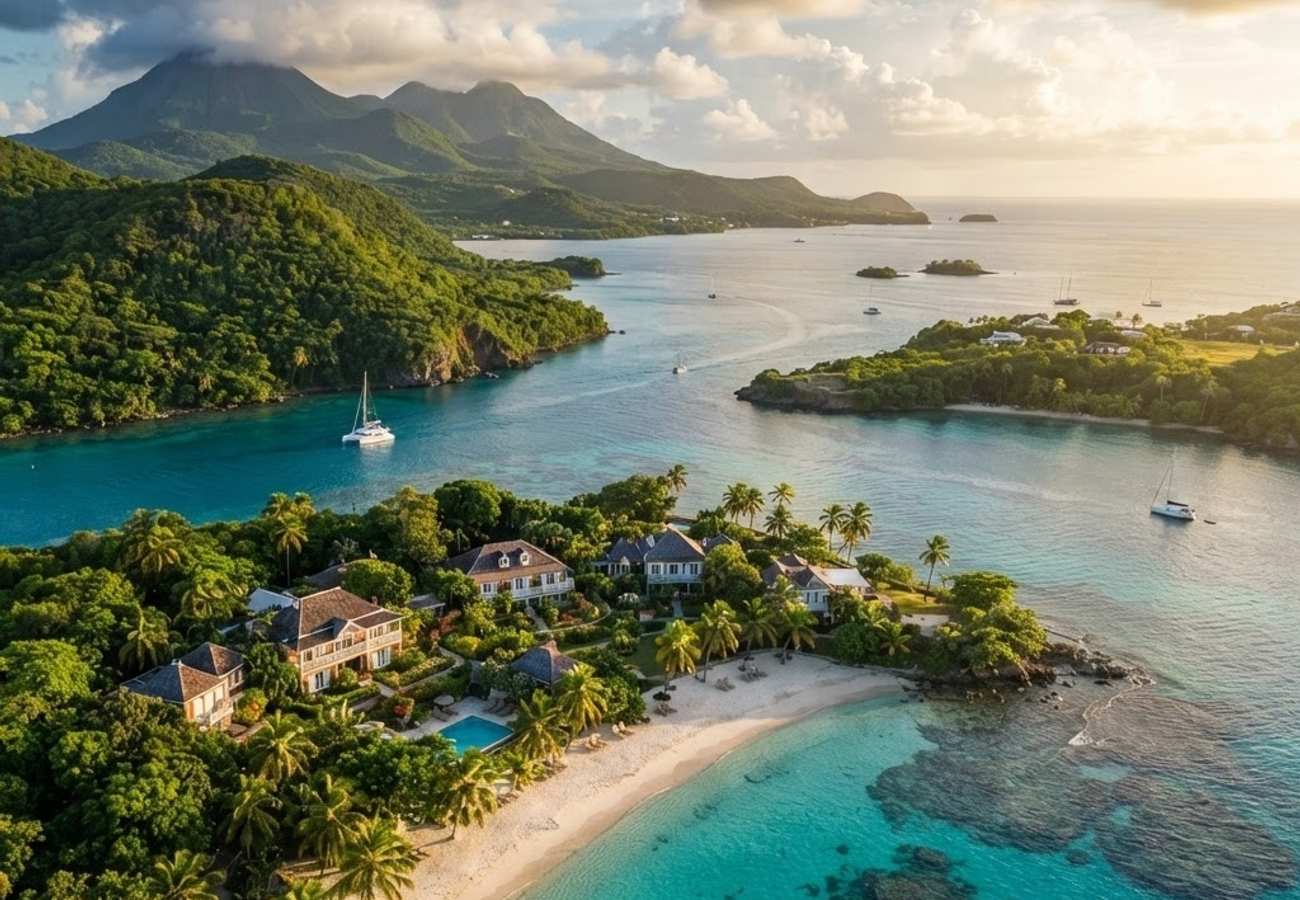
Image generated by AI
Guadeloupe is aggressively diversifying its visitor base, shifting away from a historical reliance on mainland France to target high-net-worth travelers from North America and Europe.
The French Caribbean archipelago is implementing a strategic pivot toward "premium tourism." This model prioritizes higher-value experiences over sheer visitor volume, leveraging the destination's unique position as a blend of European infrastructure and authentic Creole heritage.
Strategic Market Diversification
For decades, Guadeloupe’s tourism economy has been tethered to Paris via strong air connectivity. To build international resilience, tourism authorities are now targeting the United States and Canada. These markets are identified as prime opportunities for travelers seeking a "hybrid" experience: the luxury and standards of French administration paired with tropical Caribbean nature.
Market Priority Analysis
| Tourism Market | Strategic Importance |
|---|---|
| France | Established core visitor market with strong air links |
| North America | Expansion opportunity through cultural and nature tourism |
| Canada | Potential growth through French-speaking and winter escape travellers |
| Europe | Strong connection through France and European travel networks |
| Caribbean region | Regional tourism and island combinations |
Geographic Asset Distribution
Unlike single-island destinations, Guadeloupe utilizes a multi-island network to encourage longer stays. By promoting a "multi-experience" holiday, the archipelago reduces the pressure on single-resort zones and spreads economic benefits across the territory.
Island-Specific Tourism Profiles:
- Basse-Terre: Focused on rainforests, volcanic landscapes, and national park excursions.
- Grande-Terre: Centered on coastal attractions, beaches, and cultural hubs.
- Les Saintes: Positioned for scenic bays and heritage village exploration.
- Marie-Galante: Marketed for rural landscapes and traditional Caribbean lifestyles.
- La Désirade: Targeted toward low-impact, peaceful nature tourism.
The Pivot to Premium and Slow Travel
The archipelago is moving away from mass-market tourism in favor of "Slow Travel." This approach emphasizes deeper cultural immersion and longer durations of stay, which naturally increases the average spend per visitor while reducing the environmental footprint.
High-Value Experience Categories
- Nature & Adventure: Diving, sailing, and hiking through protected tropical forests and waterfalls.
- Culture & Culinary: Immersive experiences in Creole traditions, music, and regional Caribbean flavors.
- Wellness: Nature-integrated relaxation and slow-paced itineraries.
Sustainability and Environmental Mandates
With a target of 1.5 million visitors by 2030, the destination has integrated strict conservation goals into its growth plan. The Guadeloupe National Park serves as the primary vehicle for protecting biodiversity and marine ecosystems.
Sustainability Framework
| Sustainability Priority | Tourism Benefit |
|---|---|
| Biodiversity protection | Preserves wildlife and landscapes |
| Marine conservation | Protects coral and coastal ecosystems |
| Responsible accommodation | Reduces environmental impact |
| Nature-based tourism | Encourages low-impact experiences |
Aviation and Accessibility Requirements
The success of this international expansion is contingent on air connectivity. While links to France remain stable, the growth of the North American segment requires expanded airline partnerships and more frequent seasonal services to make the destination competitive against other Caribbean hubs.
Why This Matters: Industry Analysis
From a logistical and market perspective, Guadeloupe’s shift is a calculated move to decouple its economy from a single source market (France). For the travel industry, this represents a significant opening for boutique agencies and luxury tour operators who specialize in "authentic" rather than "all-inclusive" Caribbean travel.
The real impact here is the transition from a "sun and sand" commodity to a "culture and ecology" product. By leveraging French infrastructure standards, Guadeloupe offers a perceived safety and quality level that attracts a higher-spending demographic. However, the success of the 2030 goal depends entirely on whether the infrastructure can scale without eroding the "authentic" feel that the premium market demands.
Forward Outlook: The Road to 2030
The trajectory toward 1.5 million visitors will require a delicate balance of infrastructure expansion and environmental preservation. Expect to see an increase in boutique, eco-certified accommodations and a rise in curated, high-cost "expedition" style packages that link the five main islands.
The archipelago is betting that quality will eventually outweigh quantity in the global race for Caribbean tourism.
Related Travel Guides
Disclaimer
This article is for informational and educational purposes only. It does not constitute legal, financial, or professional advice. While we strive to provide accurate and up-to-date information, travel policies, regulations, and conditions change rapidly. Always verify information with official sources before making travel decisions. Nomad Lawyer makes no representations about the accuracy, reliability, completeness, or suitability of the information provided. Readers should consult qualified professionals for advice specific to their circumstances. The views expressed in this article are those of the author and do not necessarily reflect the views of Nomad Lawyer.
Preeti Gunjan
Contributor & Community Manager
A passionate traveller and community builder. Preeti helps grow the Nomad Lawyer community, fostering engagement and bringing the reader experience to life.
Learn more about our team →