
Five Indian Mountain Destinations Transform Summer Travel: Rishikesh to Leh Lead Exodus From City Heat in 2026
As urban temperatures soar across India, five high-altitude destinations—Rishikesh, Manali, Leh, Spiti Valley, and Bir Billing—dominate peak summer travel patterns, driving a seasonal shift toward adventure tourism in Himalayan zones.

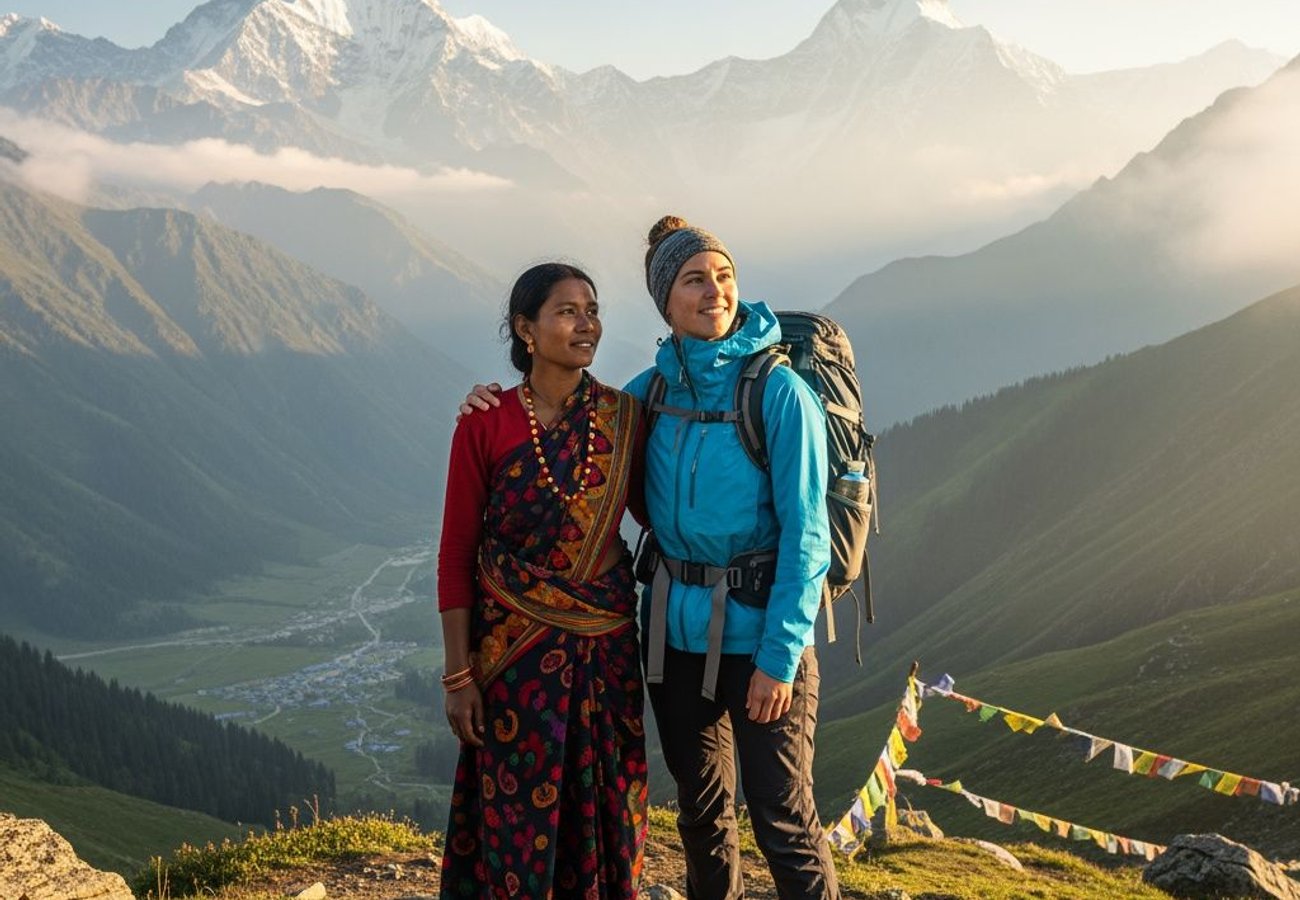
Image generated by AI
The Great Escape: Why India's Travelers Are Fleeing to the Mountains
The pattern is unmistakable. Every summer, as temperatures in Delhi, Mumbai, and Bangalore edge toward unbearable levels, millions of Indians point their compasses northward toward the cooler sanctuary of the Himalayas. In 2026, this migration has crystallized around five specific destinations that together represent India's evolving adventure travel landscape: Rishikesh, Manali, Leh, Spiti Valley, and Bir Billing.
What's driving this shift isn't just climate—it's a fundamental reimagining of what summer vacation means for Indian travelers. Gone are the days of passive beach resort lounging. Today's peak season favors immersive, activity-based experiences in places where altitude and terrain dictate the adventure.
Rishikesh: Where the Ganges Becomes Your Playground
Rishikesh operates as India's most accessible gateway to serious river adventure. Perched along the Ganges corridor, this former spiritual hub has transformed into a white-water hub where seasonal flow variations create year-round rafting conditions of varying difficulty levels.
The infrastructure here tells a story of rapid professionalization. Guided operators manage safety protocols across stretching river sections, while forested zones upstream support kayaking runs, cliff-jump experiences, and riverside camping circuits. What once felt like backpacker territory now functions as a structured outdoor recreation zone.
Reddit: "Rishikesh is perfect if you want adrenaline without flying 12 hours—easy rafting, great food scene, and you're back in Agra in 4 hours." — r/travel
Beyond water sports, the landscape delivers. Short forest treks wind through hill areas surrounding the town, while platforms installed for bungee jumping and aerial swings have expanded the destination's appeal beyond water-based activities. The riverfront ghats remain the social spine of the town, where travelers converge at dusk regardless of their chosen adventure.
Bir Billing: The Paragliding Capital That's Hard to Leave
If you've ever fantasized about sustained flight over mountain valleys, Bir Billing exists for you. This Himalayan corridor—bridging the launch zone at Billing with the landing zone at Bir—creates one of the world's most reliable paragliding systems.
The geography is almost magical. Wind patterns remain consistent during peak season, allowing flights to extend over forested valleys and layered ridges for extended periods. The terrain has created a dual economy: training pilots competing for certifications, and experienced flyers hunting for the perfect extended flight window.
On the ground, movement slows deliberately. Walking trails pierce through pine forests linking small settlements, while cycling routes thread between hamlets. The accommodation model—predominantly homestays and eco-camps—reflects the low-impact tourism philosophy that has taken root here over the past decade.
Leh: Where Roads Become the Adventure
Leh presents a fundamentally different travel experience. Accessible only after mountain passes clear in late spring and early summer, this high-altitude hub sits at the intersection of sparse vegetation, extreme elevation, and landscapes of geological drama.
Road travel dominates the experience here. Long-distance motorcycle journeys crossing precipitous passes attract overland adventurers who thrive on altitude shifts, remote stretches, and unpredictable weather. These routes demand careful acclimatization planning and accept limited connectivity as part of the bargain.
The Indus River provides secondary adventure infrastructure through rafting sections, while trekking routes ascend into adjacent valleys and glacial zones. Medieval monasteries positioned on elevated terrain inject cultural significance into an otherwise physically demanding environment. In Leh, geography doesn't merely frame the experience—it dictates it entirely.
Manali: The Flexible Mountain Base
Manali functions as the accessibility sweet spot. Positioned in the Kullu Valley, this transitional destination connects established tourism infrastructure with serious high-altitude zones, all within manageable distances.
Paragliding sites operate in surrounding valleys where wind and open slopes support medium-duration flights. Trekking extends into alpine zones. Camping follows river paths. Operators facilitate ziplining, ATV rides, and terrain-based activities across forested roads and hillside tracks. Unlike remote Himalayan alternatives, Manali allows rapid movement between town facilities and wilderness without extended planning.
This flexibility attracts everyone: casual tourists seeking short adventures and organized groups requiring logistical support. The destination punches above its weight in accessibility-to-adventure ratio.
Spiti Valley: The High-Altitude Outlier
Spiti Valley operates in an entirely different register. This high-altitude desert zone, accessed seasonally through mountain roads, rewards patience over speed.
Travel here is fundamentally road-based—long stretches through barren terrain, riverbeds, and passes where individual activities matter less than sustained movement through extreme landscapes. Trekking links scattered villages and monasteries positioned in isolation. Camping dominates accommodation due to infrastructure scarcity outside main settlements.
The valley's primary gift? Atmospheric clarity. With minimal light pollution, night sky observation rivals any destination on Earth. Clear summer skies transform Spiti into an astronomy hub during peak season.
The Bigger Picture: A Seasonal Revolution
What unites these five destinations transcends their individual characteristics. Together, they reveal a decisive shift in Indian summer travel patterns. As urban heat intensifies, travelers increasingly abandon city-based leisure for terrain-driven experiences in Himalayan and trans-Himalayan zones.
The equation is straightforward: climate + improved connectivity + cultural appetite for immersive outdoor travel = a complete reimagining of peak season. These five destinations have become the poles of a new adventure geography, where elevation and isolation function as features rather than bugs.
For the nomadic professional, the adventure seeker, or the heat-exhausted urbanite, India's mountains in summer 2026 represent something increasingly rare—accessible extreme experiences within a single country's borders.
The mountains aren't calling anymore. They're the default answer to "where are you going this summer?"
Related Travel Guides
Disclaimer
This article is for informational and educational purposes only. It does not constitute legal, financial, or professional advice. While we strive to provide accurate and up-to-date information, travel policies, regulations, and conditions change rapidly. Always verify information with official sources before making travel decisions. Nomad Lawyer makes no representations about the accuracy, reliability, completeness, or suitability of the information provided. Readers should consult qualified professionals for advice specific to their circumstances. The views expressed in this article are those of the author and do not necessarily reflect the views of Nomad Lawyer.
Raushan Kumar
Founder & Lead Developer
Full-stack developer with 11+ years of experience and a passionate traveller. Raushan built Nomad Lawyer from the ground up with a vision to create the best travel and law experience on the web.
Learn more about our team →