
Greece Sustainable Tourism Shift 2026: Transitioning from Coastal Hubs to Arcadia and Ancient Olympia
Analysis of the 2026 shift in Greek tourism toward the Peloponnese, focusing on the economic impact of resident-led projects in Arcadia and sustainable heritage visits to Ancient Olympia.

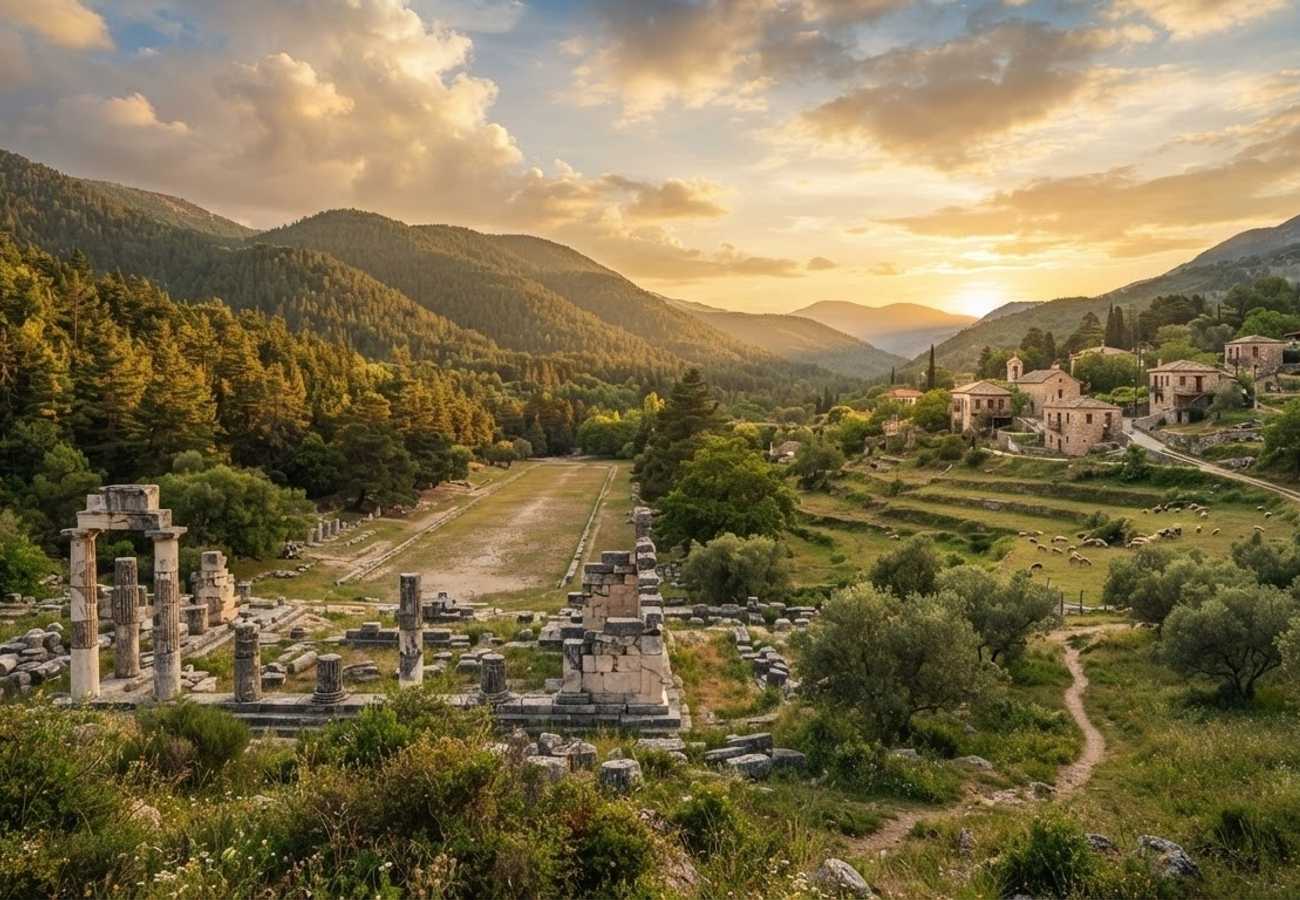
Image generated by AI
The Greek tourism model is undergoing a structural pivot in 2026, moving away from saturated coastal hubs toward the interior of the Peloponnese. This shift aims to mitigate environmental degradation and redistribute economic gains to rural shepherd families and village cooperatives.
The Shift Toward Inland Sustainable Tourism
Current travel patterns in Greece indicate a transition from "checklist tourism" to immersive, responsible exploration. The primary objective is to reduce the structural pressure on overcrowded island hubs and Mediterranean hotspots, which have historically suffered from seasonal over-tourism.
Analysis shows that travelers are increasingly prioritizing the Greek countryside, specifically the pine-forested regions of Arcadia. This movement is not merely a preference for tranquility but a strategic effort to prevent the mutation of local species and the degradation of fragile coastal ecosystems.
Regional Impact Breakdown: Arcadia and the Peloponnese
The redistribution of tourist traffic is manifesting in specific geographic and economic shifts:
- Arcadia Mountain Sanctuaries: High-altitude retreats, such as MANNA ARCADIA, are replacing beach resorts as primary destinations. Activities have shifted to nature walks, wild herb foraging, and seasonal truffle hunting.
- Ancient Olympia: There is a move toward "active heritage" engagement. Visitors are encouraged to utilize the original ancient stadium track and engage with the archaeological museum to create a personal link with history rather than passive sightseeing.
- Local Economic Nodes: Resident-led projects, such as the Arcadiana Village (co-owned by seven local residents), are capturing spending that previously flowed to multinational hotel chains.
Passenger Rights & Advisory: Navigating the Interior
For the affected passenger or traveler moving toward rural Greece, this transition requires a different approach to logistics and consumer rights. Our analysis of the current travel landscape suggests the following:
- Booking Flexibility: As travelers move toward boutique, decentralized offerings and resident-owned workshops, standard corporate cancellation policies may not apply. Passengers should verify specific refund terms for "boutique stays" which often differ from global hotel chain mandates.
- Transport Rights: Travelers utilizing regional transit to reach inland Arcadia should be aware that delays in rural infrastructure are common. While EU261/2004 covers flight disruptions to major hubs (like Athens), it does not cover local ground transport. Ensure comprehensive travel insurance that includes "trip interruption" for rural transfers.
- Direct Economic Impact: For the conscious traveler, choosing resident-led cooking workshops (e.g., traditional sourdough wedding bread or homemade marmalade) ensures that financial resources stay within the regional community, directly empowering local families.
Industry Analyst View: The Macroeconomic Pivot
The global travel sector is witnessing a transformation where large commercial tour operators are forced to adapt their business models. We are seeing a rise in the promotion of inland itineraries and off-season packages to flatten the seasonal demand curve.
Historically, multinational corporations captured the majority of vacation spending. However, the rise of decentralized, boutique offerings in the Peloponnese is forcing global booking engines to integrate smaller, local providers. This structural shift stabilizes local employment markets and reduces the environmental wear associated with the "summer rush."
By directing traffic toward mountain sanctuaries, the industry reduces plastic pollution and water shortages along busy shorelines, creating a more balanced, year-round business cycle for the Greek hospitality market.
The true value of the 2026 Greek travel experience is measured by transformative moments and the preservation of regional identity over the collection of trinkets.
Related Travel Guides
Disclaimer
This article is for informational and educational purposes only. It does not constitute legal, financial, or professional advice. While we strive to provide accurate and up-to-date information, travel policies, regulations, and conditions change rapidly. Always verify information with official sources before making travel decisions. Nomad Lawyer makes no representations about the accuracy, reliability, completeness, or suitability of the information provided. Readers should consult qualified professionals for advice specific to their circumstances. The views expressed in this article are those of the author and do not necessarily reflect the views of Nomad Lawyer.
Preeti Gunjan
Contributor & Community Manager
A passionate traveller and community builder. Preeti helps grow the Nomad Lawyer community, fostering engagement and bringing the reader experience to life.
Learn more about our team →