
Southwest Airlines Flight WN4461 Boeing 737-7H4 Diverts from Las Vegas to Los Angeles International Airport in 2026
A detailed look at the diversion of Southwest Airlines Flight WN4461 from Las Vegas to Los Angeles, highlighting aviation safety protocols and regional hub resilience.

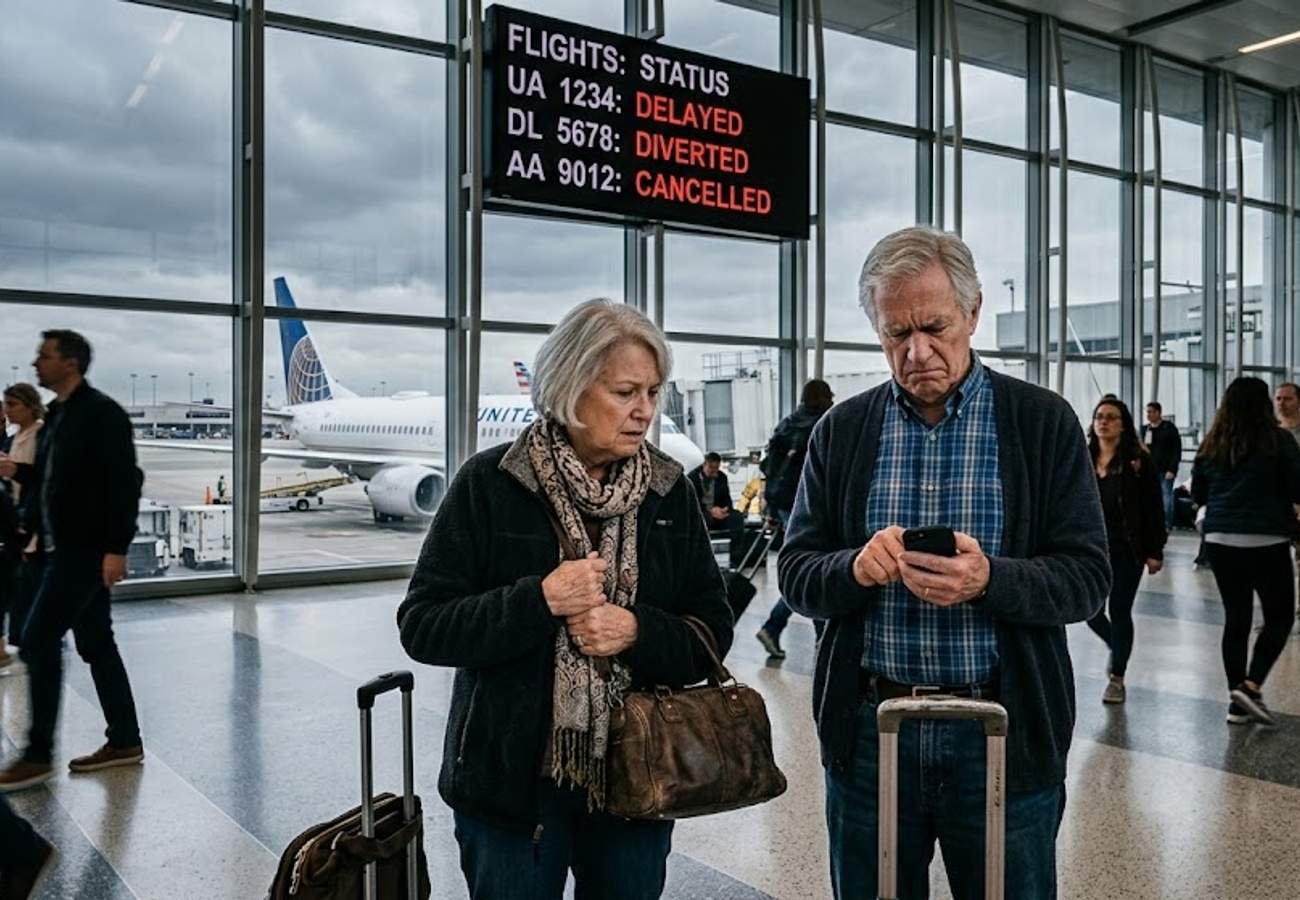
Image generated by AI
A scheduled regional jump between Nevada and Arizona took an unexpected turn on July 20, 2026, as a Southwest Airlines flight was redirected to one of the world's busiest aviation hubs for safety reasons.
The Local Trend Revealed
On July 20, 2026, Southwest Airlines Flight WN4461, operated by a Boeing 737-7H4 (registration N443WN), departed Harry Reid International Airport in Las Vegas at 18:35. While the flight was originally scheduled to arrive at Phoenix Sky Harbor International Airport by 19:34, the aircraft was diverted to Los Angeles International Airport (LAX), where it landed safely at 19:50.
While the airline has not released a specific public cause for the redirection, such maneuvers are standard operational responses to a variety of triggers. These include sudden weather shifts, passenger medical emergencies, air traffic control restrictions, or precautionary aircraft technical checks. The decision to route the Boeing 737-7H4 to LAX rather than continuing to Phoenix underscores the strategic importance of "mega-hubs" in the Western United States. LAX provides a level of maintenance infrastructure and passenger support services that smaller regional strips cannot match during an unplanned event.
Cultural & Environmental Value (Information Gain)
This incident highlights the critical role of aviation resilience and the interconnected nature of the Southwest US travel corridor. The triangle formed by Las Vegas, Phoenix, and Los Angeles is one of the most high-traffic aviation zones in North America.
From a regional perspective, the ability of LAX to absorb diverted traffic without collapsing its own schedule is a testament to modern aviation management. For the traveling community, these diversions represent a "safety-first" culture where operational redundancy is prioritized over schedule adherence. By utilizing major hubs for diversions, airlines ensure that passengers have immediate access to diverse lodging and transport options, reducing the economic impact on smaller communities that might be overwhelmed by a sudden influx of stranded travelers.
To maintain these standards, regional aviation bodies and the Federal Aviation Administration (FAA) emphasize the importance of pilot discretion and the use of real-time telemetry to make diversion calls long before a situation becomes critical.
Visitor Insider Tips
For those navigating the Western US aviation corridor, especially during the peak summer months of 2026, keep these practical tips in mind:
- The "Hub-and-Spoke" Backup: When flying into smaller regional airports, always check if your airline has a strong presence at a nearby major hub (like LAX or PHX). If a diversion occurs, your rebooking options will be significantly faster if the airline owns a large fleet at that specific hub.
- Digital Documentation: Keep a digital copy of your itinerary and a portable charger. During diversions, airport Wi-Fi can become congested, and airline apps are the fastest way to receive gate changes and hotel vouchers.
- Off-Peak Windows: To avoid the congestion that often leads to air traffic diversions in the Southwest, aim for flights departing between 05:00 and 07:00. This window typically avoids the mid-day heat-related turbulence common in the Arizona desert.
- Local Etiquette: If diverted to a city like Los Angeles, remember that ride-share zones are strictly regulated. Follow the airport signage precisely to avoid fines or delays in exiting the terminal.
Tourism Outlook
The long-term impact of such operational shifts is a move toward "Predictive Aviation." By 2026, the integration of AI-driven weather forecasting and aircraft health monitoring is expected to reduce the number of unplanned diversions. However, the reliance on primary hubs like LAX remains a cornerstone of US aviation safety.
As tourism continues to surge in Las Vegas and Phoenix, the pressure on Harry Reid and Sky Harbor airports will increase. This makes the seamless coordination between these cities and the Los Angeles hub more vital than ever. The ability to pivot a flight from a short hop to a major metropolitan landing ensures that the regional tourism economy remains stable, even when technical or environmental disruptions occur.
Safety protocols ensure that an unplanned detour remains a minor inconvenience rather than a major crisis.
Related Travel Guides
Disclaimer
This article is for informational and educational purposes only. It does not constitute legal, financial, or professional advice. While we strive to provide accurate and up-to-date information, travel policies, regulations, and conditions change rapidly. Always verify information with official sources before making travel decisions. Nomad Lawyer makes no representations about the accuracy, reliability, completeness, or suitability of the information provided. Readers should consult qualified professionals for advice specific to their circumstances. The views expressed in this article are those of the author and do not necessarily reflect the views of Nomad Lawyer.
Kunal K Choudhary
Co-Founder & Contributor
A passionate traveller and tech enthusiast. Kunal contributes to the vision and growth of Nomad Lawyer, bringing fresh perspectives and driving the community forward.
Learn more about our team →