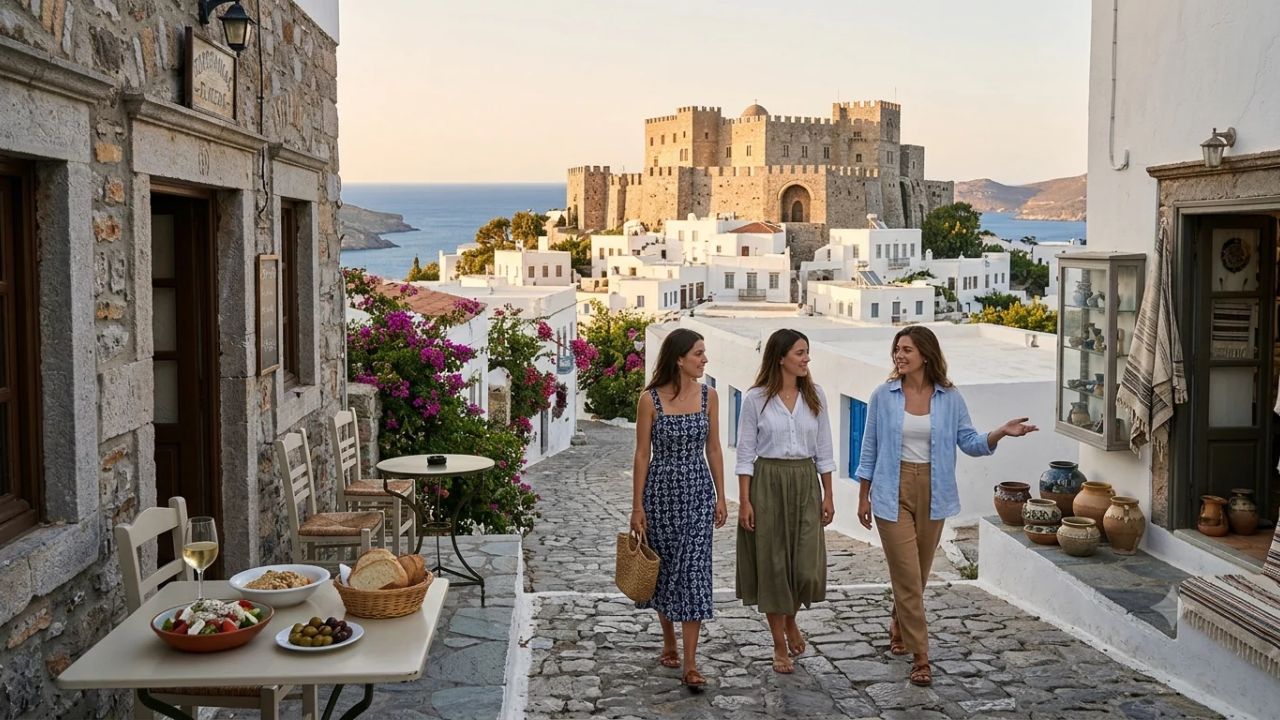
Greece Launches Sustainable Tourism and Port Infrastructure Plan for Diapontia Islands in 2026

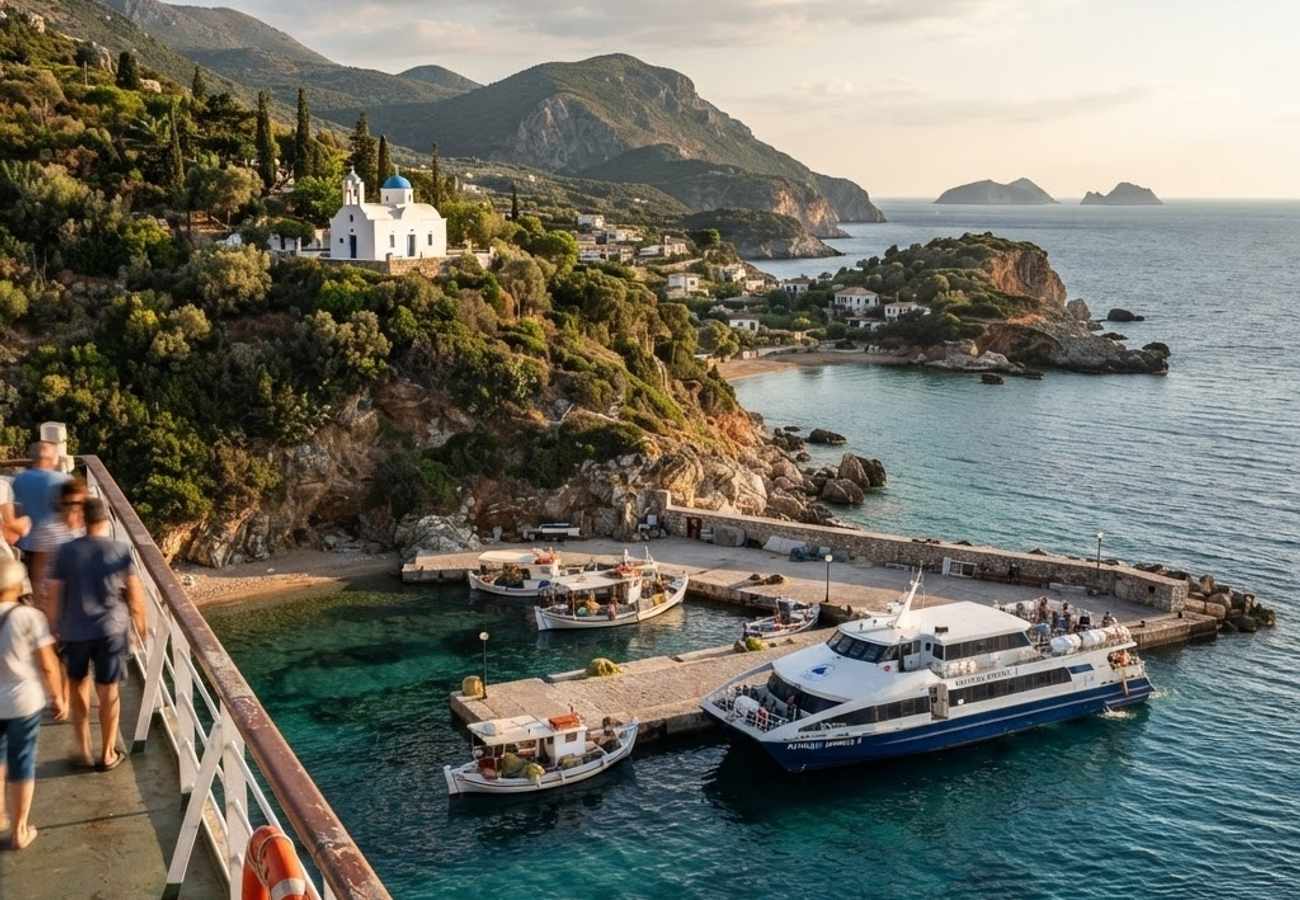
Image generated by AI
The Greek government has initiated a targeted development strategy for the Diapontia Islands, focusing on upgraded maritime connectivity and port facilities to integrate Othonoi, Mathraki, and Ereikousa into the broader Corfu tourism ecosystem.
Following a high-level site visit on 24 August 2026, Tourism Minister Olga Kefalogianni and Ionian Islands Regional Governor Yiannis Trepeklis outlined a framework to resolve critical infrastructure deficits. The strategy prioritizes land and port upgrades to ensure that increased visitor flows do not compromise the ecological integrity or the unique character of these remote northwestern outposts.
Strategic Shift Toward Low-Impact Tourism
Unlike the mass-market models seen in other Greek archipelagos, the Diapontia Islands are being positioned as high-value, low-density destinations. The government is moving away from volume-based metrics, focusing instead on economic viability for permanent residents and the preservation of natural landscapes.
Central to this effort is the Destination Management and Promotion Organisation (DMMO) for the Ionian Islands Region. The DMMO will move beyond traditional marketing to implement data-driven management, ensuring that visitor numbers remain proportionate to the physical limits of each island. This prevents the infrastructure strain typically associated with rapid tourism expansion.
Connectivity and Maritime Logistics
Because Othonoi, Mathraki, and Ereikousa lack airports, maritime reliability is the primary catalyst for economic growth. The current strategy leverages Corfu as a global gateway, encouraging international travelers to extend their itineraries to the smaller islands.
Diapontia Islands Transit Parameters
| Island | Primary Connection | Distance from Corfu | Key Geographic Feature | Target Tourism Segment |
|---|---|---|---|---|
| Othonoi | Maritime / Port | ~12 Nautical Miles | 30km coastline | Nature & Maritime |
| Mathraki | Small-boat / Harbour | Maritime Link | Small bays & beaches | Slow Travel / Quietude |
| Ereikousa | Maritime / Port | Maritime Link | Low-density terrain | Eco-tourism / Sailing |
Traveler Logistics Guide: Navigating the Diapontia Islands
From a ground-level perspective, the best way to navigate this region is to treat Corfu Town or northern Corfu ports as your primary logistics hub. Since transport is heavily dependent on maritime conditions, flexibility is mandatory.
Booking and Connections Travelers should avoid tight connections. Maritime links to Mathraki and Ereikousa can be sporadic and are highly susceptible to weather-related cancellations. We recommend a minimum 24-hour buffer when scheduling return flights from Corfu International Airport.
Optimal Layover and Transit Times For those visiting Othonoi, the 12-nautical-mile crossing is relatively short, but the lack of extensive port infrastructure means boarding and disembarkation can be slow. Allocate at least 2-3 hours for transit logistics.
Digital and Customs Policies While these islands are within the Schengen Area, visitors should ensure all digital travel authorizations are current. For those arriving via private charters or sailing vessels, ensure all port entry fees and maritime declarations are handled through the official Hellenic Coast Guard protocols to avoid delays at the smaller harbors.
Infrastructure and Regional Impact Assessment
The implementation of the Special Spatial Planning Framework for Tourism—jointly developed by the Ministries of Tourism and Environment and Energy—marks a pivot toward "special-interest" tourism. By funding walking trails, marine experiences, and cultural discovery paths, Greece aims to extend the tourism season beyond the traditional summer peak.
This shift is designed to keep small island communities economically active year-round. By supporting local retail, marine services, and small-scale accommodation, the government intends to provide the economic incentive necessary for permanent residents to remain on the islands, preventing the "ghost town" effect often seen in overly seasonal destinations.
The balance between accessibility and preservation will determine if the Diapontia Islands become a sustainable model for remote Greek tourism.
Related Travel Guides
This article is for informational purposes. Flight routes, passenger regulations, visa rules, and transit advisories are subject to change by airlines and aviation authorities. Readers are advised to verify schedules and travel documentation with relevant carriers and border agencies before departure.
Related Stories
Europe’s Premier Destinations Reshape Tourism: Barcelona, Venice, and Canary Islands Impose New Caps, Fees, and Housing Rules

Belize Tourism Board Appoints FINN Partners for Global Rebrand Across US and Major European Markets