
Greece Beach Crystal Clear Waters: Mediterranean's Premier Coastal Escape 2026
Greece's most stunning beach destination attracts record numbers of digital nomads and travelers in 2026, offering turquoise waters and golden sands in a tranquil Mediterranean setting.

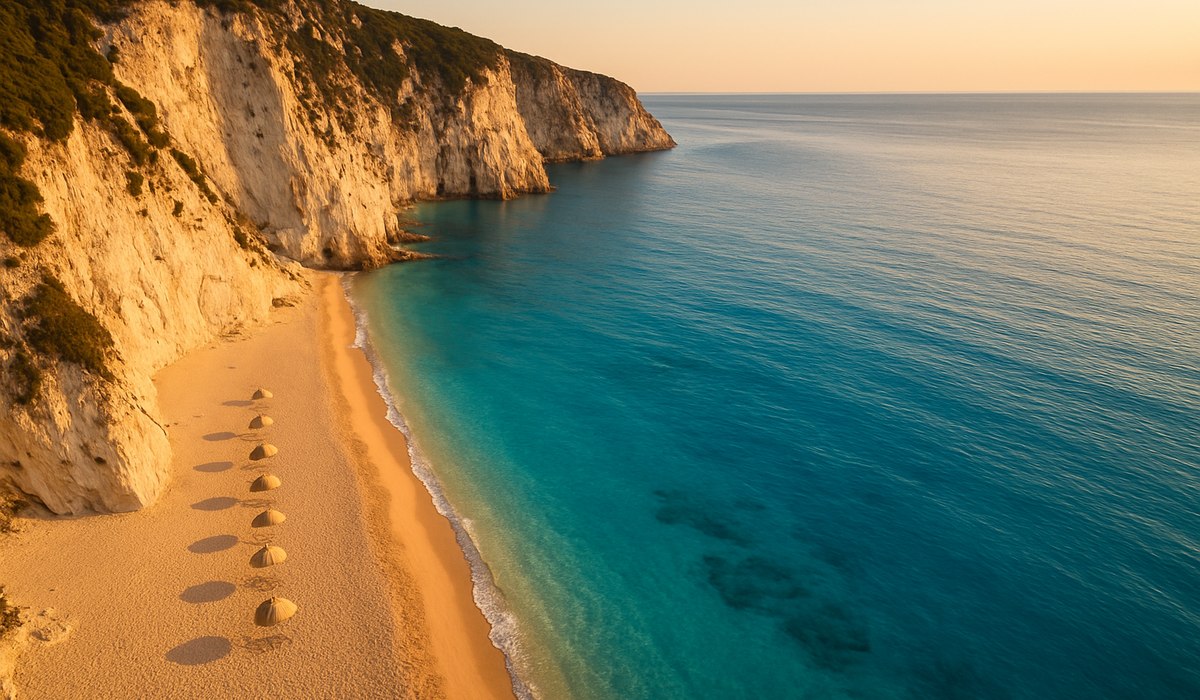
Image generated by AI
Greece's Most Captivating Coastal Sanctuary Continues Attracting Global Travelers
Greece's finest beach destinations are experiencing unprecedented visitor interest in 2026, with travelers worldwide seeking authentic Mediterranean experiences combined with professional work opportunities. The country's commitment to sustainable tourism infrastructure and enhanced digital connectivity has transformed remote-work travel, making it an ideal destination for nomads and leisure seekers alike. Warm waters, golden sands, and stunning coastal views continue drawing visitors eager to escape bustling city centers and embrace a relaxed Mediterranean lifestyle along Greece's crystalline shores.
Why This Greek Beach Stands Out
Greece boasts numerous celebrated beaches, yet certain destinations elevate the travel experience through exceptional clarity and pristine conditions. The Greece beach crystal clear waters phenomenon results from geological formations, limited industrial development, and strategic conservation efforts protecting marine ecosystems. These turquoise waters create an almost surreal backdrop for swimming, snorkeling, and water-based activities.
The unique combination of warm Mediterranean currents and shallow, sandy bottoms produces visibility exceeding 40 meters in optimal conditions. Local environmental initiatives implemented over the past decade have significantly improved water quality and beach preservation. The peaceful atmosphere contrasts sharply with overcrowded Mediterranean hotspots, offering visitors genuine tranquility. Golden sands stretch for kilometers, providing ample space for sunbathing, picnicking, and relaxation without feeling cramped or commercial.
Beyond natural beauty, the area supports thriving local communities maintaining traditional hospitality standards. Seafood tavernas serve daily catches, while accommodation options range from luxury resorts to family-owned guesthouses. The authentic Mediterranean retreat experience remains undiluted by mass tourism chains dominating other European destinations.
Best Time to Visit and What to Expect
Planning your visit during optimal conditions ensures maximum enjoyment of Greece's exceptional beach environments. The warm waters peak between June and September, with water temperatures reaching 26-28°C (79-82°F). However, shoulder seasons in May and early October offer equally compelling experiences with fewer crowds and slightly more affordable accommodations.
July and August bring peak tourist traffic, transforming quieter stretches into busier social hubs. Spring months (April-May) showcase wildflower blooms dotting coastal hillsides while water temperatures gradually warm to comfortable swimming levels. Early autumn provides ideal conditions: warm waters persist, summer heat moderates, and visitor numbers decline substantially.
Wind patterns shift seasonally, affecting water conditions and beach accessibility. Northern wind systems (Etesian winds) occasionally create choppy surface conditions during peak summer, though sheltered coves remain calm year-round. Expect Mediterranean weather patterns with minimal rainfall from June through September, virtually guaranteeing sunny days perfect for coastal exploration.
Visit the Greek National Tourism Organisation for comprehensive seasonal information and current conditions. Check TripAdvisor for real-time traveler feedback and seasonal observations from recent visitors.
How to Get There
Reaching Greece's premier beach destinations requires understanding transportation networks connecting major hubs with coastal regions. International flights land at Athens' Eleftherios Venizelos Airport, approximately 180 kilometers from many celebrated beach areas. Direct flights from European and North American cities arrive throughout the year, with increased frequency during summer months.
Domestic transportation options include modern bus networks, rental vehicles, and seasonal ferry services connecting island communities. Driving provides maximum flexibility, though Greek road infrastructure varies considerably outside major tourist corridors. Ferry systems operate extensively between mainland ports and island destinations, offering scenic alternatives to flying or driving.
Public transportation remains affordable and reliable, with KTEL bus networks serving most coastal regions efficiently. Train services connect Athens to regional centers, though final destinations typically require bus or taxi connections. Local taxi services and ride-sharing apps operate effectively in established tourist areas, providing convenient last-mile connectivity.
Accommodation bookings near transportation hubs simplify arrival logistics considerably. Many visitors arrange pre-arrival transportation through hotel concierge services or established ground operators familiar with regional logistics.
Activities and Nearby Attractions
Beyond swimming in warm waters, coastal regions offer diverse recreational pursuits enriching any Mediterranean vacation. Snorkeling reveals underwater ecosystems teeming with Mediterranean marine life, including colorful fish species and ancient rock formations creating natural galleries. Equipment rentals at beach clubs provide convenient access to snorkeling adventures for visitors without personal gear.
Hiking trails wind through coastal vegetation, connecting beaches with panoramic viewpoints overlooking turquoise waters and distant islands. Many routes incorporate traditional villages offering authentic dining and cultural experiences unavailable in resort-concentrated areas. Kayaking expeditions explore hidden coves inaccessible by land, revealing secluded swimming spots and dramatic limestone cliffs rising directly from the sea.
Water sports infrastructure has expanded significantly, with operators offering windsurfing, paddleboarding, and sailing instruction for all experience levels. Photography opportunities abound, particularly during golden hour when sunlight transforms coastal landscapes into luminous Mediterranean scenes perfect for documenting travel experiences.
Archaeological sites pepper coastal regions, connecting contemporary beach relaxation with ancient Greek civilization exploration. Local museums showcase maritime history, traditional crafts, and cultural heritage connecting visitors with regional identity. Evening traditional music performances in waterfront tavernas create memorable social experiences while sampling local cuisine and excellent Mediterranean wines.
Practical Travel Tips for Visitors
Maximizing your Greece beach experience requires attention to practical details ensuring comfort and safety throughout your stay. Sun protection proves essential despite tempting warm waters and golden sands—UV exposure at Mediterranean latitudes exceeds protection needs for unacclimated visitors. Apply high-SPF sunscreen regularly, particularly during midday hours when sun intensity peaks.
Pack reef-safe sunscreen products protecting delicate marine ecosystems while safeguarding your skin. Bring lightweight, breathable clothing accommodating warm daytime temperatures and cooler evening conditions. Aqua shoes provide protection from rocky areas and sea urchins occasionally present in Mediterranean waters.
Currency considerations affect budgeting significantly. Greece uses euros, with most establishments accepting credit cards, though cash remains valuable for small vendors and remote locations. Accommodation booking substantially in advance secures preferred locations and better rates, particularly during peak summer months when availability diminishes rapidly.
Learn basic Greek phrases—locals appreciate genuine communication efforts despite widespread English proficiency in tourist areas. Respect local customs regarding beach behavior, particularly modest dress standards in traditional village areas. Marine conservation remains critical; avoid touching coral formations, disturbing wildlife, or collecting shells and specimens.
Stay hydrated constantly, as Mediterranean heat combined with sun exposure accelerates dehydration. Drink water regularly even when not actively exercising or swimming. Establish daily routines that include afternoon rest periods during peak heat hours, observing traditional siesta customs respected throughout Mediterranean communities.
| Factor | Details |
|---|---|
| Water Temperature (Peak Season) | 26-28°C (79-82°F) June-September |
| Water Visibility | 30-40+ meters in ideal conditions |
| Best Visiting Months | May-October (July-August peak crowds) |
| Currency | Euro (EUR) |
| Language | Greek (English widely spoken in tourist zones) |
| Primary Access | Athens airport (180km), ferries from mainland ports |
| Accommodation Range | Budget hostels to luxury resorts |
| Average Daily Temperature | 28-32°C (82-90°F) during peak season |
What This Means for Travelers
Three actionable strategies maximize your Greece beach crystal clear waters experience:
-
Timing Optimization: Book your visit during May or early October when warm waters remain comfortable, golden sands attract fewer crowds, and accommodation prices decrease 20-40% compared to July-August peak season. This strategic timing preserves budget while enhancing relaxation quality.
-
Multi-Activity Planning: Combine beach days with snorkeling, hiking, and cultural exploration to create diverse itineraries preventing activity monotony. Allocate specific days for water-based purs
Disclaimer
This article is for informational and educational purposes only. It does not constitute legal, financial, or professional advice. While we strive to provide accurate and up-to-date information, travel policies, regulations, and conditions change rapidly. Always verify information with official sources before making travel decisions. Nomad Lawyer makes no representations about the accuracy, reliability, completeness, or suitability of the information provided. Readers should consult qualified professionals for advice specific to their circumstances. The views expressed in this article are those of the author and do not necessarily reflect the views of Nomad Lawyer.
Kunal K Choudhary
Co-Founder & Contributor
A passionate traveller and tech enthusiast. Kunal contributes to the vision and growth of Nomad Lawyer, bringing fresh perspectives and driving the community forward.
Learn more about our team →