Grand Cayman Teams Up With Aruba and More as Caribbean Beaches Take Centre Stage for Sargassum-Smart Holidays

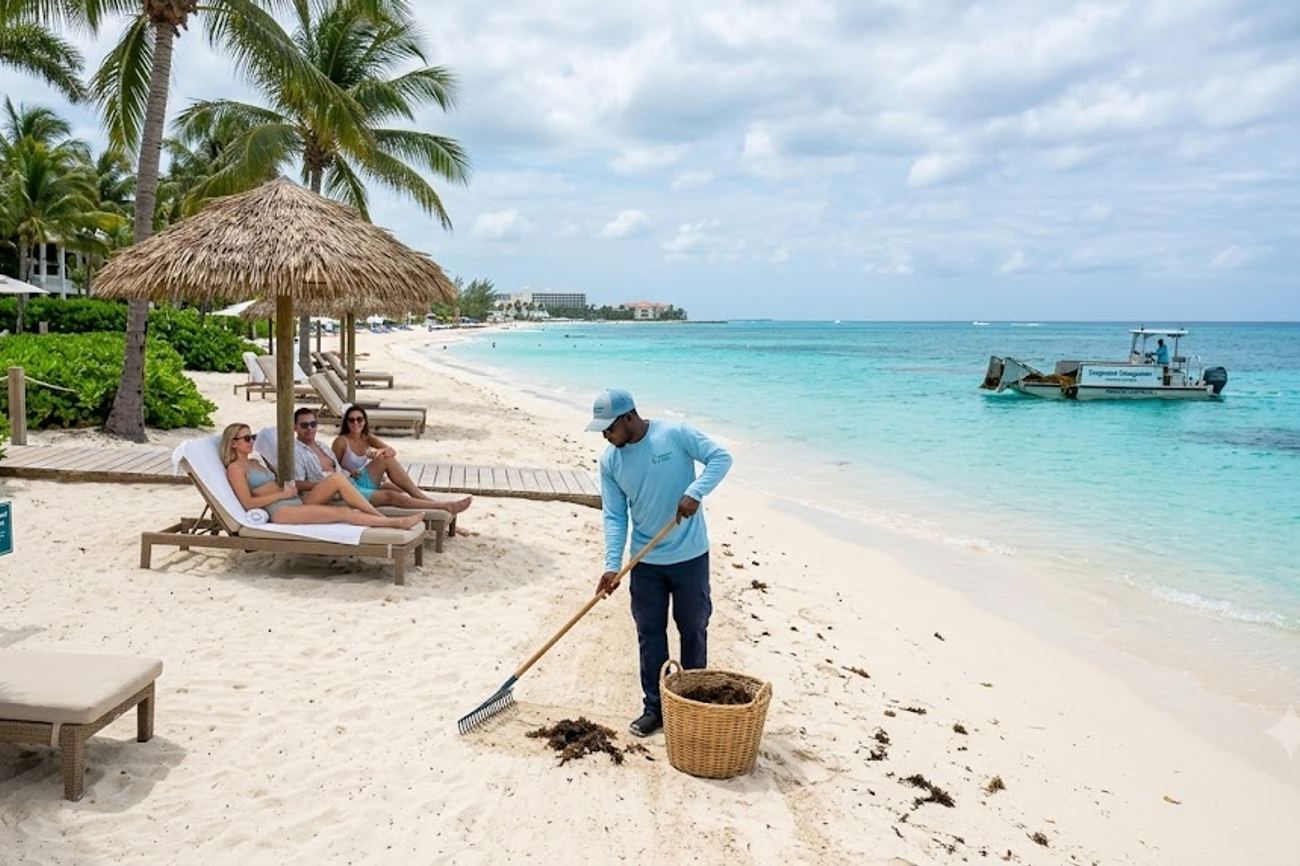
Image generated by AI
The secret to a clear-water Caribbean holiday in 2026 isn't choosing the right island, but choosing the right coastline. Because sargassum—the floating brown algae that can clog shores—is driven by fickle ocean currents and wind patterns, two beaches on the same island can look entirely different on the same afternoon.
The Shift Toward Sargassum-Smart Travel
For years, travelers viewed the Caribbean as a monolith of white sand and turquoise water. However, the increasing unpredictability of sargassum inundation has forced a shift in how we plan escapes. We are seeing the rise of "sargassum-smart" travel, where the itinerary is built around flexibility and geographic strategy rather than a single resort booking.
The current trend is to prioritize destinations with diverse coastal exposures. For instance, the western shores of Grand Cayman or Aruba often provide a different environmental profile than their eastern counterparts. By utilizing tools like the NOAA Daily Sargassum Inundation Risk system, which employs satellite observations to categorize risk across the Caribbean and the Gulf of Mexico, savvy travelers are now treating beach selection as a dynamic process. In 2026, the goal is no longer to find a "guaranteed" algae-free beach—which doesn't exist—but to base oneself in locations where a short drive or boat ride can lead to a completely different shoreline condition.
What Makes These Strategic Shores Different
When you look at the map, certain spots offer a natural advantage due to their positioning. In Mexico, Playa Mujeres provides a strategic alternative to the more exposed stretches of the Riviera Maya. Located north of central Cancún, it allows visitors to pivot quickly between resort beaches and boat-based excursions if the shoreline becomes cluttered. Similarly, Playa Norte on Isla Mujeres benefits from its northern position; the island's compact size means you can traverse from one side to the other via golf cart in minutes, allowing for real-time adjustments based on the tide.
Further south, the ABC islands (Aruba, Bonaire, Curaçao) offer a distinct advantage. Eagle Beach in Aruba, situated on the western/southwestern coast, is often a more reliable bet for those seeking wide sands and clear swimming waters. In Curaçao, Mambo Beach serves as a hub for nightlife and dining, but the island's varied coastline means alternatives are always within reach.
For those heading to the English-speaking Caribbean, Seven Mile Beach in the Cayman Islands and Grace Bay in Turks and Caicos remain gold standards for luxury and water sports, though their exposure to open currents means conditions can shift rapidly. The key is the "coastal pivot"—the ability to move from a western shore to a protected bay within the same trip.
Visitor Insider Tips
Having spent significant time navigating these waters, I’ve found that the "brochure" way of visiting often leads to disappointment during sargassum season. Here is how to actually handle these destinations:
Timing and Logistics Avoid booking "beach-only" resorts that lack transport. To be sargassum-smart, you need mobility. In Isla Mujeres, rent a golf cart immediately upon arrival; it is the only way to scout the northern and southern tips of the island to see where the water is clearest. For those in the Riviera Maya, prioritize hotels in Playa Mujeres that offer shuttle services into Cancún, giving you a fallback plan for shopping and dining if the beach is impass up.
Local Etiquette and Expectations Understand that local beach crews work tirelessly to clear sargassum manually. Be patient with them. In places like Grand Cayman, respect the designated snorkeling zones—some areas are more prone to algae accumulation than others, and moving into protected sanctuaries can disrupt fragile ecosystems.
The Grand Cayman Islands have joined forces with Aruba and other Caribbean destinations to promote Sargassum-smart holidays, providing travelers with a unique and resilient beach experience. For the most up-to-date information on travel requirements and guidelines, visitors can check the official Cayman Islands Government website for the latest updates. This collaborative effort aims to support the local tourism industry while ensuring a safe and enjoyable experience for all travelers.
Regional Flavors to Seek Don't let the resort buffet define your trip. In the Yucatán region, seek out cochinita pibil—slow-roasted pork marinated in citrus and achiote. In Aruba and Curaçao, look for "catch of the day" spots away from the main strips to experience authentic Dutch-Caribbean fusion.
Transport Hacks When visiting the US Virgin Islands, specifically Frederiksted Beach in St. Croix, use local taxis to explore the western coast. The western exposure here often differs from the rest of the island, making it a strategic spot for sunsets and swimming.
Cultural and Environmental Context
The influx of sargassum is not just a tourist inconvenience; it is a complex environmental challenge that affects the very heart of Caribbean communities. For local fishers and coastal residents, the algae can block access to the sea and affect marine biodiversity. However, this has also sparked a wave of innovation. Many local governments are now partnering with environmental agencies to monitor satellite data and implement more sustainable cleaning methods that don't strip the beach of its natural nutrients.
Tourism interacts with this crisis in a delicate balance. While resorts spend thousands on daily cleaning, the "smart" traveler supports local businesses that promote eco-tourism and reef preservation. By visiting UNESCO World Heritage sites or supporting national park services, travelers can contribute to the long-term resilience of these islands. The shift toward flexible travel also reduces the pressure on a single "famous" beach, distributing the environmental footprint across multiple smaller, local coastlines. For a broader understanding of regional conservation, the official tourism boards often provide updates on sustainable practices and current beach conditions.
FAQ: Visiting the Caribbean 2026
What is the best way to check beach conditions before I go? Use the NOAA Daily Sargassum Inundation Risk system. It provides satellite-derived data and risk categories for the Caribbean and Gulf of Mexico. Check it daily as you approach your travel date, as conditions change based on wind and currents.
Do I need a visa for these destinations? It depends on your nationality. US citizens generally do not need visas for short tourist stays in Mexico, Aruba, or the Cayman Islands, but always check the official government portal of your destination for the most current entry requirements.
How do I get to Isla Mujeres from Cancún? The most common route is via ferry from the Hotel Zone or Puerto Juárez in Cancún. The trip is short, and once you arrive, the best way to navigate the island's various beaches is by renting a golf cart.
Is it safe for solo travelers to explore different coastlines? Yes, provided you stay in well-traveled areas. In destinations like Aruba and Grand Cayman, solo travel is very common. Using official taxis or reputable car rental agencies is the safest way to move between different coastal positions.
Stop chasing the perfect postcard and start following the currents.
Related Travel Guides
- Côte d’Ivoire Targets Brazilian Tourists With New Abidjan Campaign Following TAAG Air Link
- Launceston Lead Other Cities in Oceania’s Shift to Transform Regional Year-Round Live-Work-Visit Tourism
- South Korea Follows Laos and More Source Markets Giving Cambodia Tourism a Shocking Decline Amid Border Crisis and Safety Concerns
This article is for informational purposes. Flight routes, passenger regulations, visa rules, and transit advisories are subject to change by airlines and aviation authorities. Readers are advised to verify schedules and travel documentation with relevant carriers and border agencies before departure.
Related Stories

European Mass Protests Disrupt Travel Across France, Italy, Belgium, and Turkey in 2026

Israel Tourism Recovery 2026: North American Flight Restorations and New ETA-IL Entry Rules