
Android Seismic Alerts Mitigate Casualties in Venezuela Earthquake Sequence
Analysis of how Google's Android Earthquake Alerts System provided critical warnings during the Morón and La Guaira eart

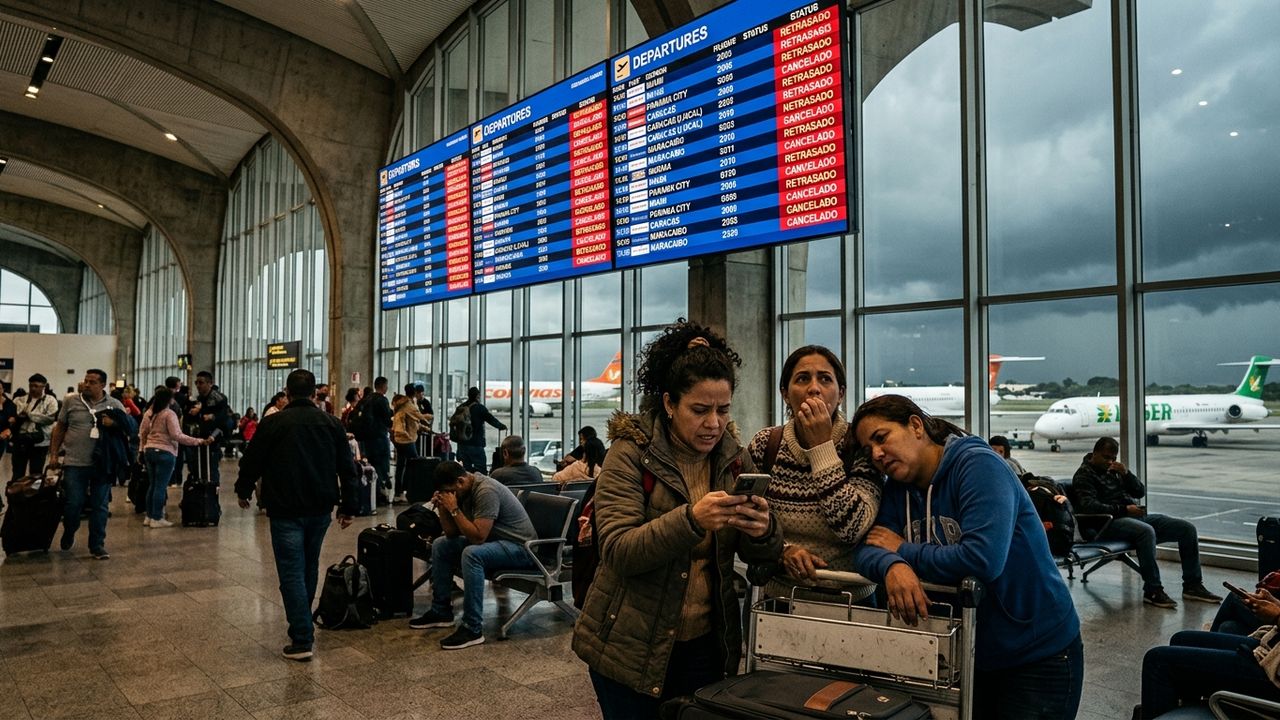
Image generated by AI
Millions of residents in northern Venezuela received automated warnings seconds before peak shaking during a devastating seismic sequence. The technology provided a critical survival window in the coastal corridors of Morón and La Guaira.
The Core Development
A series of high-magnitude earthquakes struck northern Venezuela on June 26, 2026, causing severe structural failure across coastal districts. The event was characterized by twin earthquakes occurring within one minute of each other, centered near Morón.
The intensity of the shaking led to widespread collapse of residential and commercial infrastructure. However, the deployment of the Android Earthquake Alerts System (AEAS) transformed millions of smartphones into a distributed sensor network, delivering warnings before the most destructive waves hit.
Key Facts Breakdown
- Epicenter & Impact: Primary destruction concentrated in Morón and La Guaira; shockwaves extended toward Caracas.
- Warning Window: Users received alerts ranging from a few seconds up to 30 seconds before peak shaking.
- Technical Mechanism: The system uses smartphone accelerometers to detect P-waves (primary waves) and transmits data to the cloud to predict the arrival of S-waves (secondary/destructive waves).
- Alert Tiers:
- "Be Aware": Non-disruptive notifications for moderate-risk zones.
- "Take Action": High-priority alarms that bypass silent mode and "Do Not Disturb" for high-risk zones.
- Infrastructure Damage: Total disruption of transportation networks; Caracas airport operations were suspended for safety evaluations.
System Response Logic
| Alert Level | Trigger Condition | Device Behavior | User Instruction |
|---|---|---|---|
| Be Aware | Moderate predicted shaking | Standard notification | Safety guidance |
| Take Action | High predicted shaking | Loud alarm / Full-screen override | Drop, Cover, and Hold On |
Why This Matters
Industry observers note that this event validates the shift from fixed-station seismology to crowdsourced detection. Traditional seismic networks require expensive, physically installed sensors that are often sparse in developing regions. By leveraging the existing hardware in billions of Android devices, Google has effectively democratized early warning systems.
Our analysis indicates that the "seconds-before-impact" window is the most critical variable in urban survival. In high-density zones like La Guaira, where structural collapse is near-instantaneous, a 10-to-30-second warning allows for immediate behavioral changes—such as exiting a building or moving away from glass—that directly correlate to lower mortality rates.
Industry Outlook
Expect a surge in integration between consumer mobile hardware and national emergency management agencies. As the efficacy of distributed accelerometer networks is proven, governments in seismic-prone regions will likely move away from relying solely on government-owned sensors. The future of disaster resilience will rely on "hybrid grids" combining professional seismometers with real-time mobile data to eliminate blind spots in global earthquake monitoring.
Related Travel Guides
Disclaimer
This article is for informational and educational purposes only. It does not constitute legal, financial, or professional advice. While we strive to provide accurate and up-to-date information, travel policies, regulations, and conditions change rapidly. Always verify information with official sources before making travel decisions. Nomad Lawyer makes no representations about the accuracy, reliability, completeness, or suitability of the information provided. Readers should consult qualified professionals for advice specific to their circumstances. The views expressed in this article are those of the author and do not necessarily reflect the views of Nomad Lawyer.
Preeti Gunjan
Contributor & Community Manager
A passionate traveller and community builder. Preeti helps grow the Nomad Lawyer community, fostering engagement and bringing the reader experience to life.
Learn more about our team →