
Fuel squeeze puts Europe's summer flights on edge amid Middle East crisis
Europe's aviation sector faces potential jet fuel shortages ahead of peak summer 2026 travel season. Middle East supply disruptions threaten flight schedules, fares, and airport operations across the continent.

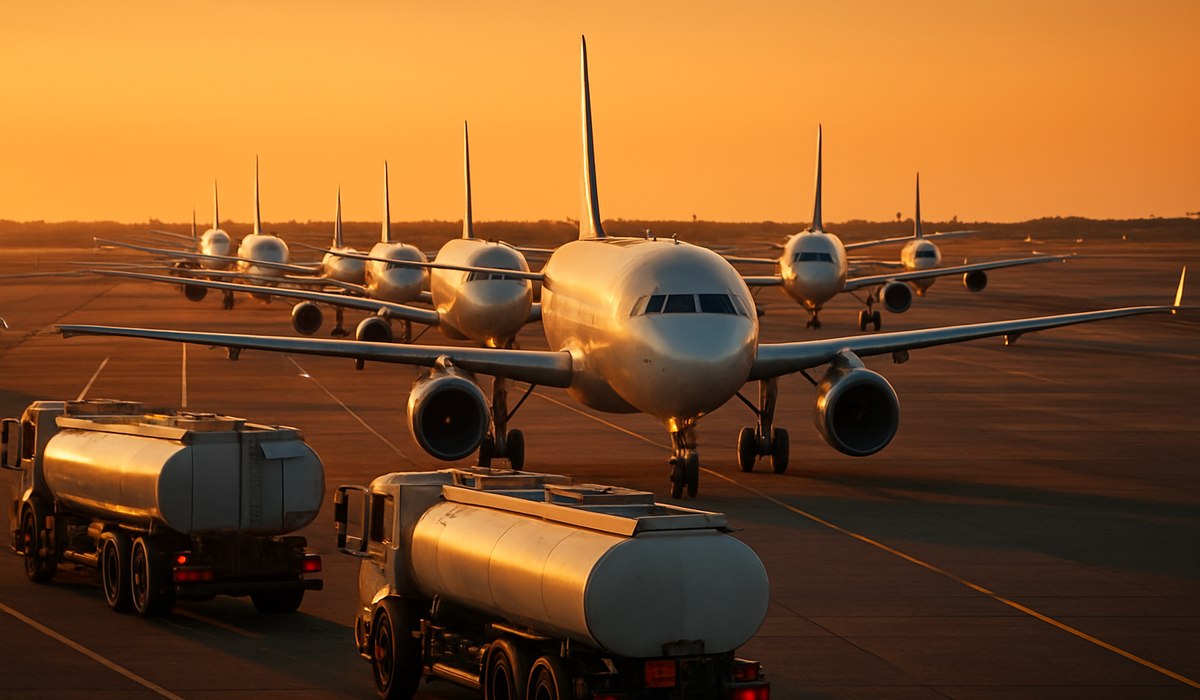
Image generated by AI
Europe's Summer Travel Season Faces Critical Jet Fuel Supply Crisis
Europe's aviation industry enters peak summer 2026 travel season under unprecedented pressure as Middle East supply disruptions threaten jet fuel availability across the continent. Starting late February, regional conflicts and geopolitical tensions have effectively closed major shipping routes, cutting off crucial fuel shipments that European airports depend on. Industry analysts warn that without restored supply flows within weeks, travelers could face widespread flight cancellations, schedule reductions, and significantly higher airfares throughout June, July, and August. The situation has prompted urgent action from airport operators, airlines, and EU regulators scrambling to prevent operational chaos during Europe's busiest travel period.
Iran Conflict Exposes Europe's Aviation Fuel Vulnerability
The jet fuel shortage crisis has deep roots in Middle Eastern geopolitical instability. Since late February, ongoing regional conflicts have effectively blocked the Strait of Hormuz—a critical global chokepoint handling substantial volumes of crude oil and refined aviation kerosene shipments. This disruption has removed significant petroleum supplies from world markets, pushing benchmark oil prices higher and intensifying global competition for alternative fuel sources.
Europe faces particular vulnerability because its domestic refinery network produces insufficient jet fuel to meet continental demand. The region has historically relied on imported aviation kerosene from Middle Eastern producers to bridge this structural gap. Recent tanker tracking data shows that final large kerosene cargoes from Gulf suppliers have already arrived in Northwest European ports, signaling that replacement barrels will not materialize quickly enough. Industry observers characterize the current situation as systemic strain—storage tanks steadily depleting, emergency stockpile protocols under review, and airlines implementing creative refueling strategies to preserve available supplies. The critical variable determining whether Europe avoids widespread disruptions depends on whether rerouted shipments from US refineries and increased domestic European production can compensate before summer demand peaks.
Structural Deficit: European Refineries Struggling to Meet Demand
Europe's refinery infrastructure faces a fundamental production shortfall that has been masked temporarily by stable Middle Eastern imports. Industry data compiled throughout spring 2026 reveals a widening gap between regional jet fuel manufacturing capacity and actual consumption requirements. This structural deficit means Europe cannot meet summer aviation fuel demand through domestic sources alone—a reality that becomes catastrophic when international supply chains fracture.
The continent's aging refinery fleet has contracted significantly over the past decade. Simultaneous pressure from energy transition policies, economic headwinds, and maintenance requirements has reduced overall capacity precisely when geopolitical supply disruptions demand maximum domestic output. Airlines operating across European hubs now confront a scenario where fuel availability becomes as critical as securing landing slots. Some carriers have begun implementing operational workarounds: arriving at secondary airports with extra fuel uplifted elsewhere, consolidating routes through well-supplied major hubs, or adding technical refueling stops on longer flights. These adaptations maintain schedules temporarily but create cascading delays and inefficiencies that ultimately burden travelers with longer journey times and missed connections.
Timeline Critical: Can US Reroutes and Domestic Output Prevent Shortages?
Aviation industry analysts have identified a critical window spanning roughly four to six weeks as the make-or-break period for Europe's summer travel season. If crude oil flows through the Strait of Hormuz remain disrupted beyond early May, jet fuel supply constraints could materialize as early as late May or June—precisely when peak holiday travel patterns begin accelerating. Airport operators, particularly ACI Europe representing hundreds of continental airports, have publicly warned that localized shortages could trigger operational restrictions within weeks rather than months.
The US refinery network represents the most viable alternative supply source, with American producers already increasing aviation kerosene exports destined for European markets. However, logistical realities impose hard constraints: transatlantic tanker movements require minimum 10-14 day transit times, meaning today's shipment decisions only address fuel needs 2-3 weeks hence. Simultaneously, European refineries are implementing emergency protocols to maximize kerosene output, but production increases cannot occur overnight without sacrificing other petroleum products. The arithmetic remains unforgiving: if disruptions persist and replacement supplies fail to arrive on schedule, certain European airports—particularly those serving leisure destinations and island economies—face genuine supply rationing by peak summer season.
What Airlines and Airports Are Doing Now
Major European carriers have activated contingency protocols across multiple operational dimensions. Lufthansa, Air France-KLM, Ryanair, and IAG have adjusted fuel hedging strategies while intensifying negotiations with refinery suppliers to secure exclusive or priority access during scarcity periods. These negotiations often involve premium pricing but guarantee operational continuity—a worthwhile trade-off for carriers whose summer schedules generate disproportionate annual revenue.
Airport operators have implemented immediate measures including fuel delivery restrictions, mandatory fuel uplift coordination between carriers, and emergency stockpile activation. Italian airports including Bologna, Milan Linate, Treviso, and Venice have already imposed fuel delivery limitations tied to restricted supplies from Middle Eastern-linked distributors. Airlines operating these airports now arrive with supplemental fuel uplifted elsewhere—a tactic that maintains schedules but strains supply at other European hubs. Check FlightAware for real-time flight status updates and schedule changes across affected airports. The FAA and US DOT provide regulatory guidance on airline obligations regarding fuel surcharges and schedule disruptions.
Critical Supply Chain Data: European Jet Fuel Crisis at a Glance
| Metric | Status | Impact |
|---|---|---|
| Strait of Hormuz Closure | Since Feb 2026 | Removes 30-40% of typical European kerosene imports |
| European Refinery Output Gap | Structural deficit widening | Domestic production covers only 60-65% of summer demand |
| US Reroute Timeline | 10-14 days transit | Insufficient to close gap if disruptions extend past May |
| Italian Airport Limitations | Already active | Bologna, Milan, Venice, Treviso implementing fuel rationing |
| ACI Europe Shortage Warning | Within weeks | Peak risk window: late May through July 2026 |
| Major Carrier Fuel Hedging | 75-80% of needs covered | Masks cost impact but does not create physical fuel supply |
| Emergency EU Stockpiles | Limited transparency | National reserves control makes situation assessment difficult |
What This Means for Travelers
The fuel squeeze puts European summer travel in genuine jeopardy. Here's what you need to know and do immediately:
Immediate Actions:
-
Review your booking. Check whether your airline has announced fuel surcharges, schedule changes, or route modifications. Visit your carrier's website directly rather than relying on secondary sources.
-
Understand airline policies. Carriers may consolidate flights, extend journey times via refueling stops, or impose additional fuel surcharges averaging 10-15% of base fares. Confirm rebooking options if your flight is cancelled.
-
Monitor departure airports. Airports in Mediterranean regions, Southern Italy, Greece, and island destinations face highest shortage risk. Consider flying through major continental hubs (Frankfurt, Paris, Amsterdam) where fuel access remains more secure.
-
Book flexible tickets. If traveling late May through August, prioritize tickets with free schedule change options. Premium economy and business class passengers typically receive priority during disruptions.
-
Track real-time conditions. Use FlightAware to monitor frequency changes on your planned route. Subscribe to airline alerts for proactive schedule notifications.
-
Know your passenger rights. The US DOT enforces air traveler protections; EU regulations provide compensation for cancellations and significant delays. Document everything for potential claims.
Frequently Asked Questions About Europe's Fuel Crisis
Will my summer 2026 flight to Europe be cancelled?
Canc
Disclaimer
This article is for informational and educational purposes only. It does not constitute legal, financial, or professional advice. While we strive to provide accurate and up-to-date information, travel policies, regulations, and conditions change rapidly. Always verify information with official sources before making travel decisions. Nomad Lawyer makes no representations about the accuracy, reliability, completeness, or suitability of the information provided. Readers should consult qualified professionals for advice specific to their circumstances. The views expressed in this article are those of the author and do not necessarily reflect the views of Nomad Lawyer.
Preeti Gunjan
Contributor & Community Manager
A passionate traveller and community builder. Preeti helps grow the Nomad Lawyer community, fostering engagement and bringing the reader experience to life.
Learn more about our team →