
Goa Monsoon Magic: Rain Transforms Beaches and Forests Into a Green Paradise
Goa's monsoon season transforms the state into a verdant paradise, offering unique ecotourism, spectacular waterfalls, and rich cultural experiences away from summer crowds.

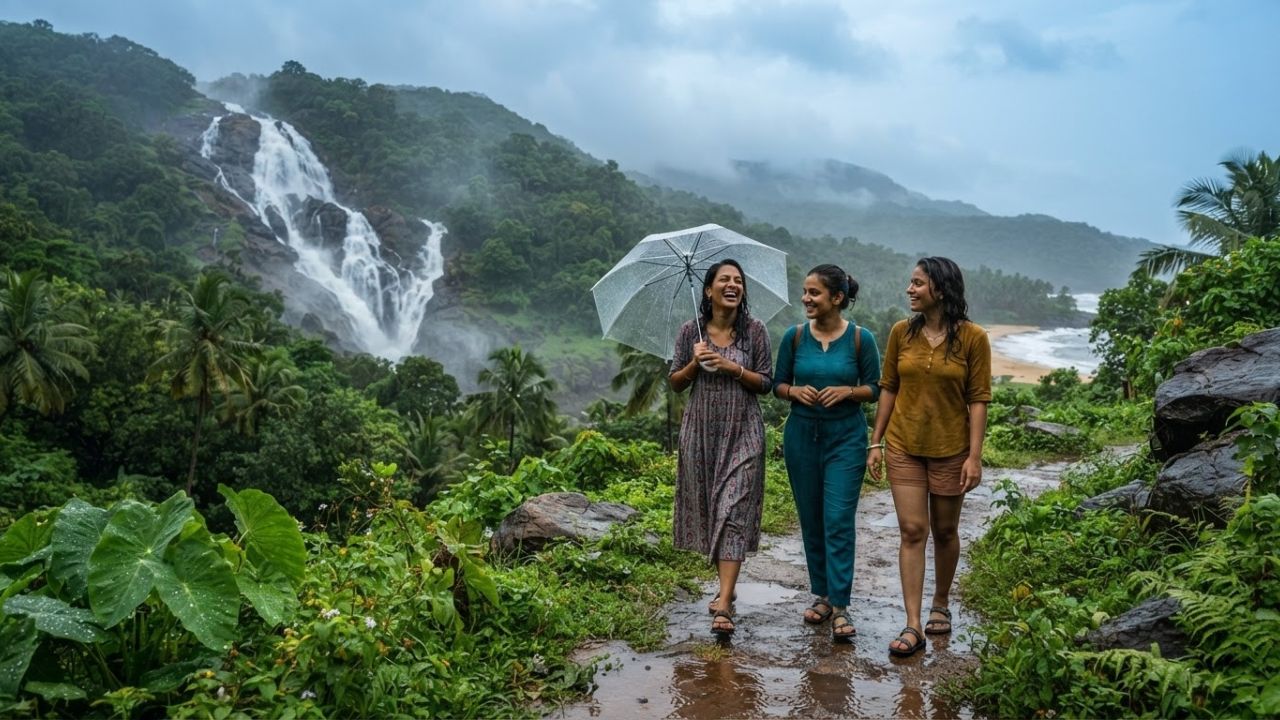
Image generated by AI
The onset of seasonal rains across Goa transforms the coastal state into a green sanctuary, prompting travelers to shift their focus from packed sandy beaches to tranquil countryside routes, roaring waterfalls, and rich heritage experiences.
Rediscovering Goa's Hinterland Beyond the Shoreline
While beach holidays dominate summer travel, the monsoon season introduces a slower, more deliberate pace of exploration. Sustained rainfall refreshes coconut groves, spice plantations, and rice paddies, replacing dry summer heat with a cooler, comfortable climate. According to the Goa Tourism Development Corporation (GTDC), this seasonal transition highlights the state's potential for sustainable tourism and inland adventures.
Rural roads provide scenic drives through traditional Goan villages and mist-covered hills. With lower temperatures and overcast skies, outdoor sightseeing is far more comfortable than during the humid summer months. Travelers can enjoy nature walks and photography, discovering a side of the region that is often overlooked during the busy peak season.
This shift toward green travel caters to families, couples, and eco-tourists seeking a quiet getaway. By exploring inland villages, visitors can enjoy Goan hospitality in a relaxed, less commercialized setting.
Cascading Waterfalls and Safety Guidelines
The heavy rain revitalizes the state's rivers and streams, bringing inland waterfalls to their most impressive states. The most famous of these is Dudhsagar Falls, located on the Goa-Karnataka border within the Bhagwan Mahavir Wildlife Sanctuary. Here, roaring water cascades down rocky cliffs, creating a dramatic sight surrounded by dense forest.
Other scenic points, including Harvalem Falls and Tambdi Surla Falls, also become major destinations for nature enthusiasts and photographers. These forest areas see increased water flow, which requires careful attention to safety instructions. The local forest department monitors these areas to balance visitor access with ecological conservation.
Travelers must follow safety warnings and avoid entering fast-flowing streams during heavy downpours. Sticking to designated viewpoints and hiring local registered guides ensures a safe experience while supporting the local economy.
Coastal Walks and Heritage Explorations
Beach travel changes significantly during the rainy season. Rough seas and strong undercurrents make swimming and water sports unsafe, leading authorities to place red warning flags along the shoreline. However, the beaches remain popular for quiet walks, sunset viewing, and photographing dramatic cloud formations.
The cooler weather is also ideal for visiting historic forts and heritage sites. Stone structures, such as the historic Cabo de Rama Fort, look refreshed under the rain, offering excellent photo opportunities. Historic sites like the churches of Old Goa and the colorful Latin Quarter of Fontainhas in Panaji are best explored at this slower, more comfortable pace.
Monsoon also highlights traditional Goan celebrations, including the Sao Joao festival in June and the Sangodd festival in September. These community events feature music, local delicacies, and decorated boats, allowing visitors to experience the authentic cultural identity of the region.
Ecotourism and Wildlife Reserves
For green travel enthusiasts, the monsoon is the best time to explore Goan forests and wildlife sanctuaries. The increased rainfall supports diverse plant and animal life, making it a great period for bird watching and hiking. Protected zones like the Cotigao and Mhadei sanctuaries offer quiet trails through rich ecosystems.
Spice farms in the Ponda area also provide guided tours, showcasing how local farmers grow pepper, cardamom, and nutmeg using sustainable methods. Visitors can sample traditional Goan meals made with ingredients harvested directly from the plantation.
Choosing these inland activities directly supports rural economies and helps preserve fragile habitats. Staying in eco-lodges and using local services ensures that tourism benefits the communities responsible for protecting these natural areas.
Goa Monsoon Travel Specifications
| Monsoon Travel Aspect | Details & Recommendation |
|---|---|
| Primary Waterfalls | Dudhsagar Falls (Goa-Karnataka border), Harvalem Falls, Tambdi Surla Falls |
| Beach Activities | Walking, sunset viewing, photography (swimming and water sports suspended due to rough seas) |
| Hinterland & Ecotourism | Cotigao Wildlife Sanctuary, Mhadei Wildlife Sanctuary, spice farms in Ponda |
| Key Festivals | Sao Joao (June), Sangodd (September) |
| Sightseeing & Heritage | Fontainhas Latin Quarter, Cabo de Rama Fort, churches of Old Goa |
| Transport Method | Car rental or local taxi services for flexible countryside road trips |
Strategic Takeaways for Monsoon Travelers
- Water Safety: Avoid swimming or water sports on all beaches, as sea conditions remain rough with strong undercurrents throughout the season.
- Inland Attractions: Visit Dudhsagar and other waterfalls for spectacular views, but verify trail access and safety status before setting out.
- Cultural Immersion: Take advantage of the low-season crowds to explore heritage architecture in Fontainhas and attend traditional Goan festivals.
- Sustainable Travel: Support the local economy by hiring registered village guides and dining at eco-friendly spice farms.
Frequently Asked Questions: Goa Monsoon Travel
Is it safe to swim in the sea in Goa during the monsoon?
No, swimming and water sports are suspended due to rough seas and strong currents. Always respect the red flags set up by lifeguards along the beaches.
What are the best waterfalls to visit in Goa during the rainy season?
Dudhsagar Falls on the Goa-Karnataka border is the most famous, while Harvalem Falls and Tambdi Surla Falls also offer impressive views and dense forest surroundings.
How does monsoon travel benefit local communities?
Visiting inland spice farms, hiring local guides, and exploring rural heritage sites helps distribute tourism revenue to communities that do not benefit from summer beach tourism.
Related Travel Guides
Disclaimer
This article is for informational and educational purposes only. It does not constitute legal, financial, or professional advice. While we strive to provide accurate and up-to-date information, travel policies, regulations, and conditions change rapidly. Always verify information with official sources before making travel decisions. Nomad Lawyer makes no representations about the accuracy, reliability, completeness, or suitability of the information provided. Readers should consult qualified professionals for advice specific to their circumstances. The views expressed in this article are those of the author and do not necessarily reflect the views of Nomad Lawyer.
Kunal K Choudhary
Co-Founder & Contributor
A passionate traveller and tech enthusiast. Kunal contributes to the vision and growth of Nomad Lawyer, bringing fresh perspectives and driving the community forward.
Learn more about our team →