Germany Issues 2026 Travel Advisory for Czech Republic: Border Controls and Prague Scam Alerts

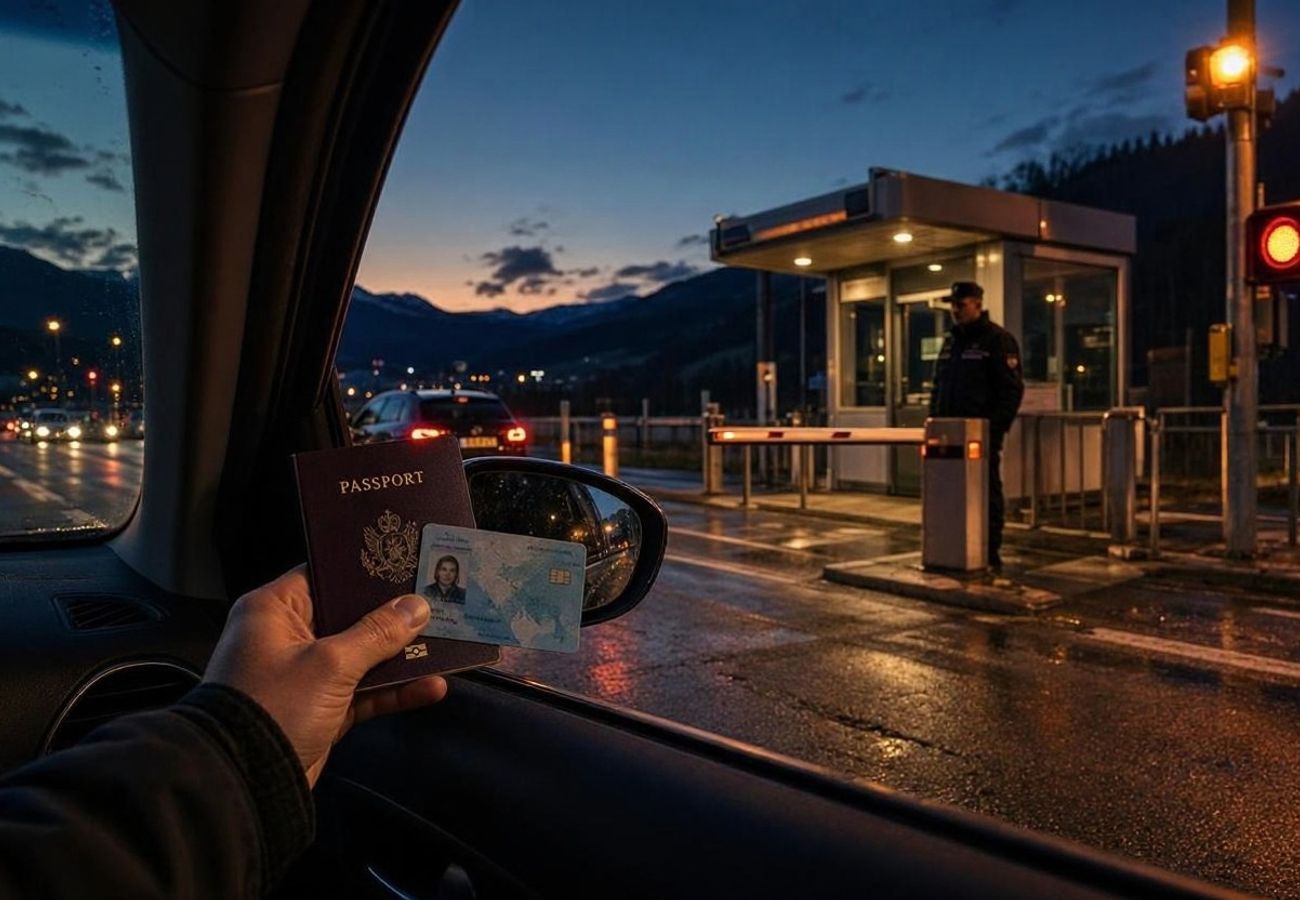
Image generated by AI
Even infants are legally required to present a valid photo identification document when checking into any hotel or hostel in the Czech Republic. This strict mandate is part of a broader tightening of administrative requirements that current visitors from Germany and other Schengen nations must navigate to avoid legal penalties.
The Shift in Schengen Fluidity
While the Czech Republic remains a top destination for German city-breakers, the illusion of a borderless journey is currently fading. The German Federal Foreign Office has issued an updated advisory warning that the seamless passage typically associated with the Schengen Area is being interrupted by temporary internal land border controls.
Authorities are actively inspecting travelers entering and exiting the country, and the rules governing customs and entry can shift without prior notice to Berlin. Travelers are urged to consult the Federal Foreign Office or the Czech embassy to confirm legally binding requirements before departure. Furthermore, those returning to Germany should coordinate with German Customs (Zoll) regarding any goods brought across the border.
Navigating Entry and Residency Laws
The Czech Republic maintains a rigid stance on identification. Every visitor must carry an official travel document that remains valid through the end of their planned stay. This applies not only to the border crossing but to every commercial accommodation check-in.
For those avoiding hotels—such as those staying in private rentals, Airbnbs, or with friends—the rules are even more stringent. Foreign nationals staying in private accommodations must register their residence with the local Czech immigration police within 30 days of entry.
Required Documentation for Entry and Stay
| Document Type | Accepted? | Key Conditions & Validity |
|---|---|---|
| Standard Passport | Yes | Valid until end of stay |
| Temporary Passport | Yes | Valid until end of stay |
| National ID Card (Personalausweis) | Yes | Valid until end of stay |
| Temporary ID Card | Yes | Valid until end of stay |
| Child Passport (Kinderreisepass) | Yes | Valid photo ID required for all infants |
Urban Vigilance: The Prague Survival Guide
Petty crime is a persistent reality in Prague's high-traffic zones. Pickpocketing and vehicle break-ins are common in crowded squares, on historic bridges, and at transit hubs like the main railway stations and metro lines.
To mitigate risk, locals and seasoned expats suggest leaving high-value jewelry at home and relying on cashless payments. Carrying more than a single day's worth of cash is discouraged. For those driving, street parking is a gamble; the advisory recommends locked garages or guarded hotel lots. If street parking is the only option, use a visible steering wheel lock and ensure no bags or electronics are left in sight.
Common Scams and Nightlife Risks
Beyond opportunistic theft, organized fraud is prevalent in the capital. Three specific traps dominate the tourist experience:
- The Taxi Trap: Unlicensed cabs frequent train stations and nightlife districts. These drivers often ignore meters or charge exorbitant rates. Always use pre-booked radio taxis or official dispatch apps.
- The Currency Shuffle: Avoid street-level money changers offering "great rates." These often result in counterfeit bills or outdated currency. Similarly, ignore strangers at ATMs offering to break large bills into smaller denominations—this is a classic sleight-of-hand theft.
- The Nightlife Sting: In some bars and clubs, tourists face inflated bills or, more seriously, drink spiking leading to robbery or assault. Never leave a drink unattended and always verify menu prices before ordering.
Digital Fraud and Impersonation
The fraud extends to the digital realm. Fake holiday apartment listings often demand upfront deposits via wire transfer for properties that do not exist. Always verify landlords through trusted platforms and avoid sending money before a physical viewing.
More concerning are reports of criminals posing as police officers to demand immediate cash fines. Genuine Czech law enforcement officers always wear a visible metal service number badge on their uniform, typically on the shirt pocket. They are only authorized to verify identity, conduct pat-downs, or issue official written receipts for fines.
Emergency Support and Reporting
If you are a victim of a crime, prompt reporting is essential for insurance and police records. While any station can take a report, language barriers can cause significant delays. For those in Prague, the Tourist Police Station is a critical resource.
Emergency Contact Matrix
| Resource | Contact / Location | Support |
|---|---|---|
| Czech National Police | Dial 158 | 24/7 Nationwide dispatch |
| European Emergency Line | Dial 112 | 24/7 Multilingual coordination |
| Prague 1 Tourist Police | Jungmannovo náměstí 771/9 | 24/7 English & German speaking officers |
For more information on regional safety and heritage sites, visit the UNESCO World Heritage Centre to plan your visits to protected landmarks safely.
FAQ: Visiting the Czech Republic 2026
Do I need a passport for the Czech Republic? Yes, or a valid National Identity Card. All travelers, including infants, must have valid photo ID for border crossings and hotel check-ins.
Is Prague safe for solo travelers? Generally yes, but be vigilant in tourist hubs. Avoid unlicensed taxis and street currency exchanges, and keep valuables secure in crowded areas.
What should I do if I am scammed? Contact the European emergency line (112) or visit the Prague 1 Tourist Police Station for English and German speaking assistance.
How do I handle private accommodation registration? If not staying in a hotel, you must register your residence with the local Czech immigration police within 30 days of arrival.
Stay alert, keep your documents secure, and trust only official transport.
Related Travel Guides
This article is for informational purposes. Flight routes, passenger regulations, visa rules, and transit advisories are subject to change by airlines and aviation authorities. Readers are advised to verify schedules and travel documentation with relevant carriers and border agencies before departure.
Related Stories

US East Coast Weather Alert: Potential Tropical Storm Kyle Impacts Travel from Georgia to New England 2026

Texas Road Transit Efficiency 2026: Traffic Delays Drop 11% Despite Rising Vehicle Demand