
US Strikes on Bandar Abbas and Chabahar Trigger Gulf Travel Alerts Across Qatar UAE Oman and Bahrain in 2026
US airstrikes in southern Iran targeting Bandar Abbas and Chabahar have escalated security risks in the Strait of Hormuz, threatening international flight corridors and tourism across the Gulf region.

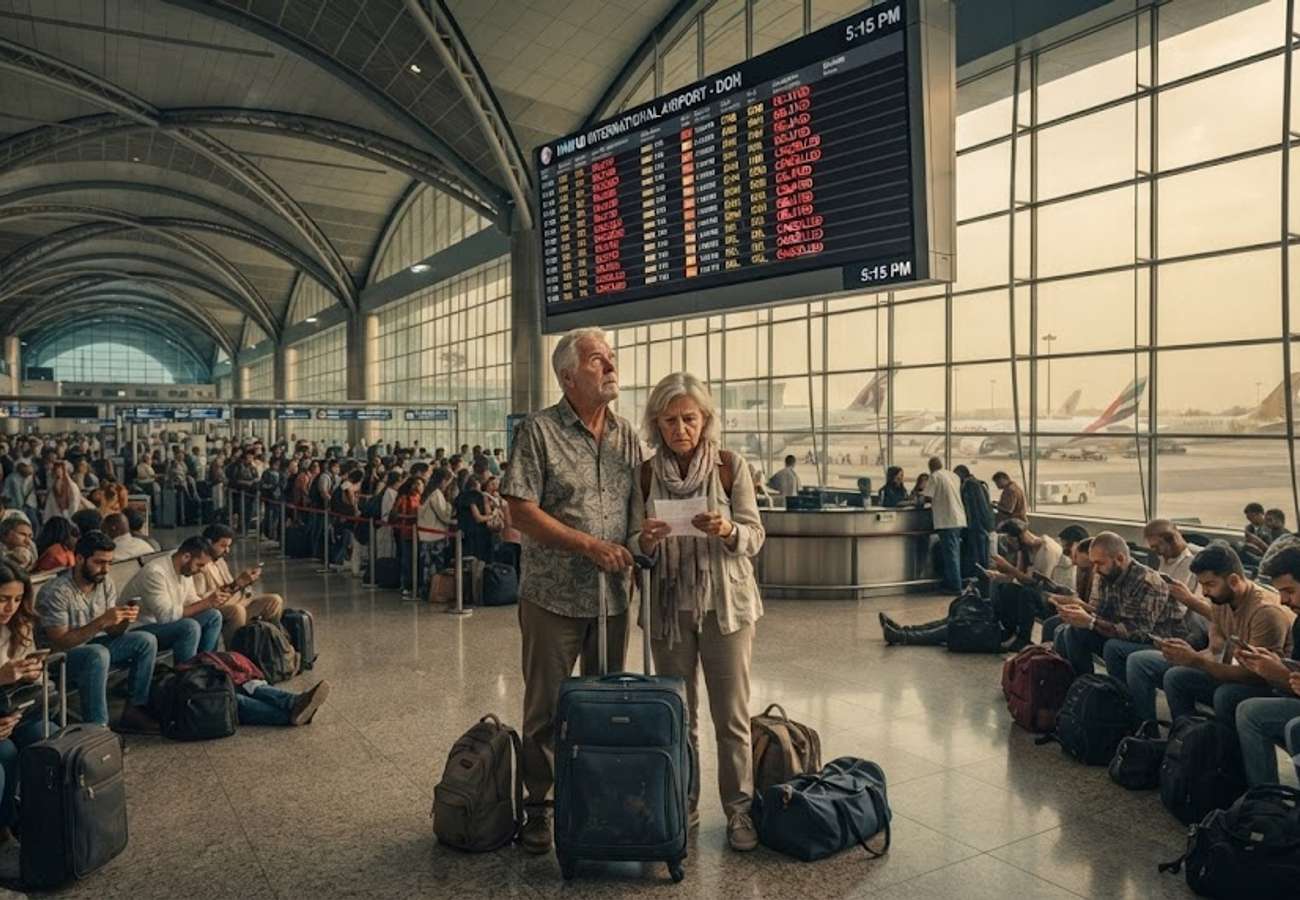
Image generated by AI
US military actions in southern Iran have triggered a high-level travel alert for the Gulf region, as airstrikes on strategic coastal hubs threaten the stability of one of the world's most congested aviation and maritime corridors.
The 2026 Gulf Travel Warning has been updated following US airstrikes targeting southern Iranian cities and provinces. The operations specifically hit Bandar Abbas, Qeshm Island, Chabahar, and the Hormozgan province, as well as areas within Bushehr. Because these locations are adjacent to the Strait of Hormuz, the escalation poses a direct risk to international flight paths and maritime logistics connecting Asia, Europe, and Africa.
While primary international airports in the Gulf continue to operate, the geopolitical volatility is forcing airlines to evaluate airspace safety and operational costs. The proximity of these strikes to critical transit arteries means that any further escalation could lead to immediate rerouting of commercial flights.
Strategic Impact Zones and Regional Risk Assessment
The strikes targeted locations with immense strategic value to Iranian maritime and transport infrastructure. The disruption of these nodes creates a ripple effect across the neighboring states of Qatar, the UAE, Oman, and Bahrain.
| Region/City | Strategic Role | Potential Travel & Logistics Impact |
|---|---|---|
| Bandar Abbas | Major Iranian port near Strait of Hormuz | High risk of airspace restrictions and maritime delays |
| Qeshm Island | Strategic Gulf island outpost | Increased military presence affecting local transit |
| Chabahar | Key southeastern maritime hub | Disruptions to regional shipping and coastal logistics |
| Hormozgan | Coastal infrastructure province | Potential for localized aviation corridor closures |
| Bushehr | Southern coastal energy/transport hub | Increased security screenings and regional volatility |
Regional Tourism and Connectivity Analysis
The Gulf region serves as the primary connecting tissue for global travel. The current instability in the Strait of Hormuz—a narrow waterway between Iran and Oman—threatens more than just regional security; it impacts the global economics of travel.
Aviation and Fuel Logistics The Strait of Hormuz is a primary energy route. Any prolonged conflict here typically leads to a spike in global fuel prices. For the traveler, this manifests as "fuel surcharges" and increased ticket prices for long-haul flights. Furthermore, if airlines are forced to bypass Iranian or nearby airspace, flight durations will increase, leading to higher crew costs and fuel consumption.
National Impact Summary
- Qatar: As a global aviation hub, Hamad International Airport remains a critical node, but passengers are increasingly monitoring regional security for potential reroutes.
- United Arab Emirates: The UAE's massive tourism infrastructure is sensitive to regional perception; instability may lead to a decline in luxury tourism and business travel.
- Oman: Due to its direct border with the Strait of Hormuz, Oman faces the highest risk regarding maritime and cruise itinerary disruptions.
- Bahrain: Regional connectivity and tourism sentiment are expected to fluctuate based on the escalation levels in southern Iran.
Traveler Logistics Guide: Navigating the Gulf Crisis
For passengers currently booked or planning transit through the Middle East, the following logistics protocols are recommended to mitigate risk and financial loss.
1. Flight Monitoring and Booking Strategy Avoid non-refundable tickets. During periods of geopolitical instability, airlines may change schedules with little notice. Opt for "Flexible" or "Semi-Flexible" fares that allow for date changes without heavy penalties. Monitor the NOTAMs (Notices to Air Missions) via official aviation authorities if you are tracking specific flight paths.
2. Transit and Connection Management If connecting through Doha (DOH) or Dubai (DXB), allow for an additional 3–4 hours of buffer time. Increased security screenings and potential flight rerouting can lead to cascading delays. Ensure your transit visa requirements are updated, as some regional policies may shift during security alerts.
3. Insurance and Documentation Verify that your travel insurance includes "Political Evacuation" or "Trip Interruption" clauses. Many standard policies exclude "Acts of War" or "Governmental Action." Ensure your policy specifically covers regional instability in the Middle East to avoid out-of-pocket expenses during a forced reroute.
4. Digital Transit Compliance Keep digital copies of all travel documents. In the event of sudden airport closures or rerouting to alternative hubs, having a cloud-based backup of your passport, visa, and vaccination records is essential for rapid processing through customs in secondary airports.
Infrastructure Impact Assessment
The long-term impact of these strikes on regional connectivity is significant. The Gulf states have invested billions into becoming the world's preferred stopover destinations. A prolonged crisis in the Strait of Hormuz undermines the "stability premium" that the UAE and Qatar have cultivated.
If aviation corridors are permanently shifted or if insurance premiums for aircraft operating in the Gulf rise, the cost of connecting Asia to Europe will increase. This could lead to a gradual shift in transit traffic toward alternative hubs in Central Asia or East Africa, potentially altering the economic trajectory of Gulf tourism for the remainder of 2026.
Stay vigilant and prioritize official government travel advisories over unofficial reports.
Related Travel Guides
Disclaimer
This article is for informational and educational purposes only. It does not constitute legal, financial, or professional advice. While we strive to provide accurate and up-to-date information, travel policies, regulations, and conditions change rapidly. Always verify information with official sources before making travel decisions. Nomad Lawyer makes no representations about the accuracy, reliability, completeness, or suitability of the information provided. Readers should consult qualified professionals for advice specific to their circumstances. The views expressed in this article are those of the author and do not necessarily reflect the views of Nomad Lawyer.
Kunal K Choudhary
Co-Founder & Contributor
A passionate traveller and tech enthusiast. Kunal contributes to the vision and growth of Nomad Lawyer, bringing fresh perspectives and driving the community forward.
Learn more about our team →