
Gothenburg Christmas Tourism 2026: Sweden's Festive Julmys Expands European Rail, Ferry, and Flight Connections
Sweden's Gothenburg emerges as a major European Christmas hub in 2026, seeing double-digit winter arrival surges from Norway, Denmark, and the UK via train, ferry, and air.

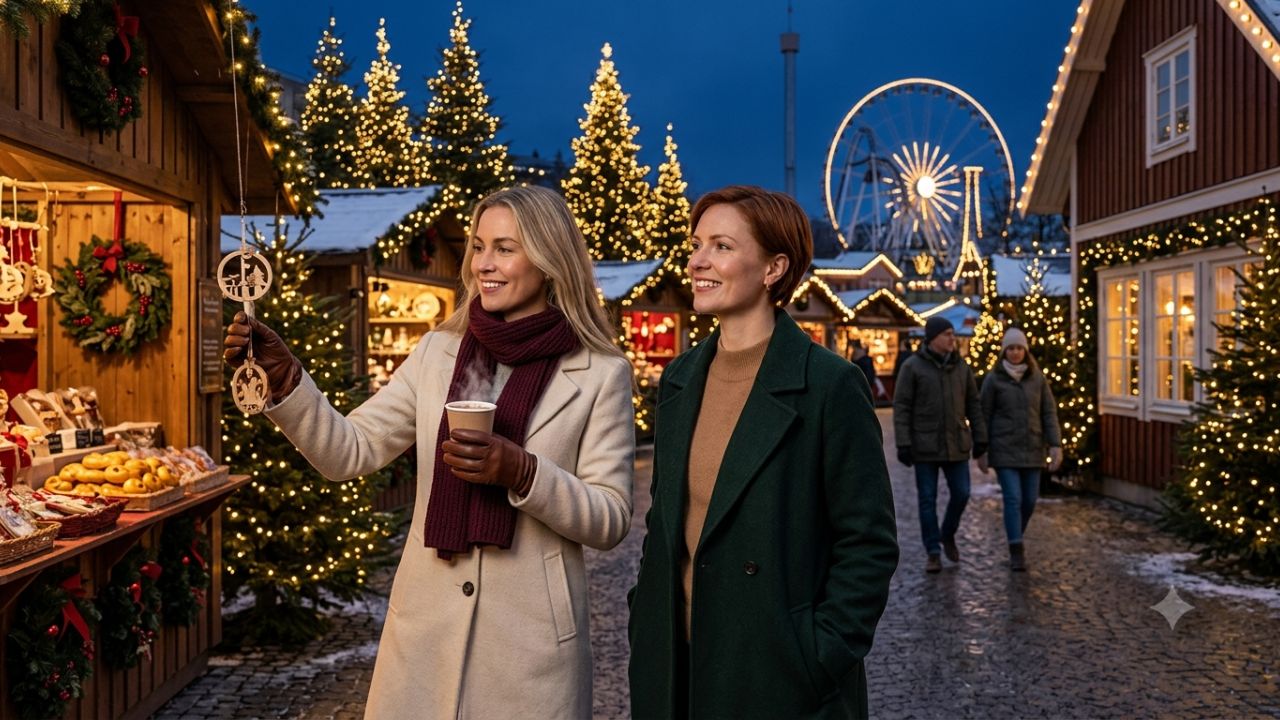
Gothenburg's winter tourism surges in 2026 as cross-border rail, ferry, and air corridors connect travelers to traditional Julmys celebrations and Liseberg Christmas markets.
Sweden's west coast maritime capital is solidifying its status as Northern Europe's leading winter festive destination in 2026, as travelers from across Scandinavia and the continent embrace authentic Swedish Julmys traditions supported by extensive cross-border rail, ferry, and aviation links. Municipal destination data from Göteborg & Co underscores an unprecedented winter influx, with December overnight stays from neighboring Norway and Denmark surging by 56% and 48% respectively, alongside a 38% rise from the United Kingdom. By combining the vast illuminations of Liseberg amusement park, historic canal boat excursions, and choral Saint Lucia processions with accessible transport networks, Gothenburg is redefining winter city tourism across Scandinavia.
The seasonal surge reflects a broader shift in European travel preferences toward authentic, off-peak cultural experiences that avoid the congestion of traditional Central European holiday markets. Nationwide data from Visit Sweden reveals a 58% increase in American guest nights compared to pre-2020 benchmarks, paired with a 64.6% expansion in international arrivals traveling outside the conventional summer peak. Within this expanding winter footprint, the West Sweden region has solidified its position as Sweden's second-most visited destination after Stockholm, serving as a prime showcase for how seasonal cultural programming and multi-modal transit infrastructure can counteract winter travel seasonality.
Nordic and European Inbound Surge: 2026 Winter Tourism Benchmarks
Gothenburg's winter appeal is grounded in strong, recurring visitor flows from proximate Nordic neighbors and key Western European source markets. The combination of favorable currency dynamics, reliable intercity rail, and seasonal direct flights has fueled double-digit growth across several international corridors.
                  ┌──────────────────────────────────────────────┐
                  │      Gothenburg December Inbound Growth      │
                  └──────────────────────┬───────────────────────┘
                                         │
         ┌───────────────────────────────┼───────────────────────────────┐
         ▼                               ▼                               ▼
┌──────────────────┐           ┌──────────────────┐           ┌──────────────────┐
│  Norway: +56%    │           │  Denmark: +48%   │           │   UK: +38%       │
│ • Direct Vy Rail │           │ • Öresundståg    │           │ • Direct Flights │
│ • <4hr Transit   │           │ • Stena Line Sea │           │ • 25min Transfer │
│ • Weekend Breaks │           │ • Dual Access    │           │ • Short Breaks   │
└──────────────────┘           └──────────────────┘           └──────────────────┘
The expansion of December travel demonstrates that festive city breaks are evolving from brief domestic shopping trips into multi-day cross-border holidays. The UK market has expanded rapidly as travelers seek atmospheric Nordic alternatives to crowded continental squares, while German visitation has risen steadily via Baltic and Kattegat maritime links.
| Source Market | December Growth Indicator | Primary Transport Mode | Typical Dwell Time | Primary Festive Draws |
|---|---|---|---|---|
| Norway | +56% overnight stays | Direct intercity rail (Vy) | 2–3 nights (Weekend) | Liseberg market, Haga shopping, julbord dining |
| Denmark | +48% visitation increase | Rail (Öresundståg) & Stena Ferry | 2–4 nights (Multi-city) | Waterfront light trails, Christmas fika, canal cruises |
| United Kingdom | +38% overnight stays | Direct air to Landvetter (GOT) | 3 nights (Extended break) | Liseberg illuminations, craft markets, boutique design |
| Germany | +8% overnight stays | Overnight ferry (Kiel) & rail | 3–5 nights | Maritime heritage, West Coast seafood, winter culture |
| United States | +58% guest nights (vs 2019) | Connecting air via Europe | 4–6 nights (Regional) | Lucia choral services, culinary julbord, West Sweden coast |
Cross-Border Transit Corridors: How Europe Connects to Gothenburg
A defining competitive advantage for Gothenburg is its seamless multimodal integration. Unlike remote Arctic winter hubs requiring multi-leg flights, Gothenburg connects directly to major European capitals through sustainable ground, maritime, and air corridors.
                    ┌───────────────────────────────────────────┐
                    │      Gothenburg Multimodal Gateways       │
                    └─────────────────────┬─────────────────────┘
                                          │
         ┌────────────────────────────────┼────────────────────────────────┐
         ▼                                ▼                                ▼
┌──────────────────┐            ┌──────────────────┐            ┌──────────────────┐
│  Rail Gateways   │            │  Ferry Gateways  │            │  Aviation Hubs   │
│ • Oslo (Vy Rail) │            │ • Frederikshavn  │            │ • London, Manch. │
│   <4 Hours       │              (Stena Line)     │              Edinburgh        │
│ • Copenhagen     │            │ • Kiel Overnight │            │ • Amsterdam      │
│   Öresundståg    │              Cruise-Ferry     │            │ • Landvetter GOT │
│   3.5 Hours      │            │ Masthuggskajen   │              25-Min Shuttle   │
└──────────────────┘            └──────────────────┘            └──────────────────┘
Direct Rail Links from Norway and Denmark
For Norwegian visitors, the four-hour rail corridor from Oslo Central Station operated by Vy offers a sustainable, stress-free transit route. Arriving directly into Gothenburg Central Station (Centralen), passengers can step onto the city's extensive electric tram network managed by Västtrafik, reaching historical quarters like Haga or the entrance of Liseberg within minutes.
Danish travelers benefit from dual access routes. From Copenhagen Central Station, regional Öresundståg trains cross the engineering marvel of the Öresund Bridge, journeying along Sweden's picturesque west coast to Gothenburg in approximately three and a half hours. Alternatively, travelers originating in northern Denmark can board Stena Line ferries from Frederikshavn to cross the Kattegat sea directly into Gothenburg's harbor at Masthuggskajen, providing a scenic maritime gateway.
Maritime Connections: The Overnight Cruise Route from Germany
German travelers frequently choose the direct Stena Line overnight cruise-ferry connecting Kiel to Gothenburg. Departing northern Germany in the evening, passengers enjoy onboard Scandinavian dining and private cabins, waking up as the vessel navigates the granite islets of the Gothenburg archipelago. This maritime route allows travelers to bring vehicles or travel as foot passengers, bypassing airport security queues while integrating transport directly into the holiday experience.
Aviation Gateways from the UK and the Netherlands
Air travelers from the UK enjoy extensive direct connectivity into Gothenburg Landvetter Airport (GOT) from London Heathrow, London Gatwick, London Stansted, Manchester, and Edinburgh. Dutch travelers access the city via multiple daily flights from Amsterdam Schiphol or through rail itineraries threading through northern Germany and Denmark. Landvetter Airport is situated just 20 kilometers from the city center, with dedicated Flygbussarna airport coaches completing the transfer to Nils Ericson Terminal in 25 to 30 minutes.
The Essence of Swedish Julmys: Festive Attractions and Culture in 2026
Gothenburg's winter appeal is anchored in the cultural ethos of Julmys—a cherished Swedish concept that encapsulates festive warmth, conviviality, candlelight, and relaxation away from commercial stress. Throughout late November and December, the city translates this philosophy into a series of open-air markets, illuminated public spaces, and seasonal culinary rituals.
                   ┌─────────────────────────────────────────────┐
                   │    Gothenburg Festive Calendar Highlights   │
                   └──────────────────────┬──────────────────────┘
                                          │
         ┌────────────────────────────────┼────────────────────────────────┐
         ▼                                ▼                                ▼
┌──────────────────┐            ┌──────────────────┐            ┌──────────────────┐
│ Christmas at     │            │ Seasonal Paddan  │            │ Saint Lucia &    │
│ Liseberg         │            │ Canal Tours      │            │ Gastronomic Fika │
│ • 5M Fairy Lights│            │ • Covered Moat   │            │ • Karlatornet &  │
│ • Ice Rinks      │              Cruises          │              Cathedral Choirs │
│ • Artisan Stalls │            │ • Glögg & Ginger │            │ • Giant Buns in  │
│ • Opens Nov 14   │              Starts Nov 27    │              Haga District    │
└──────────────────┘            └──────────────────┘            └──────────────────┘
Christmas at Liseberg: Scandinavia's Premier Holiday Park
Liseberg transforms each November into Sweden's largest Christmas market, illuminated by more than five million sparkling fairy lights. The park features dedicated thematic zones, including a traditional 19th-century Swedish Christmas quarter, a bustling artisan craft market, an open-air ice skating rink, and Santa's winter village. In addition to seasonal stalls selling hand-poured candles, woolens, and smoked delicacies, select roller coasters and family rides remain operational, weather permitting, throughout the festive run.
Julpaddan: Festive Sightseeing Along Historic Canals
A signature Gothenburg tradition is the Julpaddan canal tour. Departing from Kungsportsplatsen, these seasonal glass-topped canal boats navigate the city's 17th-century moats and harbor waterways. Passengers wrapped in wool blankets are served warm glögg (spiced mulled wine) and pepparkakor (crisp gingerbread cookies) while tour guides share tales of maritime history beneath low-clearance bridges and illuminated riverside promenades.
Saint Lucia Celebrations and Musical Processions
The celebration of Saint Lucia on 13 December represents the emotional heart of the Swedish festive season. White-gowned choirs wearing wreaths of glowing candles perform traditional choral hymns in Gothenburg Cathedral and local parish churches, symbolizing light piercing the winter solstice darkness. The 2026 festive calendar also highlights innovative adaptations, including special Lucia performances at Karlatornet, Scandinavia's tallest residential tower, presenting panoramic views over the illuminated city and harbor.
The West Coast Julbord: A Seafood-Centric Culinary Feast
While traditional Swedish Christmas buffets (julbord) focus on meatballs, sausages, and baked ham, Gothenburg's coastal location infuses the feast with premium North Sea seafood. Served at historic venues like Dicksonska Palatset and waterfront restaurants across the harbor, a West Coast julbord showcases locally caught pickled herring, cured gravlax, cold-smoked salmon, smoked mackerel, and fresh Bohuslän prawns alongside Janssons frestelse (a creamy potato, onion, and sprat gratin).
| Attraction or Event | Location / Departure Point | 2026 Operational Window | Key Highlights |
|---|---|---|---|
| Christmas at Liseberg | Örgrytevägen 5 | Opens 14 November 2026 | 5 million fairy lights, artisan market, ice rink, family rides |
| Julpaddan Canal Cruises | Kungsportsplatsen | Operates from 27 November 2026 | Heated canal boat tours, spiced glögg, harbor light displays |
| Haga Christmas Market | Haga Nygata | Weekends from late November | Cobbled historic street, giant cinnamon buns, local crafts |
| Gunnebo House Market | Mölndal (Greater Gothenburg) | Late November weekends | 18th-century neoclassical estate, organic bakery, heritage crafts |
| Karlatornet Festive Buffet | Lindholmen | 27 November – 20 December 2026 | Panoramic skyscraper views, modern seafood julbord dining |
| Saint Lucia Choral Services | Gothenburg Cathedral & City | 12–13 December 2026 | Candlelit choral procession, classical winter hymns |
Economic Dividends of Off-Peak Winter Tourism
The strategic expansion of Gothenburg's festive tourism delivers substantial structural benefits to West Sweden's broader visitor economy. Seasonal diversification dampens the historic boom-and-bust cycle of Scandinavian summer tourism, providing year-round revenue stability for hoteliers, independent retailers, and food service operators.
- Hospitality Occupancy Stabilization: City-center hotels maintain robust occupancy levels through November and December, cushioning margins prior to the quiet post-holiday months of January and February.
- Transit and Carrier Demand: Regional rail operators (Vy, Öresundståg) and ferry lines (Stena Line) capture elevated cross-border leisure demand, maximizing asset utilization outside peak commuter periods.
- Local Retail and Artisan Support: Independent merchants in historic quarters like Haga and Magasinsgatan benefit from high-density foot traffic seeking authentic Swedish design, textiles, and artisanal foods.
- Dispersal to Regional West Sweden: Festive city breaks serve as gateways to extended regional itineraries, encouraging visitors to explore nearby fishing villages along the Bohuslän coast or historic castles in neighboring municipalities.
Practical Traveler Guide for Visiting Gothenburg in Winter 2026
To optimize a festive getaway to Gothenburg, travelers should consider the following practical logistical tips:
- Staggered Operational Dates: Festive attractions open on distinct schedules rather than a single uniform date. While Liseberg opens its holiday doors in mid-November, canal boat tours and specific palace buffets commence in late November. Always check exact attraction timetables before booking flights and hotel nights.
- Cashless Payments: Sweden operates as an almost entirely cashless society. All Christmas markets, tram ticket vending points, and street food stalls accept international contactless debit/credit cards and mobile payment systems (Apple Pay, Google Pay); carrying physical Swedish kronor (SEK) is generally unnecessary.
- Public Transit Ticketing: Download the Västtrafik To Go smartphone app upon arrival. Single tickets, 24-hour, and 72-hour passes cover all city trams, buses, and public archipelago ferries across Greater Gothenburg with seamless digital scanning.
- Winter Weather Wardrobe: Coastal Gothenburg experiences mild but damp maritime winter conditions with frequent breezes off the Kattegat. Temperatures typically hover between -2°C and 4°C (28°F to 39°F). Travelers should pack wind-resistant waterproof coats, insulated walking boots, thermal base layers, and reflective accessories for dark winter afternoons.
Frequently Asked Questions
When do the Gothenburg Christmas markets open in 2026?
Major markets operate on staggered schedules: Christmas at Liseberg opens on 14 November 2026, while the historic Haga street market and Julpaddan canal cruises begin in late November.
How do travelers get from Oslo to Gothenburg for a festive break?
Direct intercity trains operated by Vy connect Oslo Central Station to Gothenburg Central Station in under four hours, arriving directly into the city center tram network.
What is the Swedish concept of Julmys?
Julmys refers to the cozy, relaxed atmosphere associated with the Swedish Christmas season, characterized by candlelight, festive fika, gatherings with loved ones, and warm hospitality.
What special foods are served at a Gothenburg Christmas julbord?
A Gothenburg julbord emphasizes West Coast North Sea seafood, featuring diverse pickled herrings, cured gravlax, fresh prawns, and Janssons frestelse, alongside traditional baked ham and meatballs.
Related Travel Guides
Disclaimer
This article is for informational and educational purposes only. It does not constitute legal, financial, or professional advice. While we strive to provide accurate and up-to-date information, travel policies, regulations, and conditions change rapidly. Always verify information with official sources before making travel decisions. Nomad Lawyer makes no representations about the accuracy, reliability, completeness, or suitability of the information provided. Readers should consult qualified professionals for advice specific to their circumstances. The views expressed in this article are those of the author and do not necessarily reflect the views of Nomad Lawyer.
Preeti Gunjan
Contributor & Community Manager
A passionate traveller and community builder. Preeti helps grow the Nomad Lawyer community, fostering engagement and bringing the reader experience to life.
Learn more about our team →