
Germany Europe Travel Advisory Border Controls
Germany's Federal Foreign Office issues new travel warnings for Poland, France, Netherlands, Spain, and Italy, advising on border checks and security.

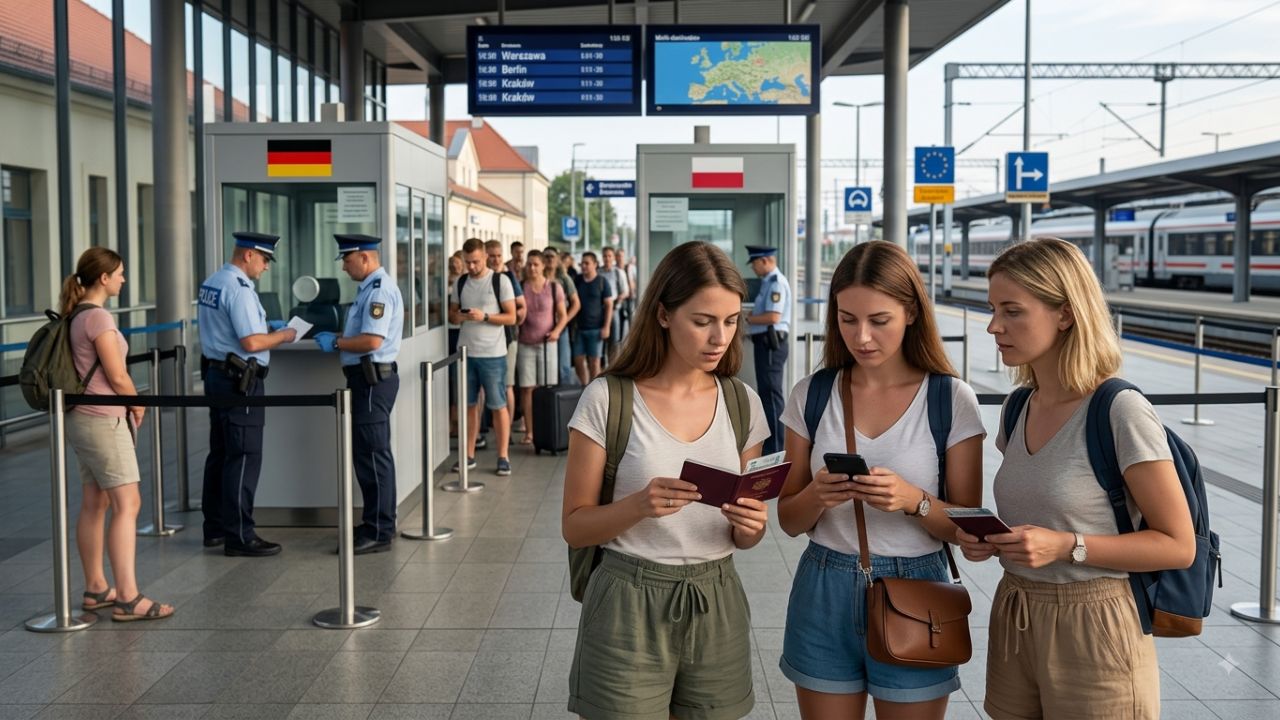
Image generated by AI
According to reports from diplomatic channels, Germany's Federal Foreign Office issued a updated travel advisory on August 15, 2026, detailing security challenges, border controls, and transit restrictions across Europe.
The advisory provides guidance for citizens visiting Poland, France, the Netherlands, Spain, and Italy, highlighting temporary border checks, transportation disruptions, and local crime risks. Rather than discouraging travel, the update aims to help visitors navigate changing security conditions by ensuring they carry valid documentation and follow local rules. Outbound travelers are advised to expect delays at Schengen borders and remain alert in busy tourist areas where petty crime and transport disruptions are common.
The updated advice reflects a broader shift toward tighter border management and security monitoring within the European Union. In Poland, ongoing checks at the German and Lithuanian borders have been in place since July 2025, while a photography ban at strategic military locations has been enforced since April 2025. In Western and Southern Europe, countries like France and the Netherlands continue to maintain high terrorism alert levels, and Italy has increased security checks near religious locations. By understanding these regional rules and remaining vigilant, travelers can reduce travel friction and ensure a safer, more predictable journey.
German Federal Foreign Office Updates Travel Rules for European Destinations
The latest European travel warnings focus on minimizing friction for passengers navigating international borders and busy transit terminals. Because local laws and border checks can change rapidly depending on the regional security situation, travelers should verify documentation requirements before departure. To help visitors compare the security measures, border situations, and transit risks across the five highlighted countries, the following table summarizes the primary points of the advisory:
| Destination Country | Primary Border & Security Measures | Key Transit Risks & Crime Targets | Local Regulations & Rules to Follow |
|---|---|---|---|
| Poland | Controls with Germany & Lithuania since July 2025 | Pickpocketing in cities, vehicle theft scams | Photography ban at strategic sites since April 2025 |
| France | Highest Vigipirate terrorism alert level active | Motorway toll email scams, public transport strikes | Military patrols in public areas, baggage checks |
| Netherlands | Substantial terrorism threat level maintained | Amsterdam tourist scams, airport pickpocketing | Avoid transporting items for unknown people |
| Spain | High terrorism alert level in crowded areas | Highway scams (fake flat tire distractions) | Stay alert on Mediterranean coastal roads |
| Italy | High security near major religious locations | Rome bus lines 40, 62, 64 pickpocketing | Avoid leaving valuables in parked motorhomes |
Poland Enforces Schengen Border Controls and Historic Site Photography Bans
Poland remains a major focus of the advisory due to ongoing border controls established in July 2025 to manage regional security. Internal border checks at the German-Polish border are applied flexibly by police forces, which can lead to traffic delays. Travelers crossing the border are required to carry a valid passport or identity card at all times. Additionally, the advisory warns against assisting unknown individuals with rides across borders, as helping illegal transit is a serious offense that can result in heavy prison sentences and fines under Polish law.
The advisory also highlights the photography ban introduced in April 2025, which prohibits taking pictures of military installations, strategic reserve depots, bridges, viaducts, tunnels, seaports, and communication infrastructure. Prohibited sites are marked with warning notices, though these signs can sometimes be difficult to spot. Breaking this rule can lead to the confiscation of photographic equipment, fines, or imprisonment. Travelers are advised to avoid taking photos of any strategic infrastructure to prevent administrative penalties.
France and the Netherlands Maintain High Security and Terrorism Alert Levels
France continues to operate under its highest security alert level under the Vigipirate system, reflecting ongoing terrorism concerns. Travelers are advised to remain vigilant in public areas, tourist hotspots, sporting events, and large gatherings. Increased security measures, including military patrols in public areas, baggage inspections at museums, and checks at airports and railway stations, have been standard since the serious attacks recorded since 2015 in Paris, Nice, Strasbourg, and Lyon.
Similarly, the Netherlands maintains a substantial terrorism threat level, indicating that an attack is a realistic possibility. Travelers should exercise caution in crowded areas, transit terminals, and public events in Amsterdam and other major cities. Petty crime, such as pickpocketing and tourist scams, remains common. The advisory also warns travelers to protect their electronic and physical travel documents, and to refuse requests to transport luggage or packages for strangers due to strict drug-enforcement laws.
Spain and Italy Focus on Transit Scams and Pickpocketing Prevention
Spain continues to maintain a high terrorism alert level following previous attacks in Barcelona and Cambrils, prompting authorities to increase security in crowded tourist zones. The advisory also warns about highway scams targeting tourists on coastal routes, where thieves stage vehicle breakdowns or flat tires to distract drivers before stealing their belongings. Travelers are advised to continue to a secure public parking space or service station before stopping to inspect their vehicles.
In Italy, authorities have increased security measures near major historical and religious landmarks due to ongoing regional concerns. Pickpocketing and petty theft are common in tourist areas, especially near public transport terminals. The advisory highlights specific risk zones, including airport train connections and bus lines 40, 62, and 64 in Rome, pedestrian areas near Piazza del Duomo in Milan, vaporetto stops in Venice, and tourist transit routes in Naples. Travelers are advised to keep their valuables secure and avoid leaving luggage inside parked vehicles.
Why This Matters (Information Gain & Experience)
For the traveler, this means that navigating Europe during this period of heightened security requires active preparation and awareness of local laws. Choosing to travel by rail using high-speed train networks like the TGV or PKP Intercity is a practical way to avoid road border queues and highway toll scams. From a logistical standpoint, travelers must carry physical passports rather than digital copies when crossing borders, as random checks are common, and check the border queues at crossings like Kaliningrad, where wait times can reach one day.
Additionally, choosing sustainable travel options and supporting local businesses directly benefits communities across Europe. Travelers can reduce their environmental footprint by using public transit, staying in locally owned eco-hotels, and dining at traditional family run establishments, such as milk bars (bar mleczny) in Poland or local trattorias in Italy. Sampling regional dishes like pierogi, fresh croissants, and cacio e pepe pasta allows you to experience authentic culinary culture while supporting independent businesses. Keeping electronic backups of travel documents, wearing bags on your front on busy bus lines like Rome's route 64, and respecting local photography rules near strategic sites ensures a safe, eco-friendly, and culturally respectful journey across Europe.
Related Travel Guides
Disclaimer
This article is for informational and educational purposes only. It does not constitute legal, financial, or professional advice. While we strive to provide accurate and up-to-date information, travel policies, regulations, and conditions change rapidly. Always verify information with official sources before making travel decisions. Nomad Lawyer makes no representations about the accuracy, reliability, completeness, or suitability of the information provided. Readers should consult qualified professionals for advice specific to their circumstances. The views expressed in this article are those of the author and do not necessarily reflect the views of Nomad Lawyer.
Raushan Kumar
Founder & Lead Developer
Full-stack developer with 11+ years of experience and a passionate traveller. Raushan built Nomad Lawyer from the ground up with a vision to create the best travel and law experience on the web.
Learn more about our team →