
Germany, Croatia, and Italy Lead Europe's 2026 Shift Toward Secondary Tourism Destinations
A quiet travel revolution is redirecting tourist flows from overcrowded hubs like Venice and Barcelona toward authentic, smaller destinations including Tübingen and Motovun to combat overtourism.

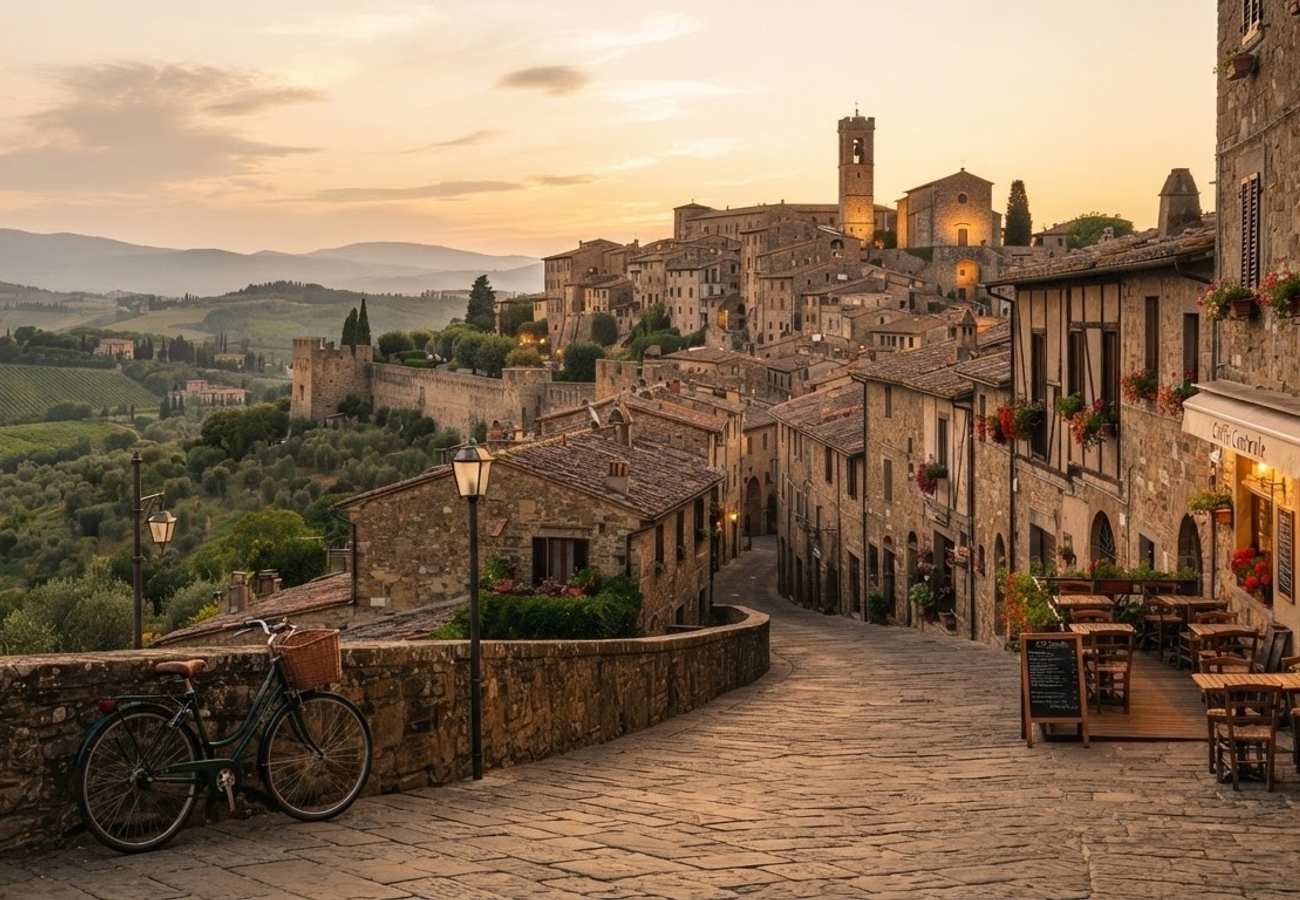
Image generated by AI
Europe is witnessing a systemic pivot in tourism patterns as travelers abandon overcrowded hubs in favor of smaller, authentic cities and towns. This shift is a direct response to the escalating pressures of overtourism, inflated pricing, and infrastructure strain in iconic capitals.
The Diversification of European Tourism
For decades, international travel concentrated on a handful of "super-destinations" including Venice, Barcelona, Dubrovnik, Santorini, Mykonos, Amsterdam, and Lisbon. While these cities remain symbolic of European culture, the sheer volume of visitors has triggered housing shortages, severe traffic congestion, and a decline in local quality of life.
In response, European governments and tourism boards are actively promoting a "hidden renaissance." By redirecting traffic to secondary locations, authorities aim to distribute economic benefits more equitably across rural and regional zones while preserving the integrity of historic landmarks.
Emerging High-Value Destinations
Our analysis of current travel trends identifies five key locations currently benefiting from this redistribution of tourism:
- Tübingen, Germany: A university city offering a slower alternative to Munich or Heidelberg. It is characterized by half-timbered architecture and traditional punting on the Neckar River.
- Motovun, Croatia: A medieval hilltop town in the Istrian Peninsula. It serves as a hub for food tourism, specifically truffles and wine, moving the focus away from the crowded Adriatic coast.
- Monsaraz, Portugal: Located in the Alentejo region, this destination combines medieval heritage with the Alqueva Dark Sky Reserve, targeting the growing stargazing and slow-travel markets.
- Fiskardo, Greece: A Venetian harbor village on Kefalonia that prioritizes high-quality, low-impact stays over the mass-market volume seen in Santorini.
- Alberobello, Italy: Famous for its UNESCO-listed Trulli houses, this town helps diversify Italian tourism beyond the traditional Rome-Florence-Venice triangle.
Regional Impact Summary
| Destination | Country | Primary Appeal | Strategic Shift |
|---|---|---|---|
| Tübingen | Germany | Medieval history, River life | Alternative to Munich/Heidelberg |
| Motovun | Croatia | Truffles, Wine, Istrian vistas | Alternative to Dubrovnik |
| Monsaraz | Portugal | Stargazing, Alentejo culture | Alternative to Lisbon/Algarve |
| Fiskardo | Greece | Venetian harbor, sailing | Alternative to Mykonos/Santorini |
| Alberobello | Italy | Trulli architecture, UNESCO site | Alternative to Rome/Florence |
Why This Matters: Industry Analysis
From a logistical and economic perspective, this movement is not merely a trend in "hidden gems" but a necessary survival strategy for the European travel industry.
For the traveler, the real impact is a shift in value. Secondary destinations typically offer shorter queues, lower accommodation costs, and more genuine interactions with local communities. The "Information Gain" here is the transition from sightseeing (checking off landmarks) to experiencing (integrating into local life).
From an industry standpoint, this redistribution reduces the "peak load" on urban transport systems and utilities in major cities. When tourism flows move to places like Monsaraz or Motovun, it creates a sustainable economic multiplier effect. Local artisans, family-owned boutique hotels, and regional farmers gain direct access to international capital without the distorting effects of hyper-inflation typically seen in "tourist traps."
Furthermore, the integration of improved regional rail networks has lowered the barrier to entry for these towns, making "slow travel" a viable logistical choice rather than a romantic ideal.
Forward Outlook
The "Quiet Revolution" is expected to accelerate through 2026. We anticipate a move toward "Quality over Quantity" metrics, where success is measured by the length of visitor stays rather than total arrival numbers.
Expect to see more targeted government subsidies for regional infrastructure in these secondary hubs. As the gap between "famous" and "hidden" destinations closes, these towns will likely implement their own sustainable capping mechanisms to avoid becoming the next victims of the very overtourism they are currently helping to solve.
The future of European travel lies not in the crowded squares of the capitals, but in the quiet streets of the periphery.
Related Travel Guides
Disclaimer
This article is for informational and educational purposes only. It does not constitute legal, financial, or professional advice. While we strive to provide accurate and up-to-date information, travel policies, regulations, and conditions change rapidly. Always verify information with official sources before making travel decisions. Nomad Lawyer makes no representations about the accuracy, reliability, completeness, or suitability of the information provided. Readers should consult qualified professionals for advice specific to their circumstances. The views expressed in this article are those of the author and do not necessarily reflect the views of Nomad Lawyer.
Kunal K Choudhary
Co-Founder & Contributor
A passionate traveller and tech enthusiast. Kunal contributes to the vision and growth of Nomad Lawyer, bringing fresh perspectives and driving the community forward.
Learn more about our team →