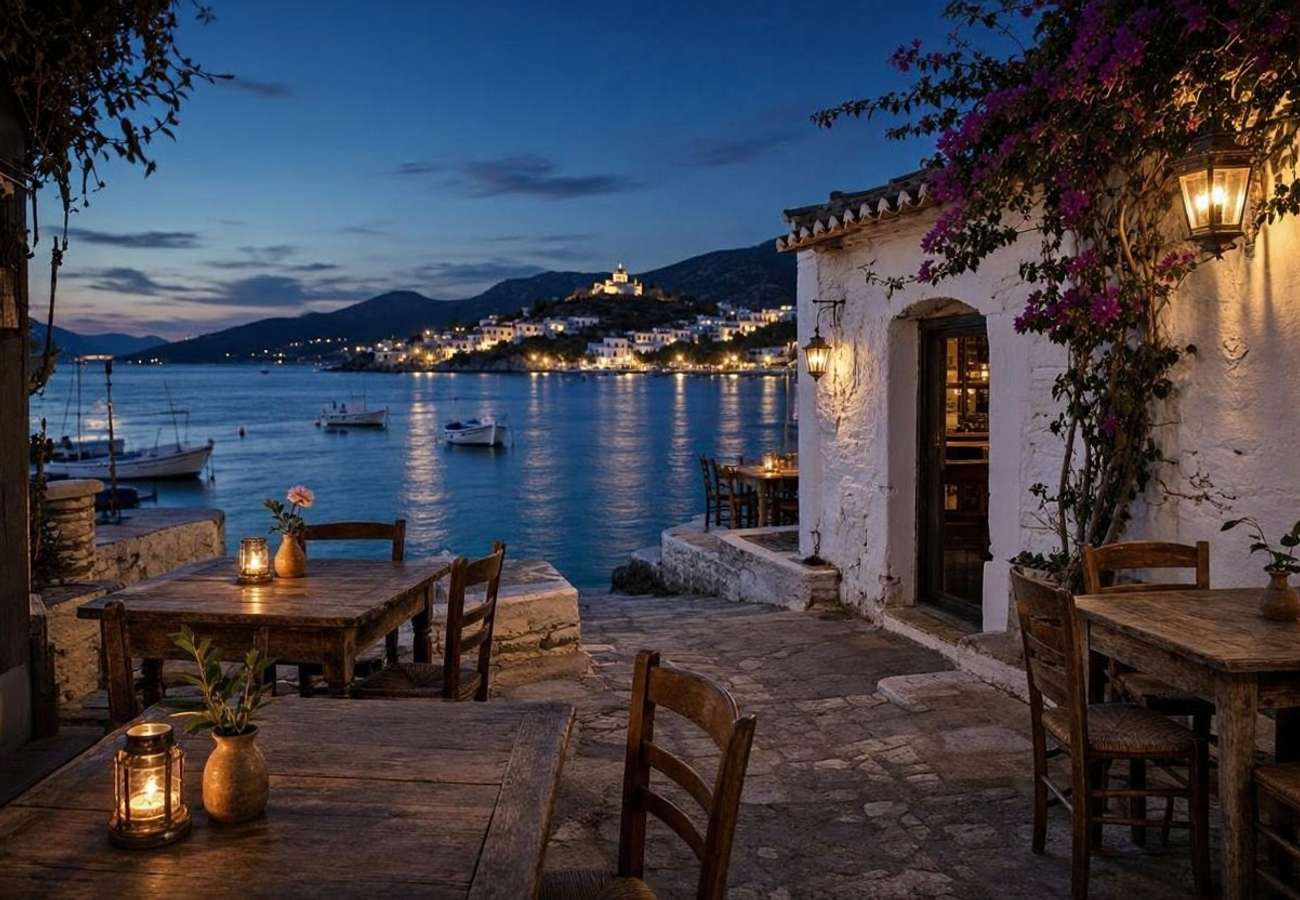
Georgia and South Carolina Lowcountry Coastal Guide 2026: Charleston, Savannah, and Sea Island Travel


Stretching from the cobblestone alleys of Charleston down to the maritime forests of Amelia Island, the Atlantic Lowcountry shelters one of North America's most ecologically distinct coastal corridors—where tidal salt marshes expand across hundreds of thousands of acres beneath canopies of Spanish moss-draped live oaks. As corporate executive retreats, cultural travelers, and international incentive groups increasingly seek authentic regional immersion, the coastal ribbon spanning Georgia and South Carolina is experiencing a major renaissance in sustainable heritage tourism and luxury destination travel.
Accelerated by Atlanta-based destination management leader Juice Studios—founded in 2004 with over two decades of regional expertise—joining the global DMC Network alongside Managing Director Aoife Delaney and Managing Partners Kris Hammett and Kris Shea, the region is expanding its international profile. Promoted through Explore Georgia and Discover South Carolina, the partnership connects global travel planners directly with authentic Lowcountry cultural programs, private historic estates, and coastal conservation reserves.
The Lowcountry Coastal Corridor: Signature Destinations and Hubs
From historic deepwater harbors to barrier island maritime sanctuaries, the Georgia-South Carolina coastal corridor provides distinct micro-regional experiences.
| Destination & Coastal Hub | State / Region | Signature Cultural & Natural Assets | Key Traveler Experiences |
|---|---|---|---|
| Charleston Historic Core | South Carolina | 18th-century architecture, French Quarter, King Street | Architectural walking tours, harbor sailing, world-class Lowcountry gastronomy |
| Savannah Historic District | Georgia | 22 historic green squares, Forsyth Park, riverfront bluffs | Canopy park strolls, historic mansion private events, literary history |
| Beaufort & Sea Islands | South Carolina | Antebellum waterfronts, Hunting Island State Park, salt marshes | Dolphin eco-cruises, historic preservation walks, quiet coastal biking |
| Golden Isles (St. Simons & Jekyll) | Georgia | Jekyll Island historic club district, Driftwood Beach | Sea turtle conservation center, salt flat kayaking, golf retreats |
| Amelia Island Gateway | Florida/Georgia border | Fernandina Beach historic Victorian seaport, maritime dunes | Horseback riding on dunes, shark-tooth shelling, coastal eco-tours |
In Charleston, travel centers around walkable historic quarters where pastel single houses, wrought-iron balconies, and gas-lit lanterns frame a celebrated culinary revolution. Independent chefs reinterpret traditional Carolina Gold rice, benne seed wafers, and Atlantic she-crab soup, marrying historic agricultural preservation with modern culinary technique.
Two hours south along US Route 17, Savannah offers one of North America's most ingeniously planned urban environments. Designed by General James Oglethorpe in 1733, the city's 22 park squares act as open-air communal living rooms shaded by massive live oaks. Visitors explore restored cotton warehouses along the Savannah River and tour historic brick mansions, experiencing Southern hospitality rooted in neighborhood preservation.
What Sets the Lowcountry Experience Apart
The defining character of the Georgia and South Carolina coast lies in its deep maritime ecology and living African-American heritage. The region forms the core of the Gullah Geechee Cultural Heritage Corridor, designated by the US Congress to recognize the unique language, cuisine, folklore, and sweetgrass basket-weaving traditions maintained by descendants of enslaved West Africans who worked coastal rice, indigo, and sea island cotton plantations.
Unlike artificial commercial beachfront developments, Lowcountry communities maintain strict historic zoning and height restrictions, preserving the human scale of historic seaports. Traveling by shallow-draft boats through winding tidal creeks reveals vast nurseries of spartina grass where Atlantic bottlenose dolphins practice rare "strand-feeding"—herding schools of fish onto muddy marsh banks.
The expansion of boutique incentive travel and corporate gatherings managed by local specialists ensures that visitor expenditures directly benefit regional preservation trusts, independent family-owned restaurants, and artisan cooperatives rather than generic multinational chains.
Visitor Insider Tips
- Explore Historic Districts on Foot or Bicycle: Both downtown Charleston and historic Savannah are exceptionally flat and walkable; rent a vintage cruiser bicycle to navigate cobblestone lanes, hidden courtyard gardens, and riverside promenades without parking stress.
- Sample Authentic Gullah Geechee Dishes in Mount Pleasant or Savannah: Seek out traditional dishes such as slow-simmered red rice, shrimp and stone-ground grits, and crispy okra fritters at Black-owned community kitchens along Highway 17.
- Time Salt Marsh Kayaking for High Tide: Launch your paddleboard or kayak in Shem Creek (Charleston) or Skidaway Island (Savannah) two hours before peak high tide to glide smoothly over marsh grass flats while watching migratory wood storks and egrets.
- Visit Coastal Barrier Islands on Spring and Autumn Weekdays: Spring (April–May) and autumn (October–November) offer balmy 75°F temperatures, fragrant magnolia blooms, and low humidity, while avoiding peak summer family crowds and Atlantic hurricane threats.
- Pre-Book Dining Reservations 4 to 6 Weeks Ahead: Charleston and Savannah represent two of America's premier culinary capitals; secure dinner tables at top farm-to-table establishments well in advance of your arrival.
Cultural and Environmental Context
The barrier islands and salt marsh estuaries of the Lowcountry represent some of the most ecologically vulnerable coastlines in North America. Rising sea levels, Atlantic hurricane storm surges, and intense coastal development place continuous pressure on fragile maritime dunes and tidal wetlands.
Tourism along the coast increasingly embraces regenerative practices. Regional destination management organizations partner with marine biologists and local land trusts to rehabilitate sea turtle nesting beaches on Jekyll Island, restore oyster reef breakwaters that prevent shoreline erosion, and fund historical interpretation centers that honor Gullah Geechee cultural legacy. By prioritizing sustainable small-group travel, visitors directly support the ecological defense and historical integrity of this singular American coastline.
FAQ: Visiting the Georgia and South Carolina Coast 2026
What is the best time of year to visit Charleston and Savannah?
March through May and October through November offer pleasant weather, mild humidity, blooming azaleas, and ideal conditions for walking tours and marsh excursions.
How far apart are Charleston and Savannah?
The drive between Charleston, South Carolina, and Savannah, Georgia, takes roughly two hours (approx. 105 miles) along US Route 17 and Interstate 95.
What airport options serve the Lowcountry coast?
Charleston International Airport (CHS) and Savannah/Hilton Head International Airport (SAV) offer robust non-stop commercial flights connecting major national airline hubs.
Do I need a rental car to explore the historic cities?
A car is unnecessary within the historic centers of Charleston or Savannah due to high walkability, though a vehicle is recommended for exploring barrier islands like Jekyll Island or Beaufort.
Related Travel Guides
This article is for informational purposes. Flight routes, passenger regulations, visa rules, and transit advisories are subject to change by airlines and aviation authorities. Readers are advised to verify schedules and travel documentation with relevant carriers and border agencies before departure.
Related Stories
Using Airline Miles and Hotel Points for Caribbean Winter Travel 2026: US Virgin Islands and Beyond

New Zealand Visa Changes Delayed to Nov 23 2026 Amid South Island Weather Warnings